In the world of automation and smart devices, proximity sensors play a crucial yet often unseen role. A proximity sensor is a non-contact sensor that detects the presence or absence of an object within a certain range without any physical contact. It achieves this by emitting an electromagnetic field or a beam of radiation, such as infrared light, and then looking for changes in the field or return signal. The primary function is to determine when an object is near, triggering a specific action in the system it controls.
The core principle behind most proximity sensors involves the use of an oscillator circuit that generates a high-frequency electromagnetic field at the sensing face. When a metallic or sometimes non-metallic target enters this field, it induces eddy currents on the surface of the object. These eddy currents absorb energy from the oscillator, causing its amplitude to decrease. This change in oscillation is detected by a threshold circuit, which then switches the sensor's output state. For inductive sensors, which detect metals, this is the standard method. Capacitive sensors work on a similar principle but can detect a wider variety of materials, including liquids and plastics, by measuring changes in capacitance.
There are several main types of proximity sensors, each suited for different applications. Inductive proximity sensors are the most common for detecting metallic objects. They are robust, reliable, and widely used in industrial automation for tasks like counting, positioning, and limit switching on assembly lines. Capacitive proximity sensors can detect both metallic and non-metallic materials, making them ideal for level detection in tanks (like liquid or granulated solids) or touch-sensitive interfaces. Ultrasonic proximity sensors use sound waves beyond human hearing to measure distance to an object; they are excellent for harsh environments where dust, moisture, or target color might interfere with optical types. Finally, photoelectric sensors use light beams (often infrared) to detect objects and are further categorized into through-beam, retro-reflective, and diffuse reflective models, offering great versatility in range and application.
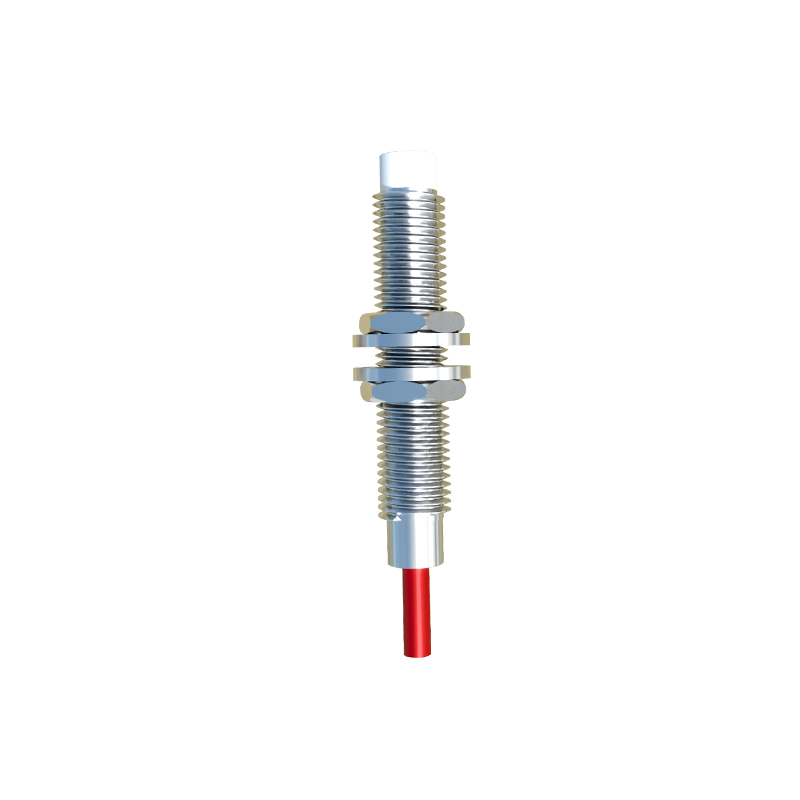
The applications of proximity sensors are vast and integral to modern technology. In consumer electronics, a simple infrared proximity sensor in your smartphone detects when the phone is held to your ear during a call, turning off the touchscreen to prevent accidental inputs. In automotive systems, they are key components of parking assist systems, alerting drivers to nearby obstacles. Industrial manufacturing relies heavily on them for precise machine automation, robotic guidance, and safety systems to protect workers. They are also found in retail for automatic doors, in aviation for landing gear status, and in home appliances like touchless faucets and soap dispensers.
Choosing the right proximity sensor depends on several factors. The nature of the target material (metal, plastic, liquid) dictates whether an inductive, capacitive, or ultrasonic sensor is needed. The required sensing distance, or range, is critical, as different technologies offer ranges from a few millimeters to several meters. Environmental conditions such as temperature, presence of dust, oil, or water (requiring specific Ingress Protection ratings), and potential electrical interference must also be considered. Finally, the output type (digital NPN/PNP, analog, or IO-Link) must be compatible with the control system, such as a PLC (Programmable Logic Controller).
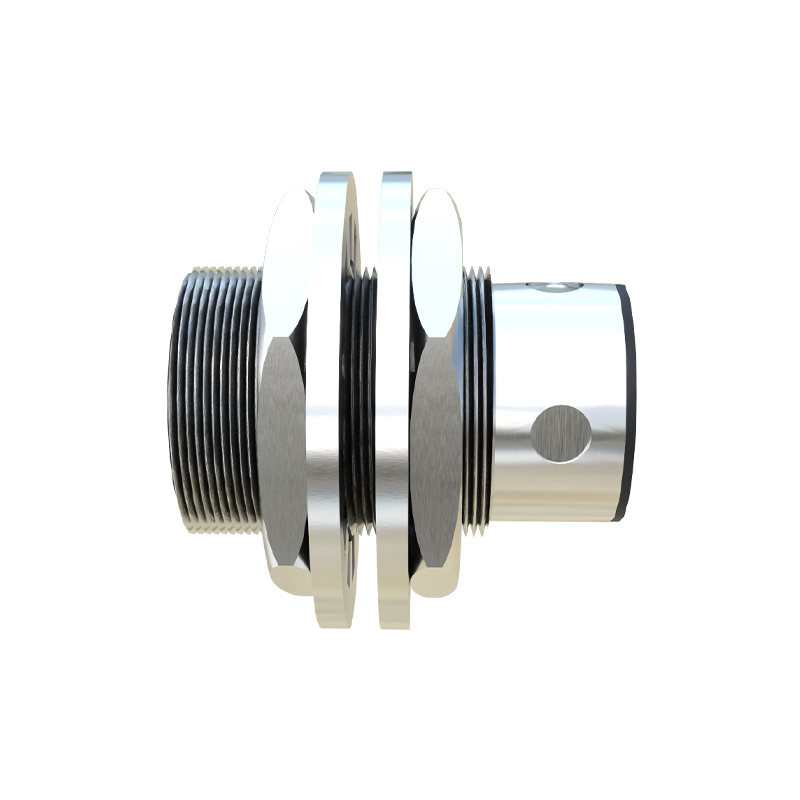
In summary, a proximity sensor is a fundamental component that enables machines and devices to "sense" their immediate environment without touch. From streamlining complex industrial processes to adding intuitive convenience to everyday gadgets, these sensors are a cornerstone of efficiency, safety, and innovation. Their ability to provide reliable, non-contact detection ensures they will remain essential as the Internet of Things and smart automation continue to evolve, making our interactions with technology more seamless and intelligent.