Short proximity sensors, also known as short-range proximity sensors, are essential components in modern automation, robotics, and safety systems. These devices detect the presence or absence of objects within a limited range, typically from a few millimeters up to about 30 millimeters, without physical contact. The pricing of these sensors varies significantly based on technology, performance, brand, and application-specific features. Understanding the factors influencing cost can help buyers make informed decisions for industrial, commercial, or prototyping projects.
The primary technologies for short proximity sensors include inductive, capacitive, and photoelectric types. Inductive sensors, ideal for metal detection, are often the most affordable, with prices starting around $20 USD for basic models from generic manufacturers. Capacitive sensors, which can detect both metallic and non-metallic materials, generally range from $30 to $100 USD, depending on sensitivity adjustments and environmental sealing. Photoelectric sensors, offering precise detection for various surfaces, might cost between $25 and $150 USD, with higher prices for models featuring advanced optics or background suppression.
Brand reputation plays a crucial role in pricing. Established manufacturers like Omron, Schneider Electric, and Sick AG command premium prices due to proven reliability, certification standards, and global support. For instance, a standard inductive sensor from a top-tier brand may cost $50 to $120 USD, while a comparable generic alternative could be 30-50% cheaper. However, the long-term value of branded sensors often justifies the investment through reduced downtime and maintenance.
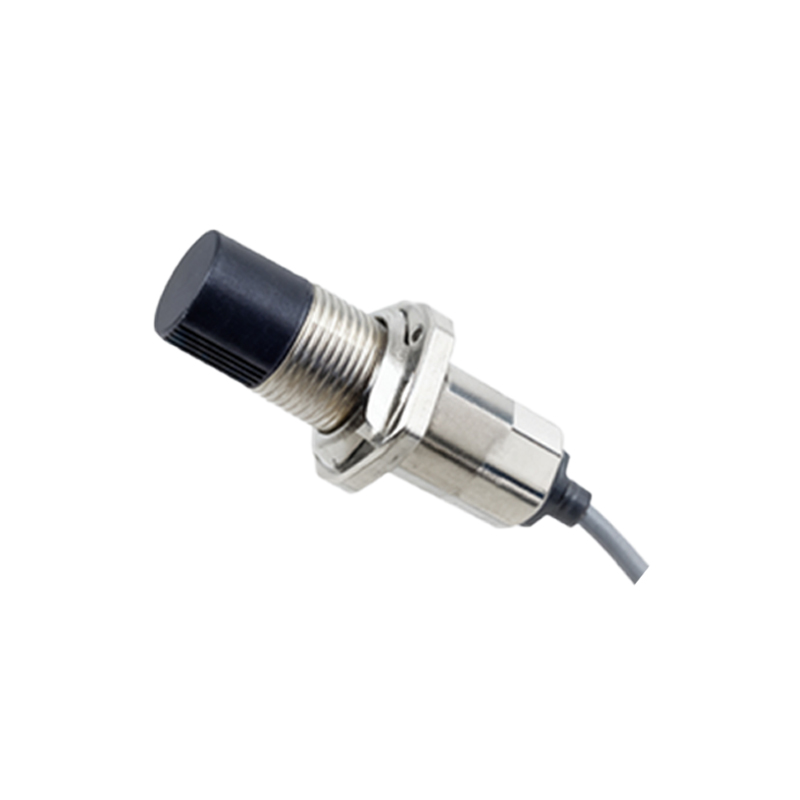
Key features affecting price include sensing distance, output type (e.g., NPN/PNP, analog, IO-Link), housing material (such as stainless steel for harsh environments), and protection ratings like IP67 or IP69K. Sensors with extended temperature ranges or explosion-proof certifications can see prices double or triple. For example, a basic inductive sensor might be priced at $25, while an IP68-rated version with high-temperature tolerance could exceed $80.
Market trends show increasing demand for smart sensors with digital communication capabilities, such as IO-Link, which enable real-time data monitoring and integration with Industry 4.0 systems. These advanced models typically start at $60 USD and can reach over $200, reflecting added functionality. Additionally, miniaturized sensors for compact applications, like electronics assembly, often carry a price premium due to precision engineering.
Purchasing channels also influence final costs. Direct buying from manufacturers or authorized distributors ensures quality but may involve higher list prices. Online marketplaces like Amazon or specialized industrial suppliers (e.g., Digi-Key, Grainger) offer competitive pricing, with discounts for bulk orders. For generic sensors, prices can drop to $10-$15 per unit in quantities of 100 or more. Buyers should balance initial cost against warranty terms, lead times, and technical support availability.
In summary, short proximity sensor prices are shaped by technology, brand, features, and market dynamics. While low-cost options exist for simple tasks, critical applications benefit from investing in robust, feature-rich sensors. By evaluating specifications against operational needs, buyers can optimize budgets without compromising performance. As automation expands, prices are expected to stabilize or decrease slightly for standard models, while innovative sensors may command higher margins. Always request detailed quotes and compare total cost of ownership, including installation and lifecycle expenses, to ensure value alignment.