In the intricate world of industrial automation, robotics, and smart devices, the silent work of proximity calibration sensors forms the backbone of precision and safety. These sophisticated components do far more than simply detect the presence or absence of an object. They provide critical, quantifiable data about distance, position, and movement, enabling systems to operate with a level of accuracy that was once unimaginable. However, the inherent precision of these sensors is not a given; it is a carefully maintained state achieved through meticulous calibration processes. Understanding and implementing proper calibration is not merely a technical step—it is a fundamental requirement for ensuring system integrity, operational efficiency, and long-term reliability.
At its core, calibration is the process of configuring a sensor to output a signal that accurately corresponds to the physical property it is measuring, such as distance. A proximity sensor, whether inductive, capacitive, ultrasonic, or optical, operates within a specified sensing range. Over time and under varying operational conditions, a sensor's performance can drift. Environmental factors like temperature fluctuations, humidity, electromagnetic interference, and even mechanical vibrations can subtly alter its response. Physical wear and tear or contamination of the sensing face can also degrade accuracy. Without regular calibration, a sensor might trigger too early, too late, or with inconsistent repeatability, leading to a cascade of potential failures.
The consequences of uncalibrated or poorly calibrated proximity sensors are significant and costly. In a high-speed packaging line, a misaligned sensor could fail to detect a product, causing jams or allowing defective items to proceed. In robotic assembly, inaccurate positioning data could result in misaligned parts, damaging components or the robot itself. In safety-critical applications, such as automated guided vehicles (AGVs) or machinery with moving guards, a sensor's failure to detect an obstacle or a person could lead to severe accidents. Therefore, calibration transforms a simple detection device into a trusted measurement instrument, providing confidence that the system will behave as intended.
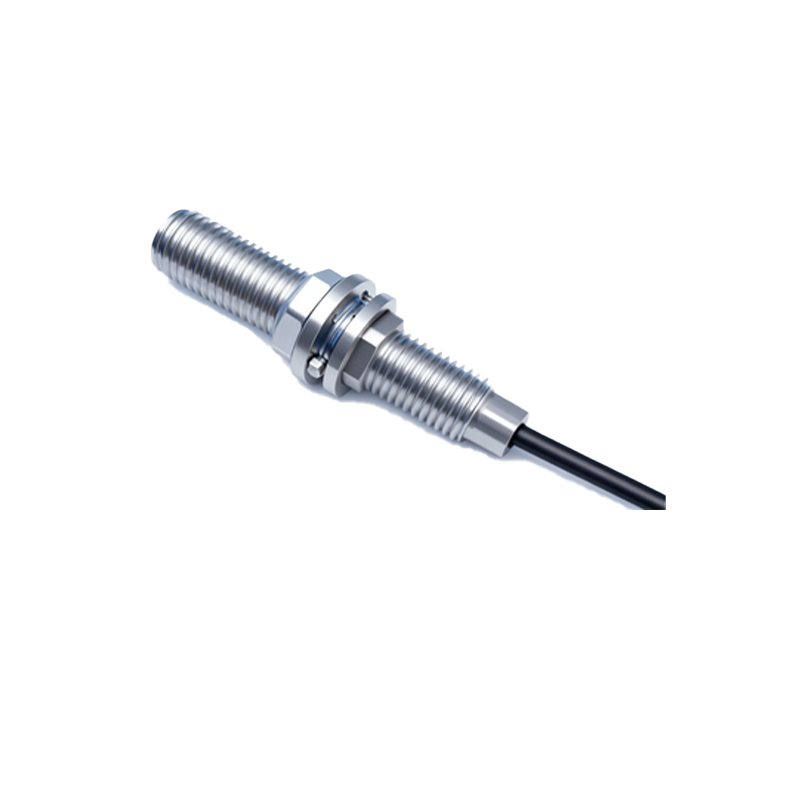
The calibration process typically involves comparing the sensor's output against a known reference standard under controlled conditions. For distance measurement, this often means using precision gauge blocks or calibrated positioning stages. A technician will place targets at precisely known distances within the sensor's nominal range and record the output signal—usually a voltage, current, or digital value. This data is then used to create or adjust the sensor's transfer function, the mathematical relationship between the physical distance and the output signal. Modern smart sensors often feature built-in calibration routines and digital interfaces that simplify this process, allowing for adjustments via software without physical potentiometers.
Several best practices are essential for effective proximity sensor calibration. First, calibration should be performed in an environment that mimics the sensor's actual operating conditions as closely as possible, particularly regarding temperature. Using traceable reference standards ensures the calibration itself is accurate. Documentation is crucial; maintaining a log of calibration dates, results, and any adjustments made provides a valuable history for predictive maintenance and quality audits. The frequency of calibration depends on the application's criticality, the sensor's stability, and the operational environment. High-precision or safety-related applications may require calibration monthly or quarterly, while more forgiving setups might only need an annual check.
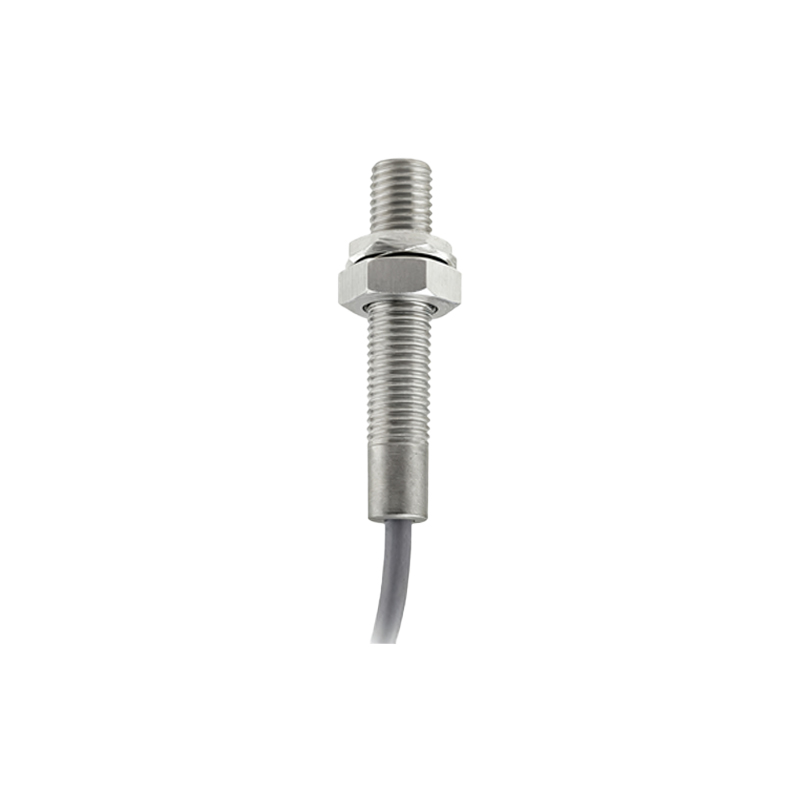
Furthermore, the rise of Industry 4.0 and the Industrial Internet of Things (IIoT) is transforming calibration from a periodic manual task into a more integrated, data-driven function. Sensors with digital outputs and self-diagnostic capabilities can monitor their own health and signal when performance drifts toward a tolerance limit, prompting preemptive maintenance. This shift towards predictive calibration maximizes uptime and ensures consistent quality without unnecessary intervention.
In conclusion, proximity calibration sensors represent a critical nexus where hardware meets meticulous software configuration. Their value is fully realized only through a disciplined, ongoing commitment to calibration. This process is the definitive safeguard against the slow creep of inaccuracy, ensuring that automated systems perform not just adequately, but optimally. For engineers and technicians, mastering sensor calibration is not a peripheral skill but a central competency, one that directly translates to enhanced productivity, superior product quality, and unwavering operational safety in an increasingly automated world.