In modern industrial automation and consumer electronics, the reliable detection of plastic materials presents a unique set of challenges and opportunities. Proximity sensors, designed to detect the presence or absence of an object without physical contact, are frequently employed for this task. However, sensing plastic is not as straightforward as detecting metals, primarily due to the material's inherent electrical and physical properties. Understanding the interaction between different sensor technologies and various plastic types is crucial for achieving consistent and reliable performance in applications ranging from packaging and sorting to assembly and safety systems.
The fundamental principle behind most proximity sensors involves generating an electromagnetic field or a beam of light. When a target object enters this field, it causes a detectable change. For metallic objects, inductive proximity sensors are the dominant choice. These sensors generate a high-frequency oscillating electromagnetic field. A conductive metal object entering this field induces eddy currents, which dampen the oscillator's amplitude, triggering a switch in the sensor's output state. This method is highly effective and reliable for metals but is generally unsuitable for standard plastics, as they are non-conductive and do not affect the electromagnetic field in the same way.
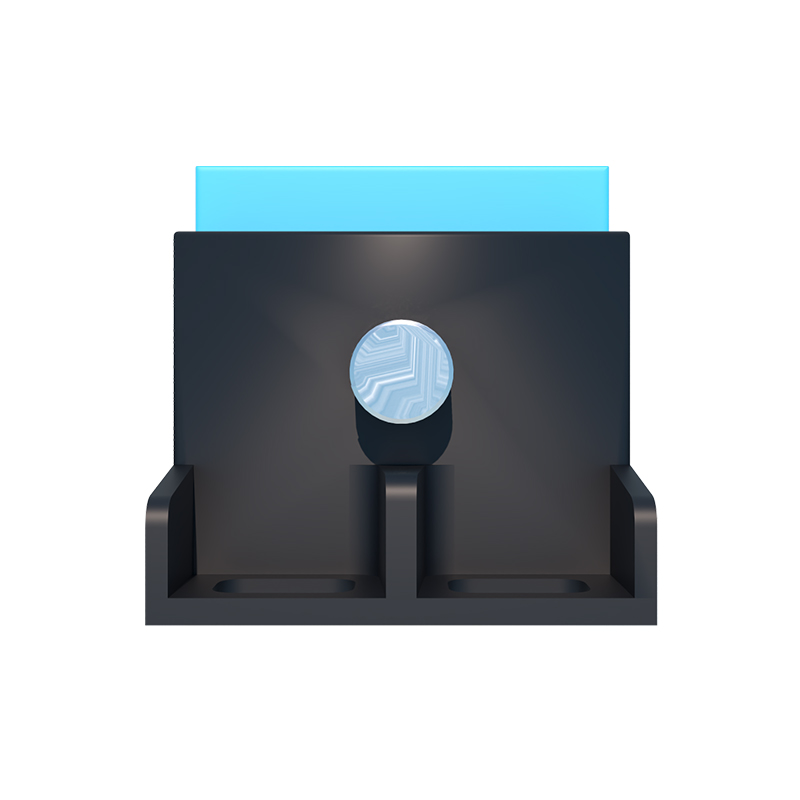
For plastic detection, capacitive and photoelectric proximity sensors are the primary technologies. Capacitive proximity sensors operate on a different principle. They generate an electrostatic field. Any object that enters this field, be it conductive or non-conductive, alters the capacitance of the system. Since all materials have a dielectric constant (a measure of how well a material can store electrical energy in an electric field), they will affect the sensor's field to some degree. Plastics, wood, glass, and liquids all have distinct dielectric constants. For instance, PVC has a higher dielectric constant than polyethylene. This means a capacitive sensor can be tuned to detect the presence of a specific plastic container, a liquid level inside a plastic bottle, or even differentiate between material types based on their dielectric properties. Sensitivity adjustment is key; the sensor must be calibrated to ignore the background (like a conveyor belt) and respond only to the target plastic object.
Photoelectric sensors offer another robust solution. These sensors use a light emitter (often LED-based infrared, red, or laser) and a receiver. They are categorized mainly into through-beam, retro-reflective, and diffuse (proximity) modes. For plastic detection, diffuse photoelectric sensors are commonly used as proximity devices. The sensor emits a light beam, and the target object reflects this light back to the receiver. The sensor detects the intensity of the reflected light to determine the object's presence. The effectiveness depends heavily on the plastic's color, surface finish, and transparency. A matte white plastic reflects light very well, making it easy to detect. Transparent plastics, like clear PET bottles, pose a significant challenge as they allow most light to pass through. For such applications, specialized sensors with polarized lenses or background suppression technology are used. These advanced models can reliably detect transparent objects by analyzing the angle of reflection rather than just the intensity.
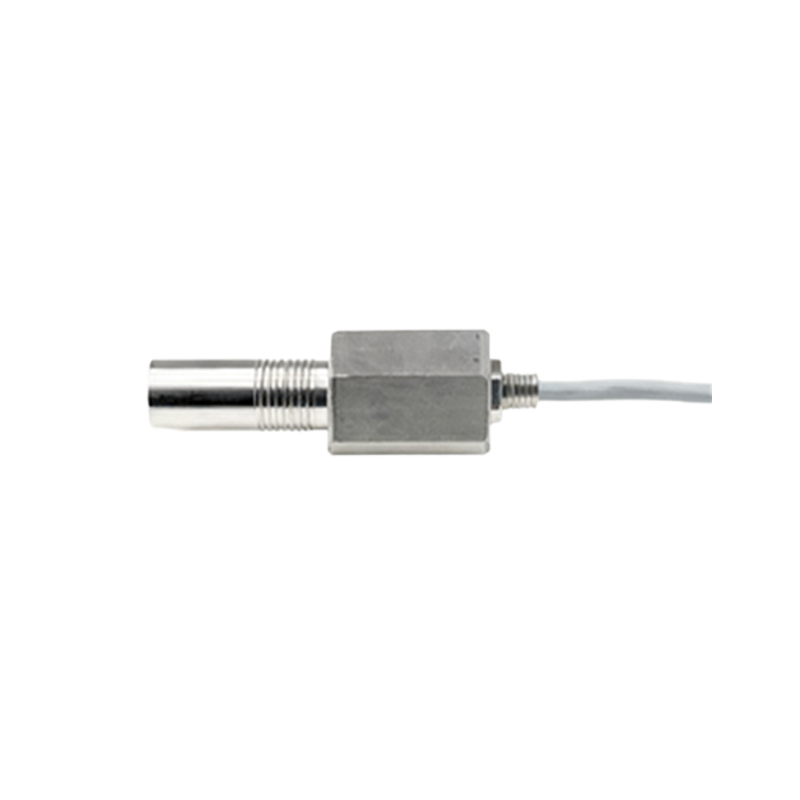
Selecting the right sensor for a plastic detection application requires careful consideration of several factors. First, identify the plastic's characteristics: Is it opaque, transparent, or translucent? What is its color and surface texture? Second, define the application parameters: required sensing distance, response speed, environmental conditions (presence of dust, moisture, or washdown needs), and mounting constraints. For detecting opaque plastics in clean environments, a standard diffuse photoelectric sensor is often sufficient and cost-effective. For transparent plastics or where color variation exists, a background suppression photoelectric or a carefully adjusted capacitive sensor is necessary. If the application involves detecting plastic films or very thin materials, a high-precision capacitive sensor with fine sensitivity adjustment may be the only viable option.
In practice, these sensors enable countless automated processes. On a bottling line, capacitive sensors verify the presence of plastic caps. In automotive assembly, photoelectric sensors confirm that plastic interior components are correctly placed. In recycling facilities, a combination of sensors helps sort different plastic types. The evolution of sensor technology continues to address the nuances of plastic detection. Modern sensors offer digital configuration, IO-Link communication for parameter setting and diagnostics, and enhanced resistance to environmental interference.
Ultimately, the successful implementation of proximity sensing for plastics hinges on matching the sensor's core technology to the specific material properties and application demands. By leveraging the strengths of capacitive and photoelectric principles, engineers can design systems that achieve high reliability, reduce downtime, and ensure quality control in the ever-expanding world of plastic-based products and packaging.