In the realm of industrial automation, robotics, and consumer electronics, the ability to detect the presence or absence of an object without physical contact is paramount. This is where proximity sensors come into play, and among the various manufacturers and series, TQ proximity sensors have established a notable presence. This article delves into the fundamentals, types, common applications, and key considerations for selecting TQ proximity sensors.
At its core, a proximity sensor is a device that detects the presence of nearby objects. TQ proximity sensors, like others, operate by emitting an electromagnetic field or a beam of electromagnetic radiation and then looking for changes in the field or return signal. The primary advantage is non-contact detection, which eliminates mechanical wear and tear, allows for high-speed operation, and enables use in harsh environments where physical contact is impractical or damaging.
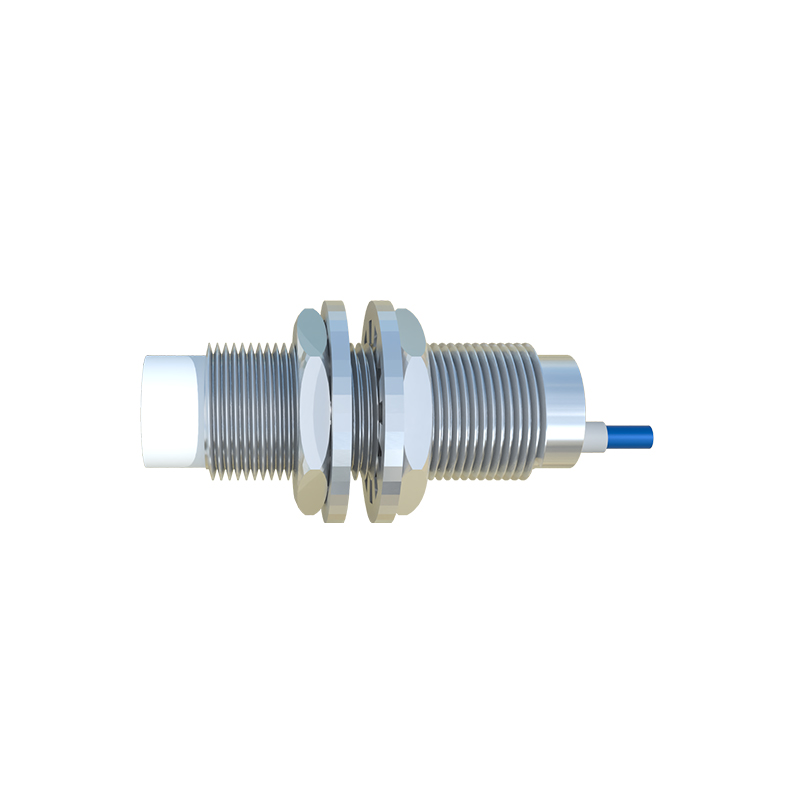
TQ offers a range of proximity sensors, primarily falling into two main categories based on their detection principle: inductive and capacitive.
Inductive proximity sensors are the most common type from TQ for metallic object detection. They generate an oscillating electromagnetic field from a coil at the sensing face. When a ferrous or non-ferrous metal object enters this field, it induces eddy currents within the object, which dampens the oscillation amplitude of the sensor's circuit. This change triggers the sensor's output switch. TQ inductive sensors are renowned for their robustness, long operational life, and high switching frequency. They are ideal for applications like counting metal parts on a conveyor, detecting the position of a machine tool, or as end-position sensors in cylinders.
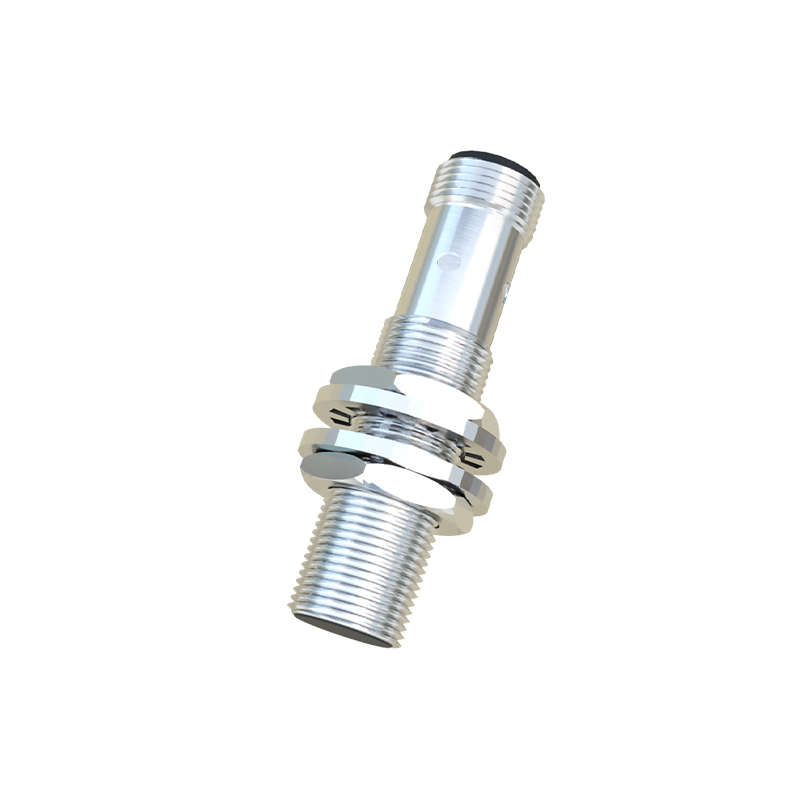
Capacitive proximity sensors can detect both metallic and non-metallic materials, such as plastics, glass, wood, and liquids. They function by generating an electrostatic field. When any object with a dielectric constant different from air enters this field, it changes the capacitance of the sensor's circuit, leading to an output state change. TQ capacitive sensors are often used in level detection for tanks (liquids or granules), material handling for non-metallic products, and touch-sensitive control panels.
When integrating a TQ proximity sensor into a system, several technical specifications are critical. The sensing distance, or nominal range, is the maximum distance at which the sensor can reliably detect a standard target. It's crucial to note that for inductive sensors, the target material and size can affect this distance. The housing material, typically nickel-plated brass or stainless steel in TQ sensors, determines environmental resilience against chemicals, oils, and physical impact. The output type is another key decision; TQ provides models with discrete outputs like NPN, PNP, or relay contacts, as well as analog output versions for distance-proportional signals. The connection method, whether pre-wired cable or quick-disconnect plug, also affects installation ease.
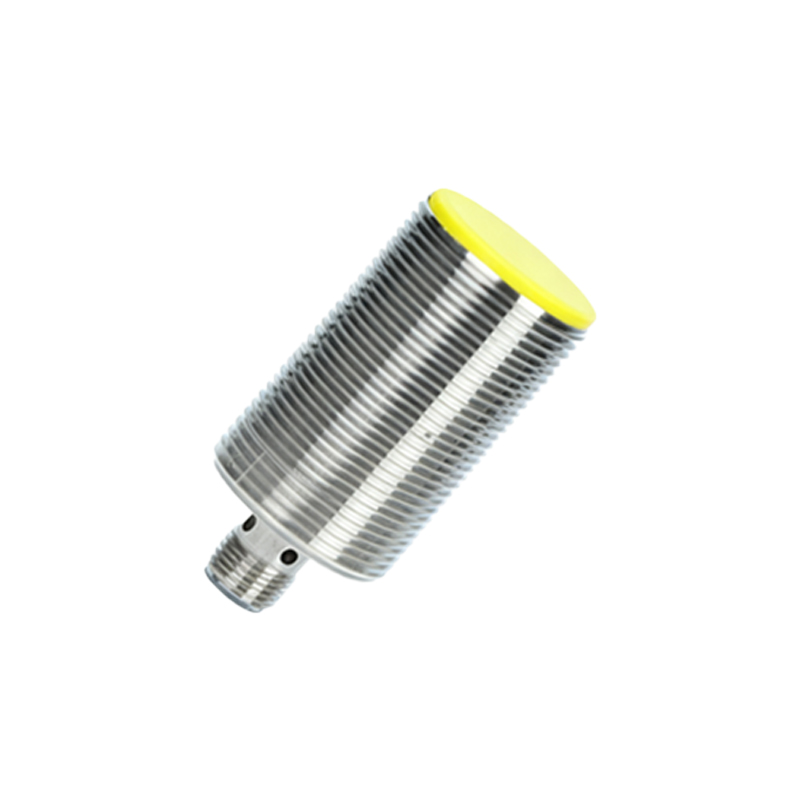
The applications for TQ proximity sensors are vast. In automotive manufacturing, they ensure precise positioning of robotic arms for welding. In packaging machinery, they detect the presence of bottles or boxes to control filling and capping operations. Within consumer electronics, they can be found in smartphones to disable the touchscreen when held to the ear. Their sealed designs (often IP67 or higher) make them suitable for washdown environments in food and beverage processing.
Selecting the right TQ proximity sensor requires a clear understanding of the application parameters. First, identify the target material: metal or non-metal? This dictates the choice between inductive and capacitive types. Next, consider the required sensing distance and any installation space constraints. The operating environment is crucial—factors like temperature extremes, exposure to coolants or cleaning agents, and potential for physical collision will influence the housing material and ingress protection (IP) rating needed. Finally, match the electrical characteristics—supply voltage and output type—to the control system's input module (e.g., PLC).
Proper installation and maintenance are straightforward but essential. Ensure the sensor is mounted securely without misalignment. For inductive sensors, be aware of the "blind zone" very close to the sensing face where detection is not possible. Also, maintain adequate clearance between multiple sensors to prevent mutual interference. While TQ sensors are designed for longevity, periodic checks for physical damage, buildup of debris on the sensing face, and stable electrical connections will ensure continued reliable operation.
In conclusion, TQ proximity sensors provide reliable, non-contact detection solutions for a multitude of industrial and commercial challenges. By understanding the differences between inductive and capacitive technologies and carefully evaluating the target, environment, and electrical requirements, engineers and technicians can effectively leverage these components to enhance automation efficiency, improve safety, and enable innovative product features. Their durability and precision make them a trusted component in modern automated systems.