In the realm of industrial automation and smart systems, the ability to detect the presence, position, and speed of an object without physical contact is paramount. Speed proximity sensors stand at the forefront of this technology, offering a sophisticated blend of detection and velocity measurement. These devices are integral to countless applications, from manufacturing assembly lines to advanced robotics and automotive safety systems.
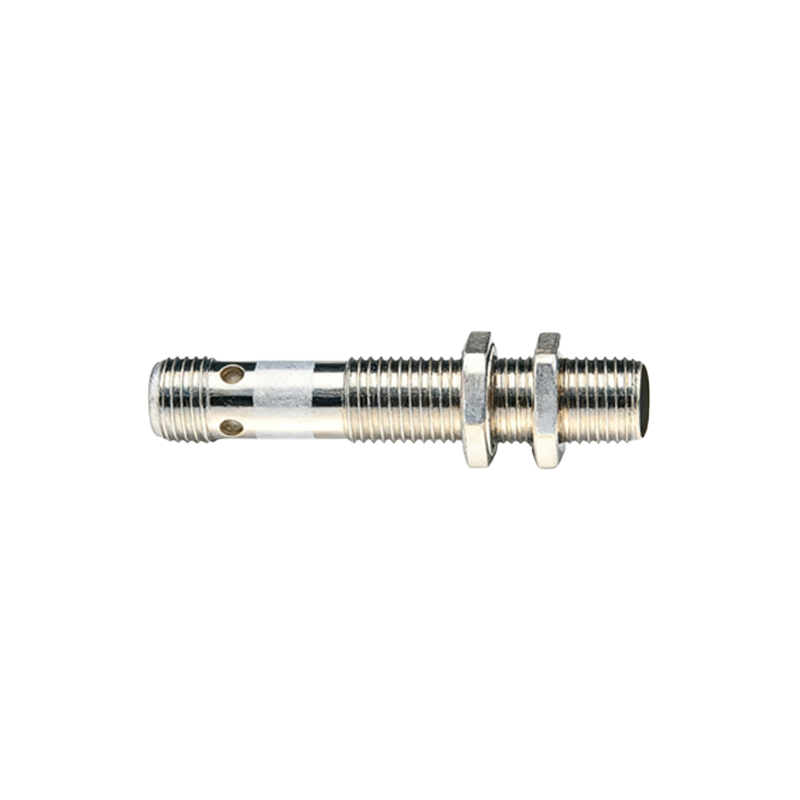
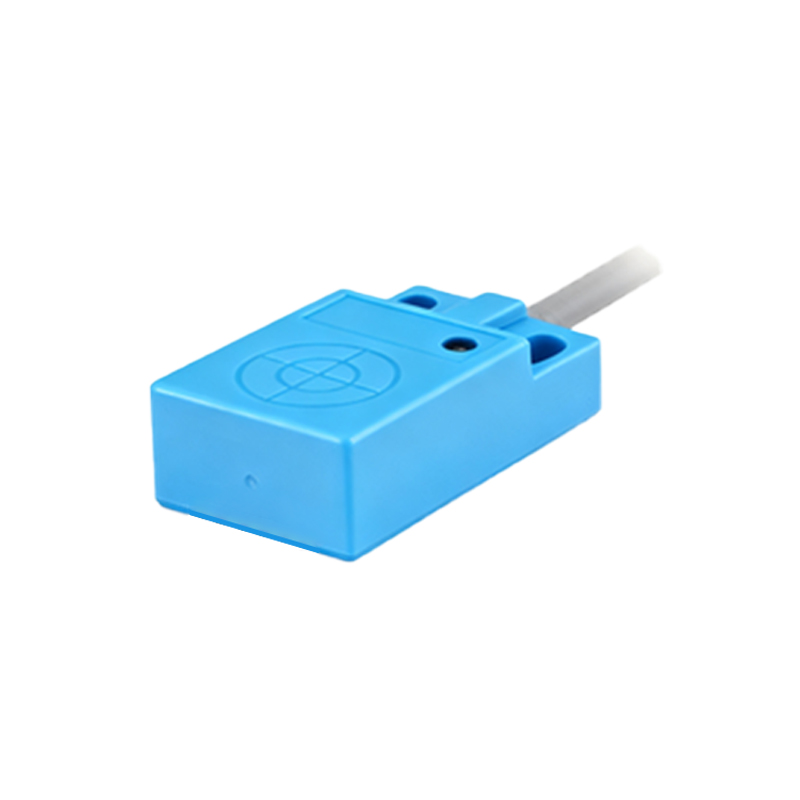
Unlike simple proximity sensors that merely indicate an object's presence within a defined range, speed proximity sensors provide critical dynamic data. They measure how fast an object is approaching or receding from the sensing area. This dual functionality is achieved through various technological principles, primarily inductive, capacitive, and ultrasonic methods. Inductive sensors, for instance, are ideal for detecting metallic objects. They generate an electromagnetic field, and when a metal target enters this field, it induces eddy currents that alter the field's properties. By analyzing the rate of change in these properties, the sensor can calculate the object's speed. Capacitive sensors work on a similar principle but respond to a wider range of materials, including liquids and plastics, by detecting changes in capacitance. Ultrasonic sensors emit high-frequency sound waves and measure the time delay of the reflected echo; changes in this delay over time directly translate to speed.
The applications for speed proximity sensors are vast and critical. In automotive engineering, they are essential components of anti-lock braking systems (ABS) and traction control. Sensors mounted on wheel hubs monitor the rotational speed of each wheel. If a wheel is detected to be spinning significantly faster than others (indicating loss of traction) or locking up during braking, the system can instantly modulate brake pressure to restore control. This application alone has dramatically improved vehicle safety worldwide. On factory floors, these sensors monitor the speed of conveyor belts, ensuring synchronized movement in packaging and assembly processes. They can trigger alarms or shutdown procedures if a belt slows down unexpectedly, indicating a potential jam or mechanical failure, thereby preventing damage and downtime.
In robotics, precision is non-negotiable. Robotic arms equipped with speed proximity sensors can gently and accurately pick up delicate items, adjusting their grip speed based on the object's proximity. This prevents damage to products and increases operational efficiency. Furthermore, in automated guided vehicles (AGVs) and collaborative robots (cobots), these sensors are vital for safe navigation and human-robot interaction. They allow the machine to sense an approaching person or obstacle and adjust its path or speed accordingly to avoid collisions.
The benefits of integrating speed proximity sensors are multifaceted. The primary advantage is enhanced safety. By providing real-time data on object movement, these sensors enable systems to make preemptive decisions to avoid accidents. Secondly, they significantly boost efficiency and precision. Automated processes can run faster and with fewer errors when the system accurately knows not just where an object is, but how fast it is moving. This leads to higher throughput, consistent product quality, and reduced waste. Thirdly, they contribute to predictive maintenance. By continuously monitoring the operational speed of machinery components, these sensors can identify subtle deviations that signal wear and tear, allowing maintenance to be scheduled before a catastrophic failure occurs.
Selecting the right speed proximity sensor requires careful consideration of several factors. The sensing range, or the maximum distance at which the sensor can reliably detect an object, must suit the application. The response time, which is how quickly the sensor can detect a change and output a signal, is crucial for high-speed processes. Environmental conditions such as temperature extremes, humidity, dust, or exposure to chemicals can affect sensor performance, necessitating models with appropriate ingress protection (IP) ratings. The target material also dictates the choice of technology; inductive sensors are ineffective for non-metals, while capacitive and ultrasonic sensors offer broader material compatibility.
Installation and calibration are critical steps to ensure optimal performance. Sensors must be mounted securely to avoid vibration-induced errors. The sensing face should be correctly aligned with the expected path of the target object. Proper calibration according to the manufacturer's specifications ensures that the speed readings are accurate and reliable. Regular maintenance, including cleaning the sensor face from dirt or debris, is essential for long-term, trouble-free operation.
Looking ahead, the evolution of speed proximity sensors is intertwined with the growth of the Industrial Internet of Things (IIoT) and Industry 4.0. Modern sensors are increasingly "smart," featuring digital outputs, integrated microprocessors, and communication protocols like IO-Link. This allows for not only speed data transmission but also remote configuration, diagnostics, and integration into larger networked systems for centralized monitoring and analytics. The fusion of proximity sensing with other data points is paving the way for more autonomous, intelligent, and adaptive industrial ecosystems.
In conclusion, speed proximity sensors are more than just simple switches. They are intelligent components that provide a vital stream of dynamic data, forming the sensory foundation for safe, efficient, and precise automated systems. As technology advances, their role will only become