In the seamless interaction between humans and technology, proximity and light sensors play a crucial yet often invisible role. These tiny components, embedded within our smartphones, tablets, laptops, and even smart home devices, are fundamental to creating intuitive and energy-efficient user experiences. While they are frequently mentioned together, they serve distinct but complementary functions.
A proximity sensor is primarily designed to detect the presence of nearby objects without any physical contact. The most common type used in consumer electronics is the infrared (IR) proximity sensor. It works by emitting an infrared light beam and measuring the reflection. When you hold your phone to your ear during a call, the sensor detects the closeness of your face and automatically turns off the display. This prevents accidental screen touches from your cheek and conserves battery power. Beyond phones, these sensors are used in automatic faucets, hand dryers, and robotics for obstacle detection.
On the other hand, an ambient light sensor (ALS) measures the intensity of light in the environment. Its core function is to automatically adjust the brightness of a device's screen. In a dark room, it dims the display to reduce eye strain and save energy. In bright sunlight, it boosts the brightness to maintain readability. This dynamic adjustment, often called auto-brightness, is key to both user comfort and extending battery life. Modern light sensors can also detect color temperature, allowing devices to shift screen colors (like Night Shift or Blue Light Filter modes) to match ambient lighting for reduced eye fatigue.
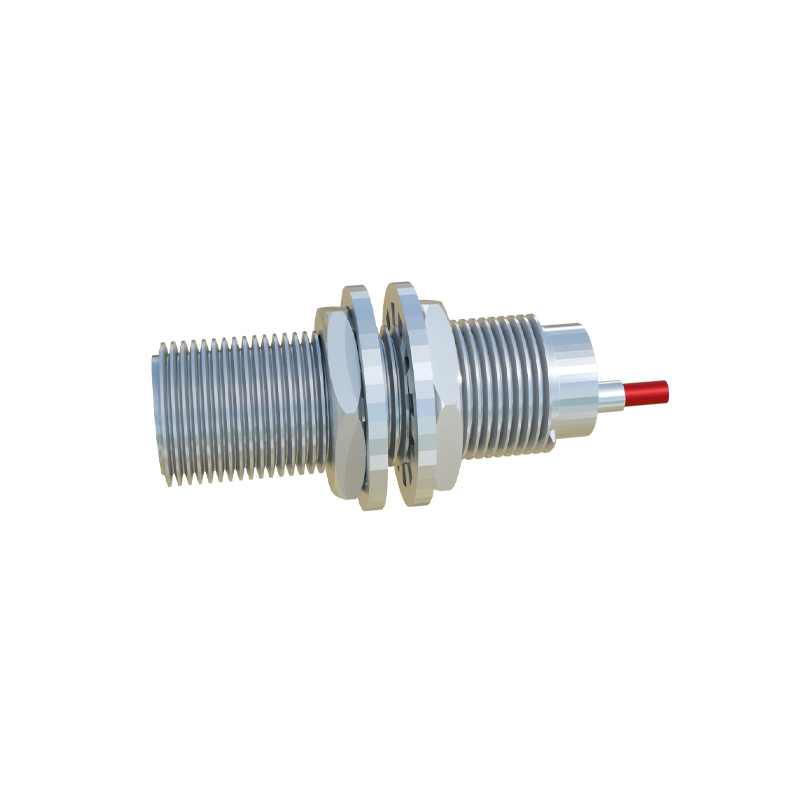
The integration of these two sensors is where the magic happens in devices like smartphones. They often share a single module located near the earpiece. When you receive a call and lift the phone, the proximity sensor activates first to blank the screen. Simultaneously, the light sensor is temporarily overridden, as adjusting brightness during a call is unnecessary. Once the phone is moved away from your ear, the proximity sensor deactivates, the screen turns back on, and the light sensor resumes its job of optimizing display brightness for the current environment.
The technology behind these sensors has evolved significantly. Early proximity sensors were simple IR LEDs and photodetectors. Modern versions are more sophisticated, often combining multiple photodiodes to filter out noise and improve accuracy. Similarly, ambient light sensors have progressed from simple photoresistors to advanced digital sensors that can measure lux levels and color spectrum. Some high-end sensors now incorporate both functions into a single, compact chip, improving design efficiency and reliability.
For developers and engineers, understanding the programming and calibration of these sensors is vital. They must account for various real-world scenarios: different skin tones and hair types for proximity detection, or sudden changes in lighting (like walking from indoors to outdoors). Proper calibration ensures the sensors respond accurately and consistently, avoiding frustrating user experiences like a screen that turns off during a call when it shouldn't, or a display that flickers under certain light conditions.
The applications extend far beyond mobile phones. In automotive systems, proximity sensors aid in parking assistance and collision avoidance. Light sensors automatically control dashboard and interior lighting. In industrial settings, they are part of safety systems and automated processes. The rise of the Internet of Things (IoT) has further expanded their use, enabling smart lighting systems that adjust based on occupancy and ambient light, or smart displays that manage their output for optimal visibility and power consumption.
Looking ahead, the future of proximity and light sensing is tied to advancements in miniaturization, power efficiency, and intelligence. We can expect sensors with even lower power draw for always-on applications in wearables. Integration with other sensors (like cameras for 3D sensing) will enable new features in augmented reality and gesture control. Machine learning algorithms will allow these sensors to predict user behavior and context, making adjustments more anticipatory rather than reactive.
In conclusion, proximity and light sensors are unsung heroes of modern electronics. Their silent, continuous operation enhances usability, protects hardware, and optimizes energy use. As devices become more context-aware and interactive, the sophistication and importance of these fundamental sensors will only continue to grow, solidifying their role as essential components in our connected world.