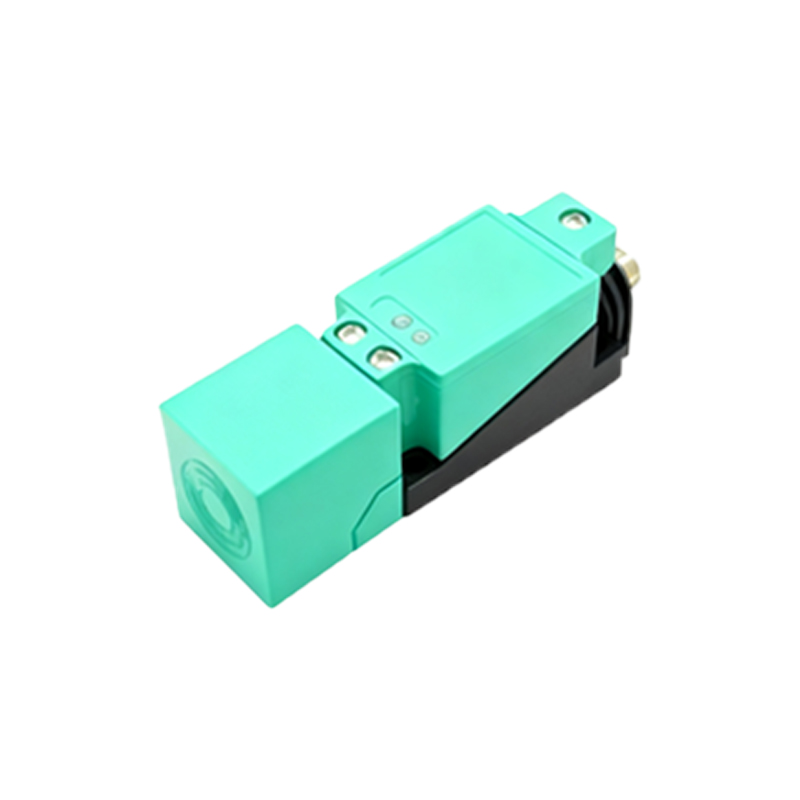
Explosion proof proximity sensors are critical components in hazardous industrial environments where flammable gases, vapors, or combustible dusts are present. These specialized sensors detect the presence or absence of objects without physical contact, utilizing technologies like inductive, capacitive, or magnetic principles, all while being housed in robust enclosures designed to contain any internal spark or explosion. The factory price of these sensors is a primary consideration for procurement managers, engineers, and system integrators across sectors such as oil and gas, chemical processing, mining, and grain handling.
Understanding the factors that influence the factory price is essential for making informed purchasing decisions. The core technology is a major cost driver. Inductive sensors, detecting metallic objects, are often the most cost-effective for standard metal detection tasks in explosive atmospheres. Capacitive sensors, capable of detecting both metallic and non-metallic materials like liquids or plastics, typically command a higher price due to their more complex circuitry. Magnetic sensors (reed switches) are generally priced lower but are limited in application.
The protection rating and certification standards directly impact cost. Sensors certified for Class I, Division 1 (explosive gases present continuously) or Zone 0 (constant hazard) environments require more rigorous design and testing than those for Division 2 or Zone 2 areas (hazard only under abnormal conditions). Common certifications include ATEX (Europe), IECEx (International), and UL (North America). A sensor with multiple certifications for global use will have a higher factory price than one with a single regional approval. The material of the housing, usually stainless steel (like 316L) or brass with high-grade epoxy sealing, adds to the manufacturing cost but is non-negotiable for durability and safety.
Design features such as sensing range, output type (PNP/NPN, analog, IO-Link), and connection method (pre-wired cable or connector) also contribute to price stratification. A sensor with a longer sensing range or an analog output for distance measurement will be priced higher than a basic on/off switch with a short range. The integration of smart diagnostics and communication protocols like IO-Link adds functionality but also increases the unit cost.
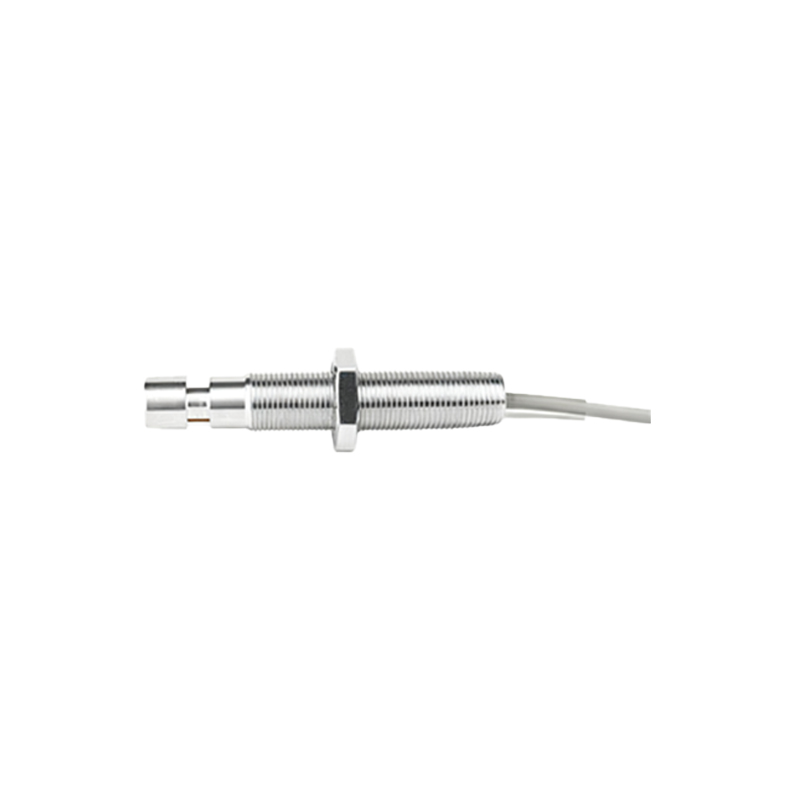
When evaluating factory prices, it is crucial to look beyond the initial unit cost. Total Cost of Ownership (TCO) includes installation, maintenance, and potential downtime. A sensor from a reputable manufacturer with a slightly higher upfront cost may offer superior reliability, longer service life, and better technical support, reducing long-term expenses. Conversely, an extremely low factory price might indicate compromises in material quality, testing, or certification integrity, posing a significant safety and financial risk.
Manufacturers typically offer tiered pricing based on order volume. Substantial discounts are available for large OEM projects or annual framework agreements. However, for small to medium orders, prices are generally fixed from the factory catalog. It is advisable to request formal quotations from multiple suppliers, providing detailed specifications on the required technology, certification, sensing distance, thread size (e.g., M18, M30), and output configuration.
The global supply chain and raw material costs, particularly for metals and electronic chips, cause factory prices to fluctuate. Establishing a direct relationship with a manufacturer or an authorized distributor can provide more stable pricing and ensure access to genuine, certified products. Be wary of prices that seem too good to be true, as uncertified or counterfeit sensors in the market can jeopardize entire safety systems.
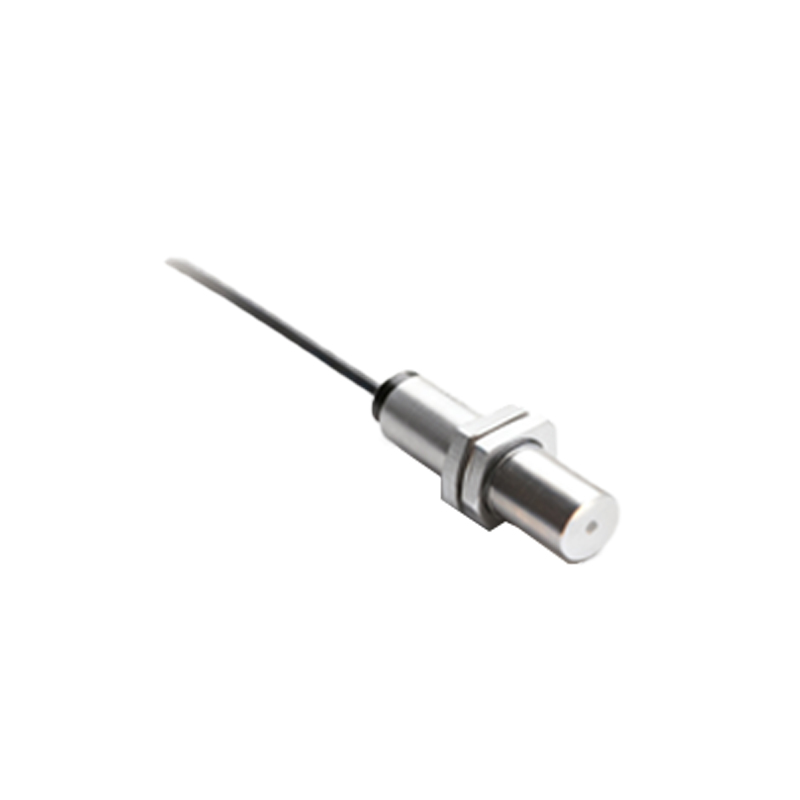
In summary, the factory price of an explosion proof proximity sensor is a function of its sensing technology, hazard level certification, build quality, and advanced features. A thorough technical and commercial evaluation against the specific application requirements is the only way to secure both value and safety. Investing in the right sensor at a fair factory price is an investment in operational continuity and personnel protection.