Proximity sensor bars, often simply called proximity bars, are linear sensing devices that detect the presence or absence of objects within a specific, elongated detection zone without physical contact. Unlike single-point proximity sensors, these bars provide a continuous sensing field along their length, making them indispensable in modern industrial automation, security systems, and consumer electronics. Their core technology is primarily based on three principles: capacitive, inductive, and photoelectric sensing, each suited to different materials and environments.
Inductive proximity bars are the workhorses for detecting metallic objects. They generate an electromagnetic field along the bar's length. When a metal target enters this field, it induces eddy currents, causing a change in the bar's oscillation amplitude, which is then detected. These sensors are robust, resistant to environmental factors like dust and oil, and are ideal for conveyor line monitoring, metal part counting, and position verification in machinery. Their detection range is typically limited to a few millimeters to tens of millimeters from the bar's surface.
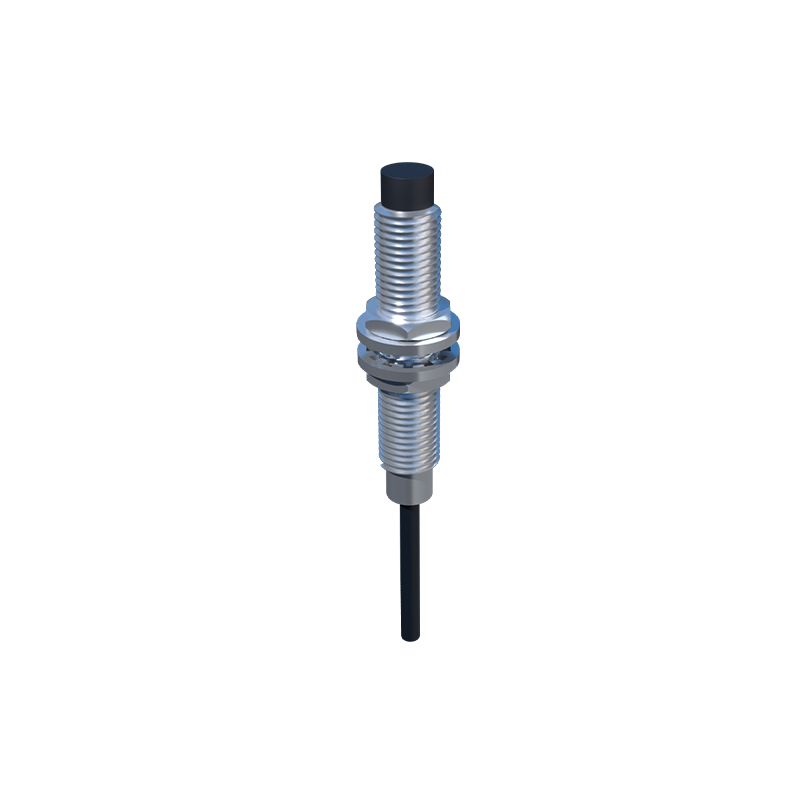
For non-metallic materials—such as wood, plastic, glass, or liquids—capacitive proximity bars are the solution. They function by generating an electrostatic field. Any object with a dielectric constant different from air (which is nearly all materials) alters this field's capacitance upon approach. This makes them perfect for level detection in tanks, presence sensing of packaged goods, or touch-sensitive control panels. However, they can be sensitive to environmental changes like humidity and require careful calibration.
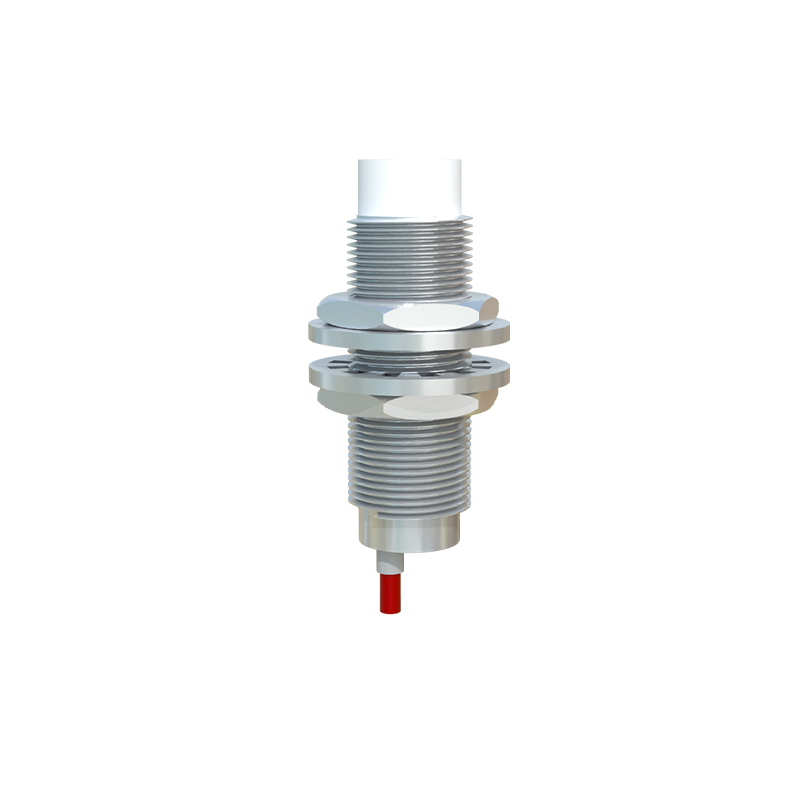
Photoelectric sensor bars, or light curtains, represent another major category. They consist of a linear array of aligned infrared LED transmitters on one side and corresponding receivers on the other. An object breaking any part of the light beam is detected. These are crucial for safety applications, forming intrusion detection barriers around hazardous machinery, and for precise dimensional gauging or object profiling in high-speed sorting systems. Their range can extend to several meters.
The advantages of using a sensor bar over multiple discrete sensors are significant. They offer a seamless, gapless detection field, eliminating blind spots. Installation is simplified with a single unit, reducing wiring complexity and potential failure points. They provide consistent sensitivity across their entire length, ensuring reliable performance for edge detection or width measurement tasks. Modern intelligent bars can even provide analog output or discrete signals per zone, offering detailed positional data.
When selecting a proximity sensor bar, key parameters must be evaluated. The sensing length must match the application's required coverage. The sensing distance, or operating gap, is critical. Environmental factors are paramount: inductive sensors for harsh, dirty environments; capacitive for clean, controlled settings involving non-metals; and photoelectric for long-range, non-contact safety or precision tasks. The housing material, typically nickel-plated brass or stainless steel for industrial use, must withstand the operational environment. Output types (PNP/NPN, analog, IO-Link) must be compatible with the control system.
Applications are vast. In automotive assembly, inductive bars verify the correct placement of metal components like door frames. In packaging, capacitive bars detect the fill level of bottles on a conveyor. In material handling, photoelectric light curtains safeguard robotic work cells. In consumer electronics, miniature capacitive bars enable touch-sensitive slider controls or proximity-based display wake-up features in laptops and tablets. They are also foundational in interactive kiosks and advanced human-machine interfaces.
Installation and alignment are critical for optimal performance. The sensor must be mounted securely to prevent vibration-induced errors. For opposing-type photoelectric bars, precise optical alignment is essential. For inductive and capacitive types, the sensing face should be positioned at the correct distance from the target, and surrounding metal (for inductive) or other materials (for capacitive) must be considered to avoid false triggering. Regular maintenance involves cleaning the sensing face to remove debris, dust, or oil buildup that could attenuate signals.
The future of proximity sensor bar technology points toward miniaturization, increased intelligence, and integration. The development of multi-technology bars that combine, for instance, inductive and capacitive elements in one housing is progressing. Integration with Industrial IoT (IIoT) platforms allows for predictive maintenance, where the sensor can report its health status and performance trends. Furthermore, advancements in materials science are leading to more robust and chemically resistant housings for extreme environments.
In conclusion, the proximity sensor bar is a versatile and powerful component in the automation toolkit. By providing reliable, non-contact detection over a linear area, it solves complex sensing challenges that point sensors cannot. Understanding the fundamental technologies—inductive, capacitive, and photoelectric—and their respective strengths is the first step to successful implementation. With careful selection based on the target material, required range, and environmental conditions, these devices significantly enhance efficiency, safety, and precision across countless industries, from heavy manufacturing to delicate electronic devices.