Proximity sensors are essential components in industrial automation, providing non-contact detection of objects. Proper installation is critical to ensure reliable operation, accuracy, and longevity. This guide covers common installation methods, key considerations, and best practices for various sensor types, including inductive, capacitive, and photoelectric sensors.
Mounting proximity sensors requires attention to the sensor's sensing range and the target material. For inductive sensors, which detect metallic objects, the sensing distance can vary based on the target's metal type and size. Ensure the target approaches the sensor within its specified sensing axis. Side-mounted sensors often require precise alignment to avoid false triggers. Flush-mounting or non-flush mounting styles impact the effective sensing range; non-flush sensors typically offer longer ranges but require more clearance from surrounding metal.
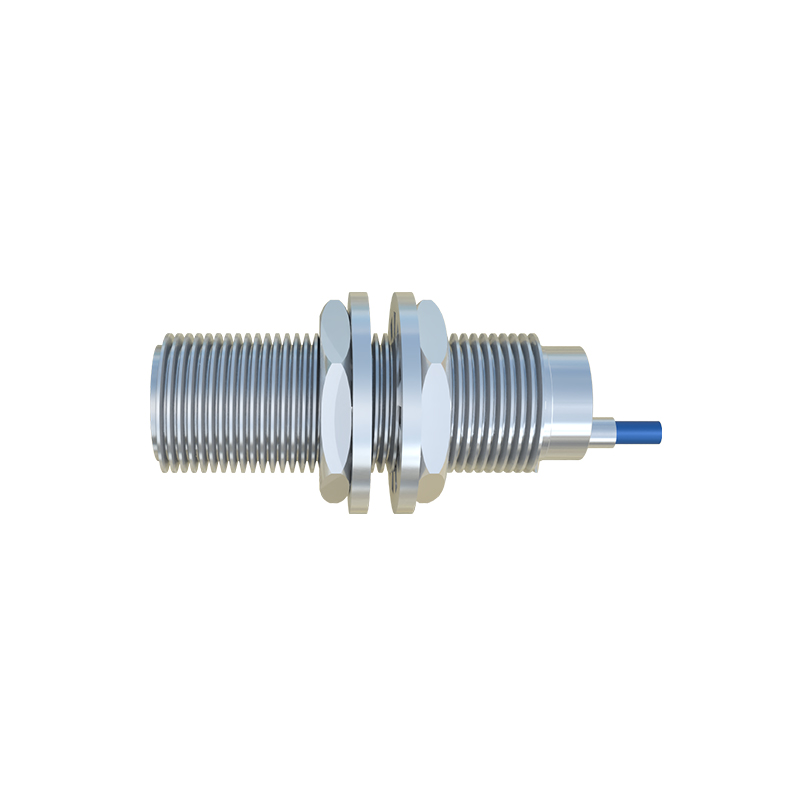
Environmental factors significantly influence installation. In high-vibration areas, use sturdy brackets and vibration-resistant mounts to prevent misalignment. For sensors exposed to dust, moisture, or chemicals, select models with appropriate IP ratings and install them in shielded locations when possible. Avoid placing sensors near strong electromagnetic fields or welding equipment, as interference can disrupt signals.
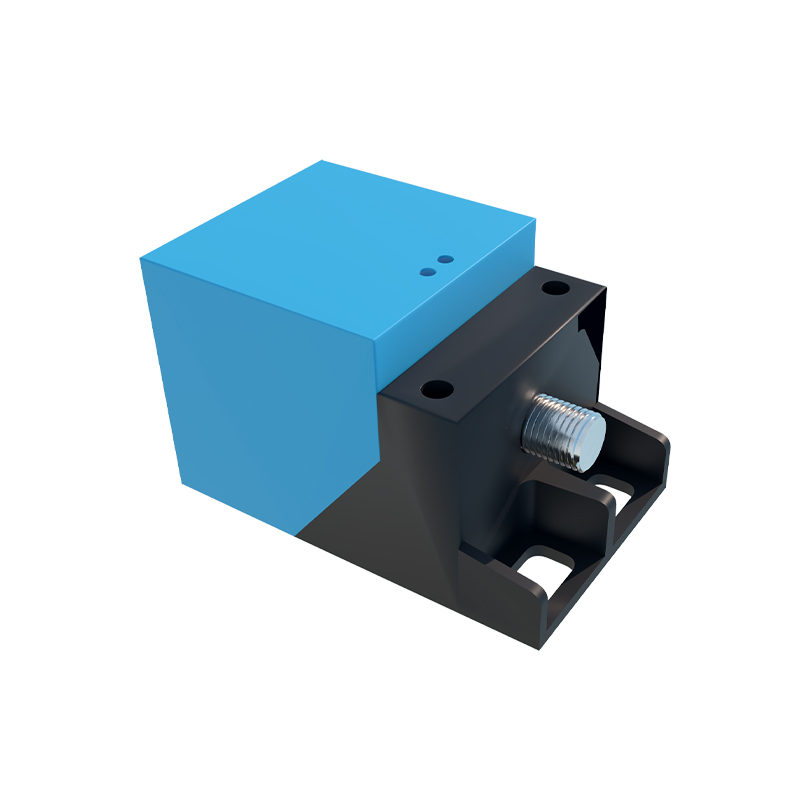
Wiring and electrical connections must follow manufacturer guidelines. Use shielded cables to reduce electrical noise, especially in long cable runs. Ensure proper grounding to prevent leakage currents and false outputs. For DC sensors, verify polarity, and for AC sensors, match voltage specifications. Leave slack in cables to allow for maintenance without strain on connections.
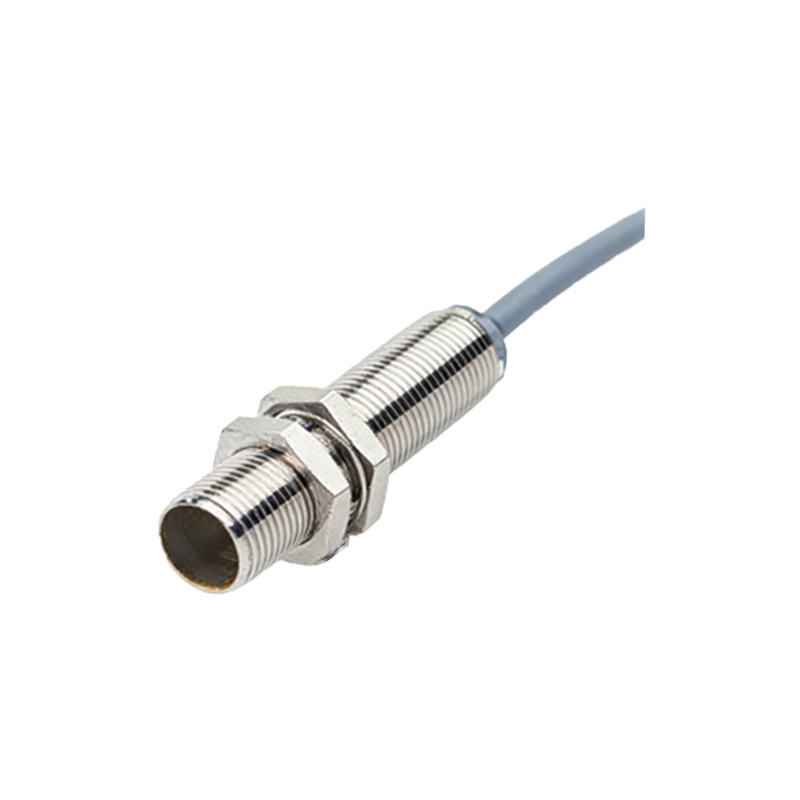
Testing after installation is crucial. Verify the sensor's response by moving the target through its sensing path at operational speeds. Adjust sensitivity settings if available, ensuring the sensor detects the target without reacting to background objects. Regular maintenance, including cleaning lenses or sensing faces and checking mounting hardware, helps sustain performance.
In summary, successful proximity sensor installation involves selecting the right sensor type, considering environmental conditions, following precise mounting and wiring procedures, and conducting thorough testing. Adhering to these practices minimizes downtime and enhances system reliability.