In industrial automation, conveyor systems serve as the backbone of material handling, enabling seamless transportation across manufacturing, packaging, and logistics sectors. However, ensuring operational safety, precision, and efficiency remains a persistent challenge. Magnetic proximity sensors have emerged as a pivotal solution, offering reliable detection and control for conveyor applications. Unlike traditional mechanical switches or optical sensors, these devices utilize magnetic fields to detect the presence or absence of ferrous objects—such as metal plates, gears, or conveyor components—without physical contact. This non-contact operation minimizes wear and tear, reduces maintenance costs, and enhances system longevity.
The core principle behind magnetic proximity sensors involves a reed switch or Hall-effect element that responds to changes in magnetic flux. When a ferrous target enters the sensor’s detection range, it alters the magnetic field, triggering an electrical signal. This signal can be used to monitor conveyor speed, position pallets, count items, or initiate safety stops. For instance, in high-speed bottling lines, sensors ensure containers are properly aligned before capping, preventing jams and product damage. In mining or heavy-industry conveyors, they detect belt slippage or misalignment, alerting operators to potential hazards.
Key advantages of magnetic proximity sensors include robustness against environmental factors. They are inherently resistant to dust, moisture, oil, and vibrations—common in industrial settings where optical sensors might fail due to contamination. Additionally, their solid-state design ensures fast response times, often in milliseconds, critical for real-time conveyor control. Modern variants feature adjustable sensing distances, temperature tolerance from -40°C to 85°C, and compatibility with PLCs (Programmable Logic Controllers) for integration into automated networks.
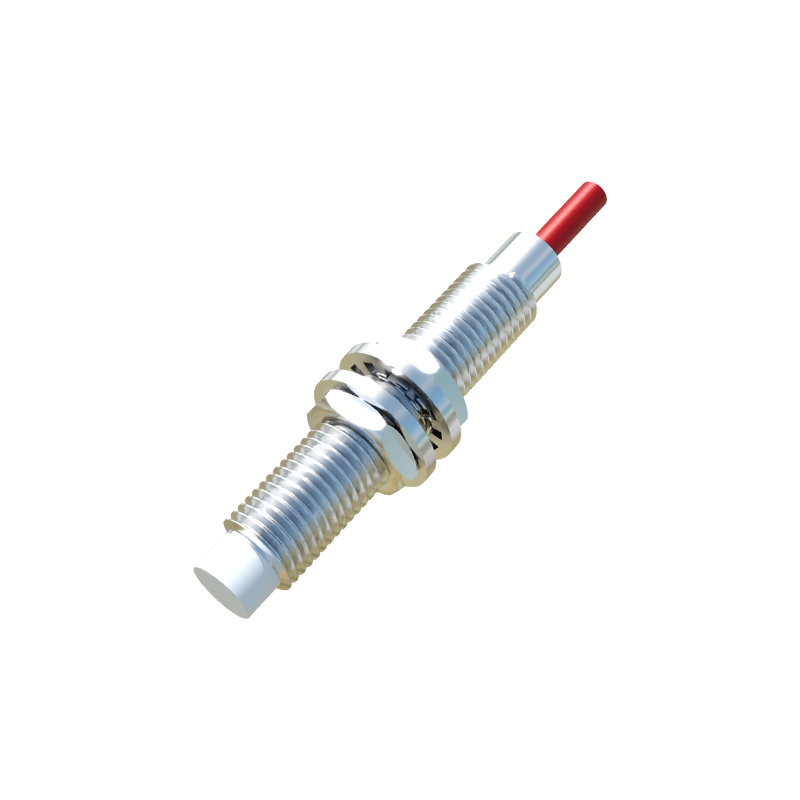
Installation and calibration are straightforward. Sensors are typically mounted along conveyor frames or near moving parts, with magnets embedded in targets like conveyor belts or rollers. Proper alignment is essential to maintain consistent detection. Regular testing with a multimeter or diagnostic tools helps verify performance. For optimal results, choose sensors with IP67 or higher ingress protection ratings for harsh environments, and consider shielded models to avoid interference from adjacent machinery.
Case studies highlight their impact. A automotive assembly plant reduced downtime by 30% after replacing mechanical limit switches with magnetic sensors on its paint-shop conveyors, eliminating false triggers caused by paint buildup. A food processing facility improved packaging accuracy by using sensors to track tray positions, cutting waste by 15%. These examples underscore how magnetic proximity sensors contribute to leaner, safer operations.
Looking ahead, advancements in IoT and Industry 4.0 are driving smarter sensor designs. Wireless-enabled magnetic sensors now transmit data to cloud platforms for predictive maintenance, analyzing trends like detection frequency or temperature shifts to forecast failures. Integration with AI algorithms further optimizes conveyor speed and energy use. As industries prioritize automation and safety, magnetic proximity sensors will continue evolving, offering higher precision, longer ranges, and enhanced connectivity.
In summary, magnetic proximity sensors are indispensable for modern conveyor systems. By providing contactless, durable detection, they bolster efficiency, reduce operational risks, and support sustainable automation. Whether upgrading existing setups or designing new lines, incorporating these sensors is a strategic move toward resilient industrial infrastructure.