In the world of industrial automation and machinery control, travel switches play a pivotal role. Often referred to as limit switches, these devices are fundamental components used to detect the presence or absence of an object, or to monitor and limit the movement of a machine part. The correct selection of a travel switch model is critical for ensuring safety, precision, and reliability in countless applications, from manufacturing assembly lines to elevator systems. This guide delves into the various types of travel switch models, their key specifications, and practical considerations for selection.
Understanding the basic operation is the first step. A travel switch is an electromechanical device that consists of an actuator mechanically linked to a set of contacts. When an object, often called the target or actuator, makes contact with the switch's actuator mechanism, it triggers the internal contacts to change state—either opening or closing an electrical circuit. This signal is then used to stop, start, or sequence operations in a control system. The diversity in models arises from the need to suit different physical environments, actuation forces, precision requirements, and electrical loads.
The categorization of travel switch models is primarily based on their actuator type and housing design. Some of the most common models include:
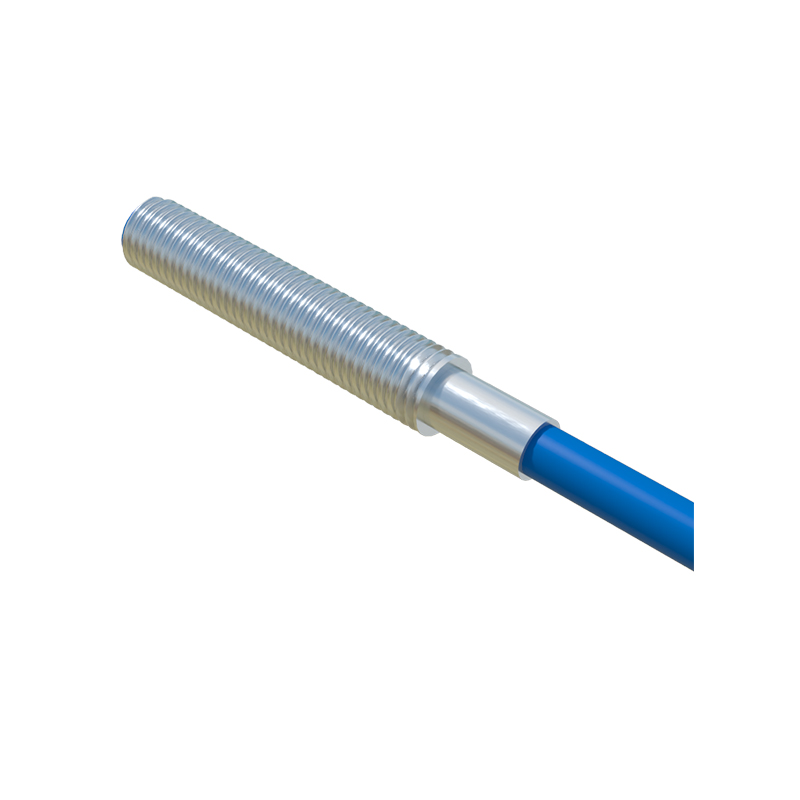
1. Lever Arm Models: These are among the most recognizable. They feature a lever arm actuator that pivots. The lever can often be adjusted for length and angle, and may come with a roller tip to reduce wear. They are ideal for applications where the target approaches from a specific direction, such as in conveyor belt limit detection.
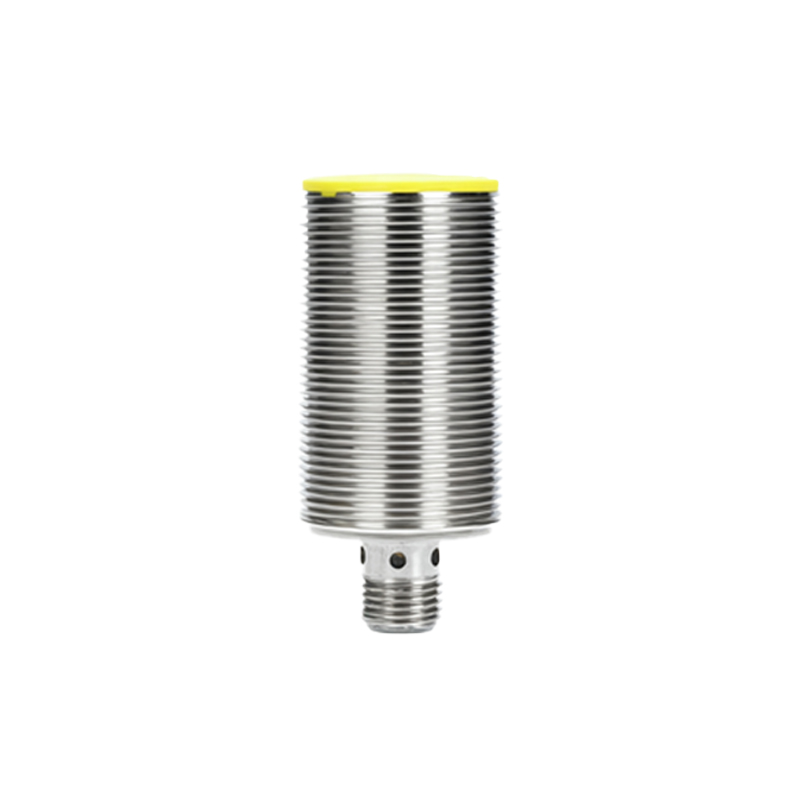
2. Plunger (Push Rod) Models: These switches are actuated by a linear force applied directly to the plunger. They offer precise actuation points and are commonly used where a straight-line, positive pressure is available, like in clamping or positioning jigs.
3. Rotary (Cam) Models: These are designed to be actuated by a rotating cam. They are frequently built into machinery to control the sequence of operations based on shaft rotation, common in packaging and indexing equipment.
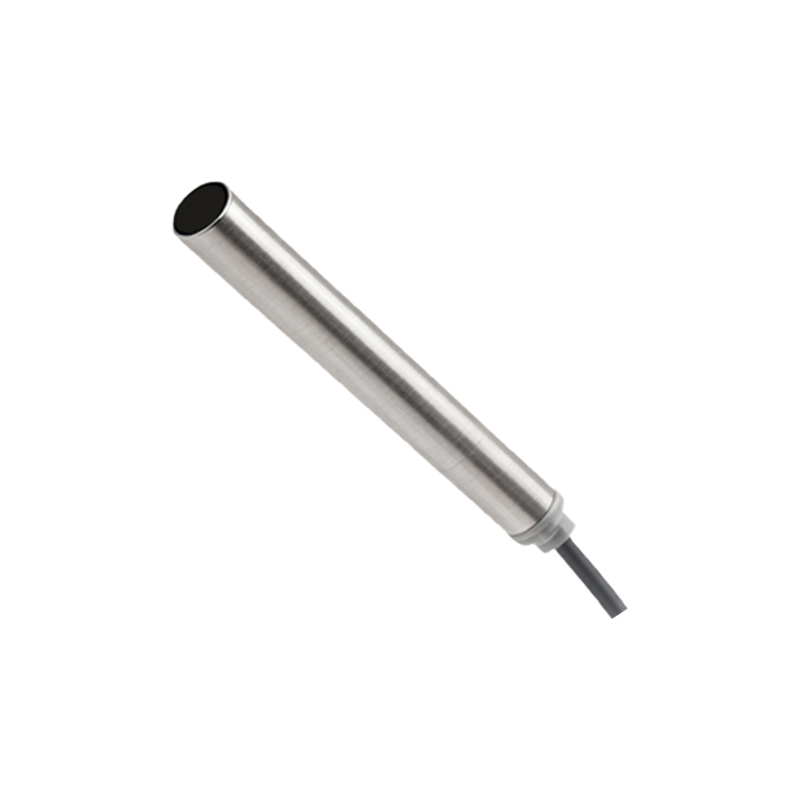
4. Spring-Return Models: In these switches, the actuator returns to its original position via a spring once the actuating force is removed. This provides a clear "make-and-break" action.
5. Maintained-Position Models: The actuator in these models remains in its actuated position until physically reset, which is useful for fault indication or maintenance lockout scenarios.
6. Compact and Miniature Models: With the trend toward miniaturization, these small-footprint switches are used in tight spaces like robotic arms or electronic enclosures without sacrificing functionality.
7. Heavy-Duty and Ruggedized Models: Encased in robust metal housings (often with high Ingress Protection ratings like IP67), these models are built to withstand harsh environments involving dust, moisture, oil, and heavy mechanical impacts, typical in mining, steel mills, or construction equipment.
Beyond the physical form, selecting the right model requires careful attention to technical specifications. Key parameters include:
Electrical Rating: This defines the voltage and current (AC or DC) the switch contacts can safely handle. It must be compatible with the control circuit.
Contact Configuration: Usually described as Normally Open (NO), Normally Closed (NC), or changeover (SPDT - Single Pole Double Throw). The choice depends on whether the circuit should be completed or interrupted upon actuation.
Actuation Force and Travel: The amount of force needed to trigger the switch and the distance the actuator must move. Precision applications demand low differential travel (the distance between the actuation and release points).
Housing Material and Protection Rating: Plastic housings are cost-effective for light duty, while metal housings offer durability. The IP or NEMA rating indicates resistance to environmental factors.
Operating Temperature Range: The switch must function reliably within the ambient temperature of its installation location.
Mechanical Life vs. Electrical Life: Mechanical life is the number of actuations before mechanical failure, often in the millions. Electrical life is the number of operations under load before contact degradation; it is typically lower.
In practice, the application dictates the model. For instance, a lever-arm roller switch might be selected for the end-of-travel limit on a garage door opener, while a ruggedized plunger switch could be used to confirm the position of a hydraulic press ram. In automated storage systems, compact precision switches ensure accurate positioning of retrieval units.
Regular inspection and maintenance are essential for longevity. This involves checking for physical damage, wear on the actuator, buildup of contaminants, and verifying the tightness of electrical connections. A failing travel switch can lead to machine malfunction, production downtime, or even safety hazards.
In conclusion, the vast array of travel switch models available on