Proximity sensors are indispensable components in modern industrial automation, robotics, and consumer electronics. They detect the presence or absence of objects without physical contact, ensuring efficiency, safety, and durability. The market offers a wide range of proximity sensor types, each with distinct technologies and price points. Understanding the factors influencing their cost helps buyers make informed decisions for their specific applications.
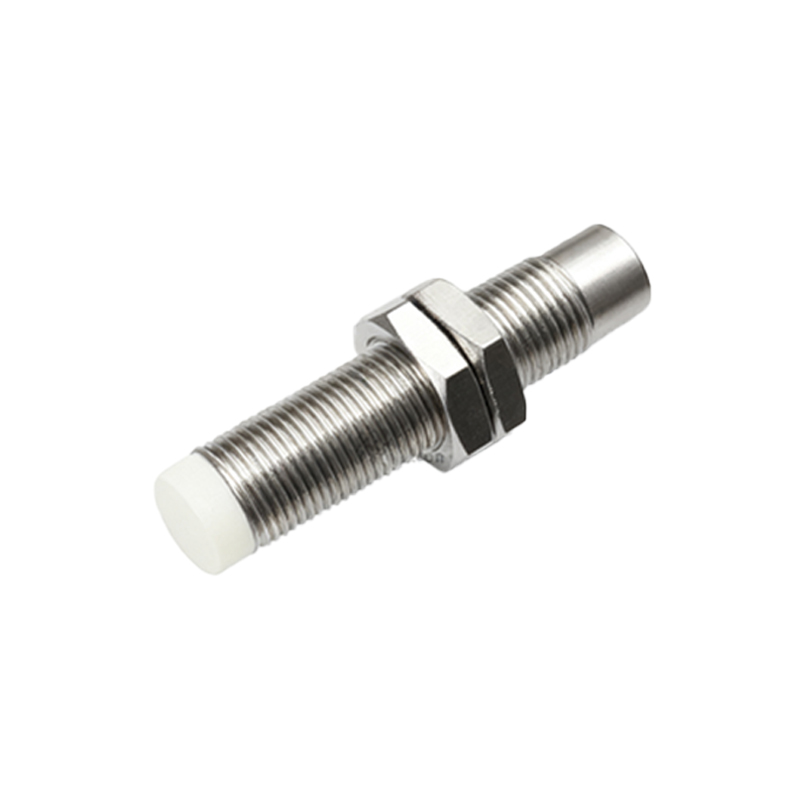
Inductive proximity sensors are among the most common and cost-effective options for detecting metallic objects. Prices typically start from $15 for basic, short-range models in standard housing. More advanced models with extended sensing ranges (e.g., up to 60mm), higher switching frequencies, or specialized housings (such as stainless steel for harsh environments) can range from $30 to $100 per unit. Brands like Omron, Schneider Electric, and Sick offer reliable series in this category, with bulk purchases often reducing the per-unit cost by 10-20%.
Capacitive proximity sensors, capable of detecting both metallic and non-metallic materials like liquids, plastics, or wood, generally carry a higher price tag. Entry-level capacitive sensors start around $20-$25, while models with adjustable sensitivity, temperature compensation, or enhanced noise immunity can cost between $40 and $150. These sensors are crucial in food processing, packaging, and material level detection industries.
Ultrasonic proximity sensors, used for precise distance measurement and object detection over longer ranges, represent a higher investment. Basic ultrasonic sensors begin at approximately $50, but sophisticated versions with analog outputs, background suppression, or robust environmental protection (IP67/IP69K ratings) may reach $200 to $500. Applications include parking assistance systems, liquid tank level monitoring, and complex assembly lines.
Photoelectric sensors, including through-beam, retro-reflective, and diffuse reflective types, vary significantly in price based on technology and features. Standard diffuse reflective models can be found for $20-$40, while high-precision, fiber-optic or laser-based versions for cleanrooms or minute object detection may exceed $300. Key manufacturers like Banner Engineering, Keyence, and Panasonic provide extensive portfolios catering to diverse budgets.
Magnetic proximity sensors (reed switches or Hall-effect sensors) are typically the most economical, with prices as low as $5 to $20 per unit. They are widely used in security systems, door position sensing, and low-cost consumer appliances.
Several factors drive the final price of a proximity sensor:
1. Sensing Range and Accuracy: Longer ranges and higher precision increase cost.
2. Environmental Ratings: Sensors with IP67, IP69K, or NEMA ratings for dust, water, or chemical resistance are more expensive.
3. Output Type: Simple digital outputs (PNP/NPN) are cheaper; analog outputs (4-20mA, 0-10V) or IO-Link communication add cost.
4. Brand and Support: Established brands command premium prices but offer reliability, certification, and technical support.
5. Order Quantity: Volume discounts are common in industrial procurement.
In summary, proximity sensor prices reflect their technology, performance, and durability. For standard industrial automation, inductive sensors offer the best value at $15-$100. Capacitive and photoelectric sensors fill specialized needs at $20-$300+, while ultrasonic sensors serve high-accuracy applications from $50 to $500. Buyers should balance initial cost against long-term reliability, maintenance, and suitability for the operating environment to achieve optimal return on investment. Regularly comparing supplier quotes and considering total cost of ownership is advisable in procurement planning.