Proximity sensors are ubiquitous yet often invisible components that silently enhance our interaction with technology and automate complex industrial tasks. Unlike other sensors that might measure specific values like temperature or pressure, their primary function is simple: to detect the presence or absence of an object within a defined range without any physical contact. This non-contact operation makes them incredibly reliable, durable, and suitable for a vast array of environments. But where exactly are these sensors hiding in plain sight, and where are they deployed in more specialized fields?
Let's start with the device in your pocket or on your desk: your smartphone. One of the most common applications of a proximity sensor is right there, usually located near the earpiece at the top of the screen. During a phone call, this sensor detects when you bring the phone close to your ear. It then automatically turns off the touchscreen display to prevent accidental cheek-presses (like muting the call or dialing extra numbers) and conserves battery power. When you move the phone away, the screen instantly lights up again. This seamless interaction is a perfect example of a proximity sensor improving user experience.
Moving to the home, modern appliances are increasingly equipped with these sensors. Many automatic faucets and soap dispensers in public or home restrooms use infrared proximity sensors to detect hands, triggering water flow or soap release. This promotes hygiene and reduces waste. Some advanced kitchen faucets offer the same hands-free convenience. In home automation, proximity sensors can be found in lighting systems that turn lights on when someone enters a room and off when the room is vacant. Robotic vacuum cleaners rely on an array of sensors, including proximity types (often infrared or ultrasonic), to map rooms and avoid collisions with furniture, walls, and stairs.
The automotive industry is a major user of proximity sensing technology. Modern vehicles incorporate them extensively for safety and convenience. Parking sensors, typically ultrasonic, are embedded in the front and rear bumpers. They emit sound waves and measure the echo to calculate the distance to obstacles, providing audible or visual warnings to the driver. More advanced systems use this data for semi-autonomous parking. Another critical application is in blind-spot monitoring systems, which use radar-based proximity sensors to detect vehicles in adjacent lanes that may not be visible in the side mirrors. Some luxury vehicles even feature hands-free tailgates that open when a foot motion is detected under the rear bumper, a function enabled by a proximity sensor.
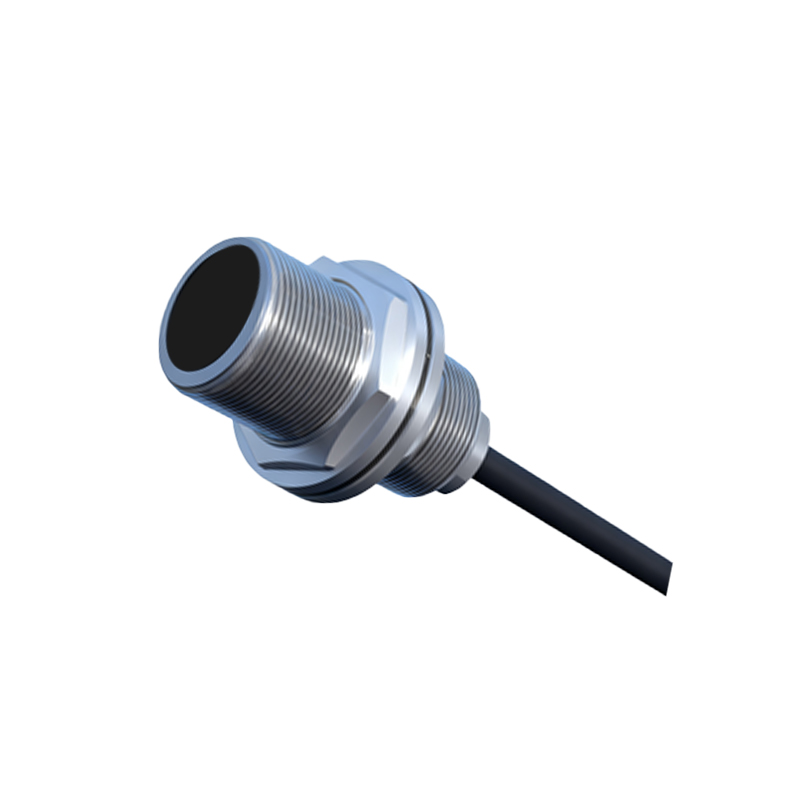
In the realm of retail and public spaces, automatic sliding doors are the classic example. These doors use active infrared or microwave sensors to detect a person approaching, commanding the door to open. Similarly, ticket gates in subways and train stations often use sensors to detect passengers and control gate mechanisms. Vending machines may use them to sense a customer's presence to activate the display or payment interface.
The industrial and manufacturing sector is where proximity sensors truly showcase their robustness and precision. Here, they are fundamental to automation, quality control, and safety. Inductive proximity sensors, which detect metallic objects, are mounted on assembly lines to count products, verify the presence of components, or determine the position of metal parts. For example, they can confirm a bottle cap is properly sealed or that a metal gear is in the correct orientation before the next assembly step. Photoelectric sensors, another major category, use light beams to detect objects of any material and are used for more precise positioning, sorting on high-speed conveyor belts, or checking fill levels in transparent containers.
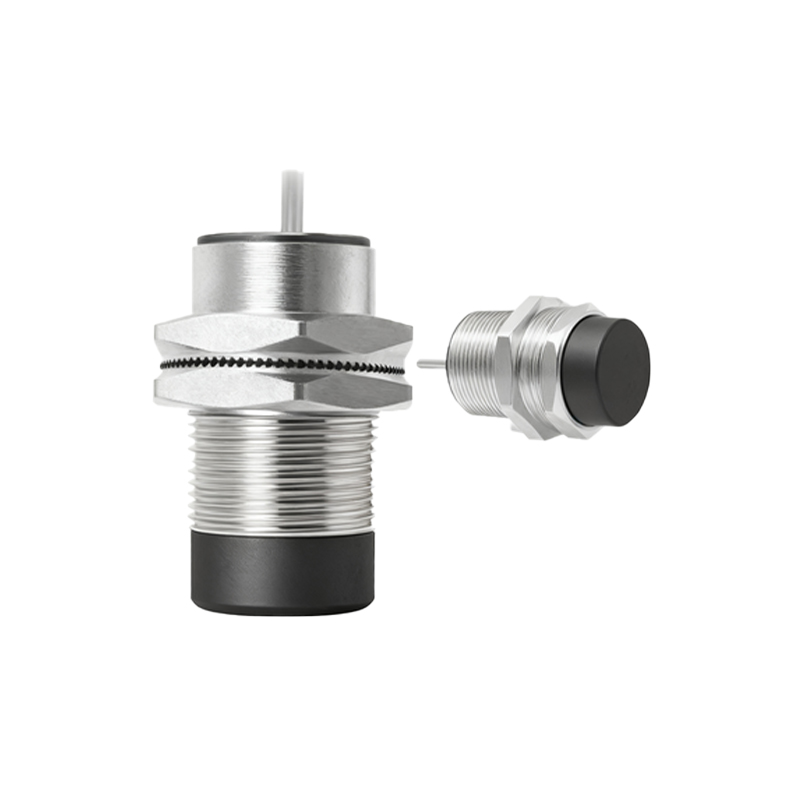
In hazardous environments, the non-contact nature of these sensors is invaluable. They can monitor the position of machinery parts in high-temperature areas where physical contact sensors would fail. Safety systems on factory floors often use safety light curtains—arrays of photoelectric beams—to create an invisible barrier. If a beam is broken by a worker's hand entering a dangerous zone, the machinery is instantly shut down.
Even in aerospace and aviation, proximity sensors play vital roles. They are used for landing gear position confirmation, detecting the deployment of flaps, and ensuring cargo doors are securely closed. Their reliability is non-negotiable in these critical applications.
From the subtle convenience in a smartphone to the rigorous demands of an automotive assembly line, proximity sensors are integral to modern functionality. They operate in the background, making our devices smarter, our homes more efficient, our cars safer, and our factories more productive. Their placement is always strategic, designed to solve a specific detection problem reliably and without wear. So next time your phone screen dims during a call, or a door slides open as you approach, you'll know there's a small, powerful sensor quietly at work.