In the world of industrial automation and electronic control systems, the terms "proximity switch" and "sensor" are frequently used, often leading to confusion. Are they the same thing? Is a proximity switch a type of sensor? To answer this clearly, we must delve into their definitions, operational principles, and applications.
At its core, a sensor is a broad category of devices that detect or measure a physical property and record, indicate, or otherwise respond to it. Sensors convert physical parameters like temperature, pressure, light, or presence into an electrical signal that can be interpreted by a control system. Examples include thermocouples, photodiodes, and pressure transducers.
A proximity switch, specifically, is a device that detects the presence or absence of an object within a certain range without any physical contact. It operates based on various physical principles. The most common types are:
1. Inductive Proximity Switches: Detect metallic objects by generating an electromagnetic field. When a metal object enters this field, it causes a change that the switch detects, triggering an output signal.
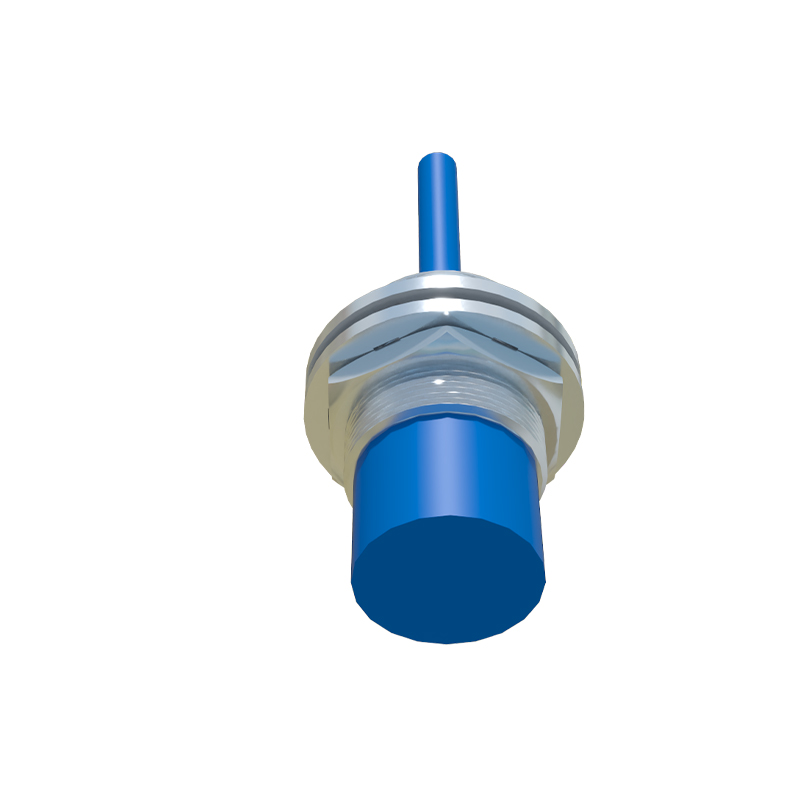
2. Capacitive Proximity Switches: Can detect both metallic and non-metallic objects (like plastic, wood, or liquid) by sensing changes in capacitance when an object enters its electrostatic field.
3. Ultrasonic Proximity Switches: Use sound waves beyond human hearing to detect objects and can often measure distance as well.
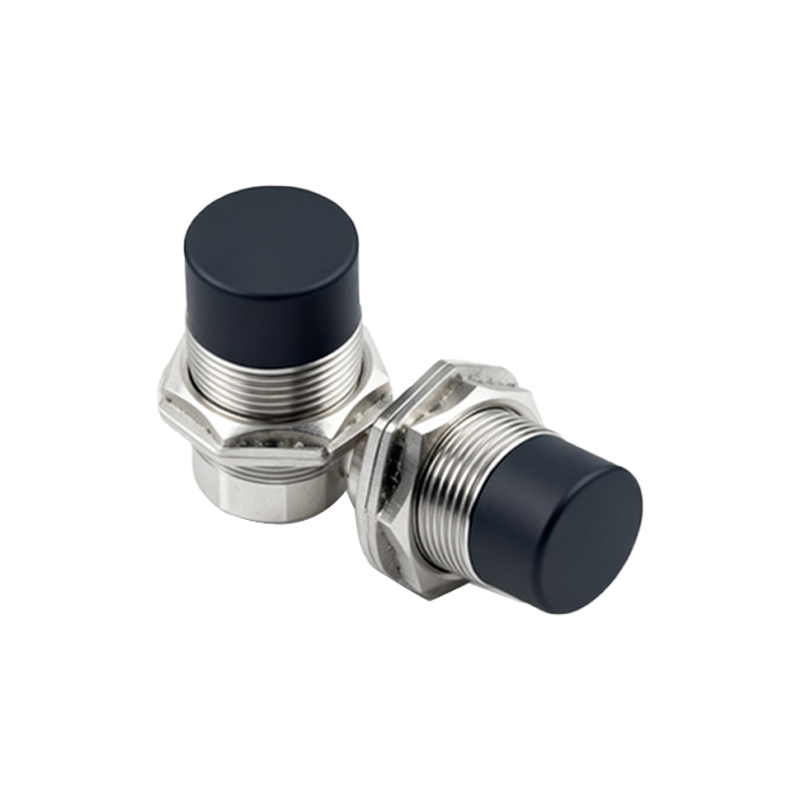
4. Photoelectric (Optical) Proximity Switches: Use a beam of light (visible or infrared) to detect the interruption or reflection caused by an object.
The key function of a standard proximity switch is to act as a digital on/off device. Its output is typically a simple binary signal: "object present" (switch ON) or "object absent" (switch OFF). This output is used to control other processes—starting a motor, counting items on a conveyor belt, opening a door, or providing a safety interlock.
So, is a proximity switch a sensor? Yes, absolutely. A proximity switch is a specialized subset of sensors. It is a presence sensor with a built-in switching function. The "sensor" part is the component that physically detects the object (via electromagnetic fields, capacitance, etc.). The "switch" part refers to its output stage, which is designed to directly interface with control circuits, often replacing traditional mechanical limit switches.
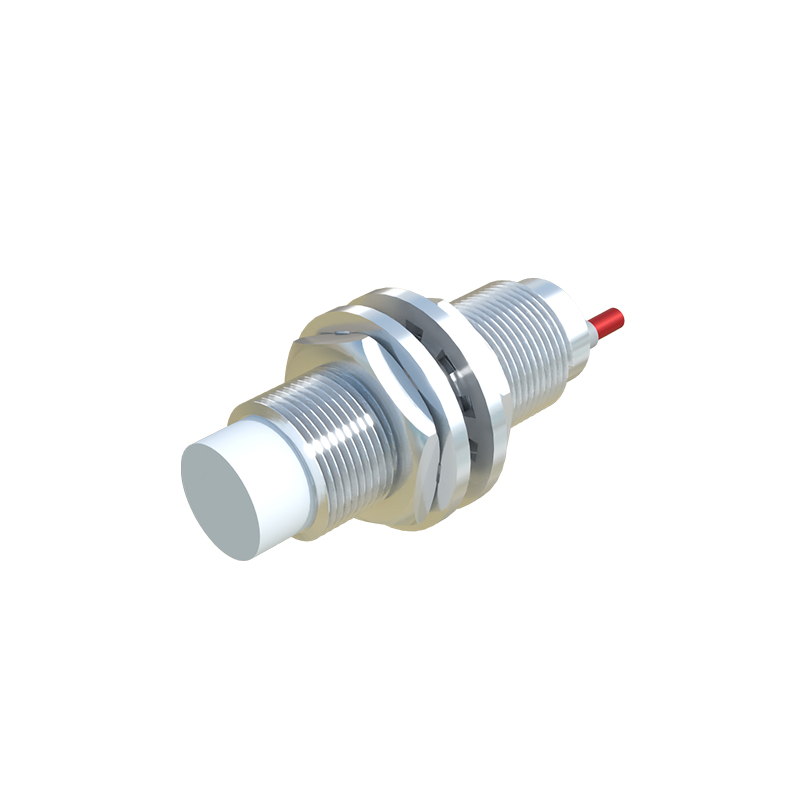
The primary distinction lies in the output and application intent. While all proximity switches are sensors, not all sensors are proximity switches. For instance, a temperature sensor provides a continuous analog signal representing a range of temperatures, whereas a typical proximity switch provides a discrete digital signal for object detection. However, modern devices blur this line. Many "proximity sensors" offer analog outputs proportional to distance, and many "proximity switches" come with configurable outputs.
In practical applications, the choice of terminology often depends on industry context. On a factory floor, an engineer might call it a "prox switch" emphasizing its control role. In a system design document, it might be listed as a "non-contact presence sensor" highlighting its sensing methodology. For search engines and technical catalogs, both terms are used interchangeably because the fundamental technology is the same.
Understanding this is crucial for selecting the right component. If you need to know if an object is there to trigger an action, a proximity switch is the perfect sensor for the job. If you need to know how far away an object is continuously, you might look for an analog output proximity sensor or a dedicated distance measuring sensor.
In conclusion, a proximity switch is unequivocally a type of sensor. It is a non-contact sensor designed specifically for detecting the presence of an object and providing a robust switched output. Its integration of sensing and switching into a single, reliable package has made it indispensable in automated manufacturing, automotive assembly, packaging, and countless other fields where efficient, wear-free detection is required. The next time you see one, you can confidently identify it as a sensor performing a critical switching task.