In the world of industrial automation and smart systems, proximity switches and sensors are the silent, indispensable sentinels. They operate without physical contact, detecting the presence or absence of objects, and have become fundamental components in manufacturing, automotive, aerospace, and consumer electronics. While often used interchangeably in casual conversation, there are nuanced distinctions and a vast array of technologies underpinning these devices.
At its core, a proximity sensor is a device that detects the presence of a nearby object without any physical contact. It typically outputs a signal, which can be analog (indicating distance) or digital (on/off). A proximity switch is generally considered a subset—a type of proximity sensor with a binary digital output designed to act as a switch in a control circuit. When an object enters its detection field, it "switches" the output state, triggering an action like stopping a conveyor belt, counting items, or activating a robotic arm.
The technology behind these devices is diverse, each suited to specific materials, environments, and precision requirements. Inductive proximity sensors are among the most common. They generate an electromagnetic field and detect changes caused by metallic objects entering that field. Robust, reliable, and unaffected by dust or dirt, they are workhorses in metal machining, automotive assembly, and machine tooling. However, they are ineffective for detecting non-metallic materials.
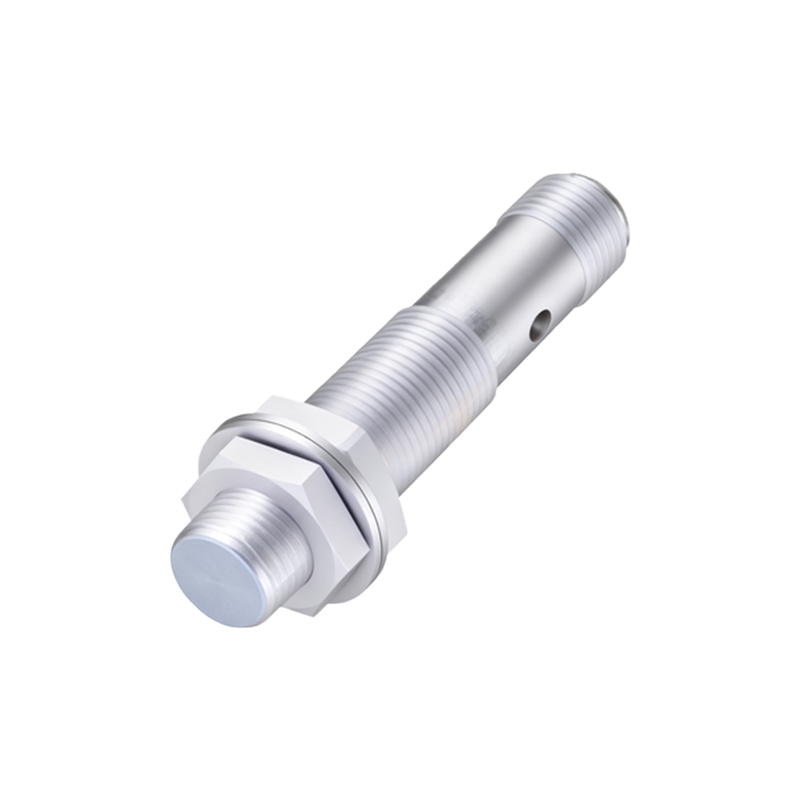
For applications requiring detection of all material types, including liquids, glass, wood, and plastic, capacitive proximity sensors are the go-to choice. They work by sensing changes in capacitance caused by the dielectric properties of a target object. This makes them ideal for level detection in tanks, material handling of non-metals, and touch-sensitive interfaces. Their sensitivity can often be adjusted, but they can be influenced by environmental factors like humidity.
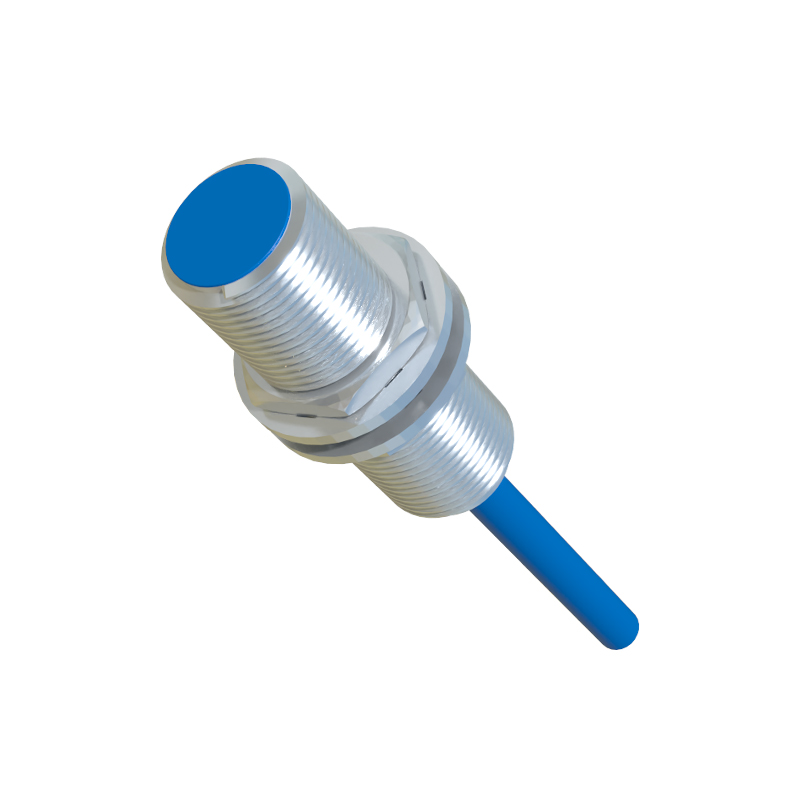
In environments where long-range detection or precise positioning is critical, photoelectric sensors excel. These devices use a light emitter (usually LED or laser) and a receiver. They can be configured in through-beam, retro-reflective, or diffuse (proximity) modes. The diffuse mode, where the sensor detects light reflected directly from the target, functions as a true proximity sensor. Photoelectric sensors are versatile for packaging, material handling, and pharmaceutical applications but can be challenged by highly reflective or transparent objects and ambient light interference.
Ultrasonic proximity sensors use sound waves beyond human hearing. They emit ultrasonic pulses and measure the time for the echo to return, calculating distance. Excellent for detecting objects regardless of color, transparency, or material, they are used for liquid level control, distance measurement, and presence detection in harsh environments where optical sensors might fail due to dust or fog.
Selection criteria for proximity switches and sensors extend beyond technology type. Key parameters include sensing range, which must be chosen with a safety margin; response frequency, crucial for high-speed counting; output type (NPN/PNP for DC, or NO/NC contacts); environmental ratings like IP (Ingress Protection) for dust and water resistance; and housing material to withstand physical impact or chemical exposure. Proper installation is also vital, ensuring the sensor is not affected by mutual interference from other devices, electrical noise, or the presence of background metals for inductive types.
The applications are virtually limitless. In automotive manufacturing, inductive sensors ensure robotic welders are in position. In food and beverage, capacitive sensors control liquid levels in stainless steel vats. Photoelectric sensors count boxes on high-speed conveyors. Ultrasonic sensors guide autonomous mobile robots in warehouses. In consumer devices, miniature capacitive sensors enable touchless faucets and smartphone screen auto-brightness adjustment.
Looking ahead, the integration of IO-Link and other smart communication protocols is transforming standard proximity sensors into intelligent data points on the Industrial Internet of Things (IIoT) network. They can now transmit not just a switch signal, but also diagnostic data like operating temperature, signal strength, and calibration warnings, enabling predictive maintenance and finer process optimization.
In conclusion, proximity switches and sensors are far from simple on/off devices. They represent a sophisticated family of technologies that form the essential sensory layer of modern automation. Understanding their principles, variations, and application requirements is key to designing systems that are efficient, reliable, and intelligent. Their continued evolution towards miniaturization, intelligence, and robustness will further drive innovation across every industrial sector.