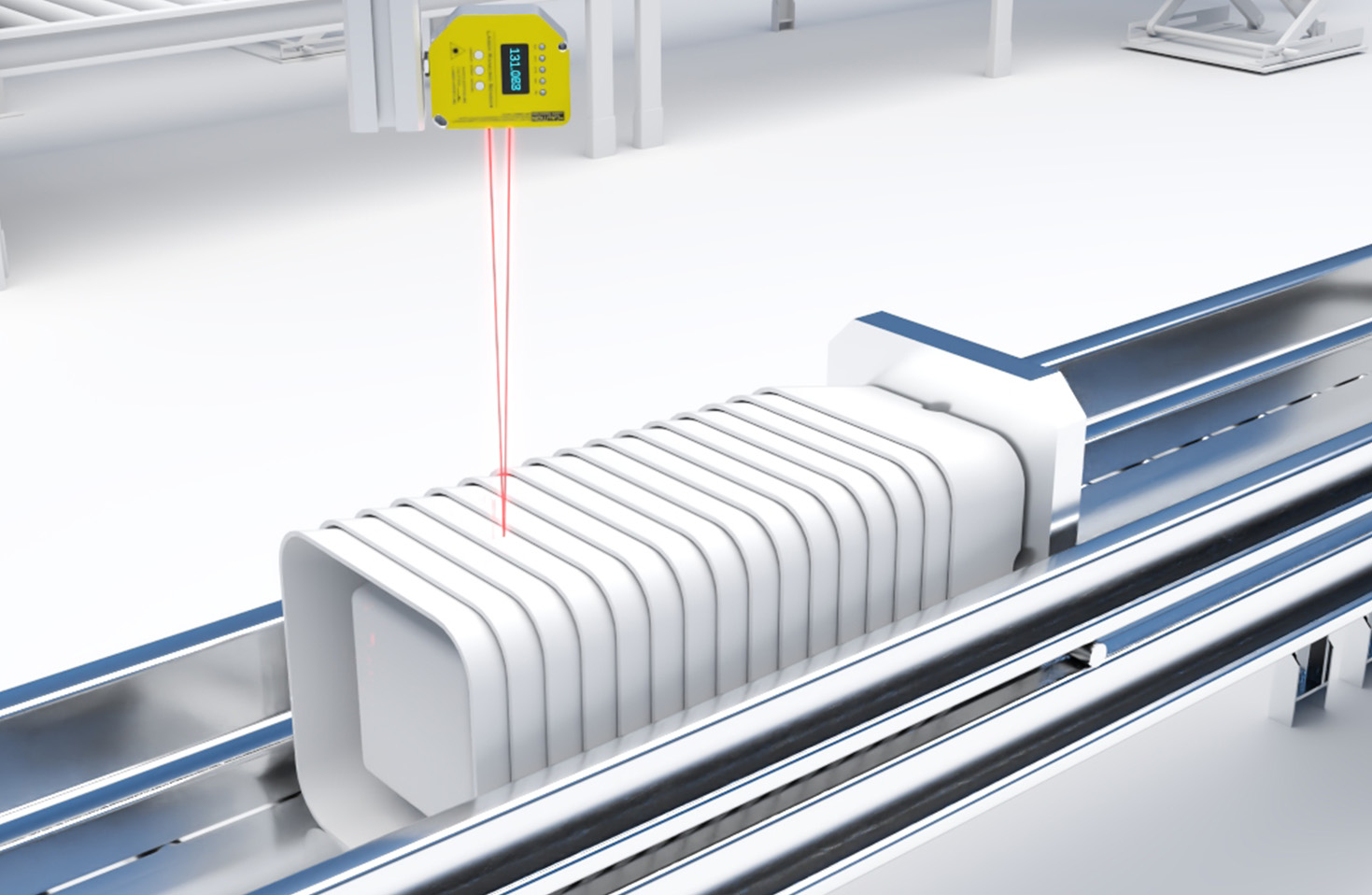
In the modern industrial landscape, the precision monitoring of paper rolls is critical for ensuring efficiency, quality, and safety across sectors such as printing, packaging, and paper manufacturing. Traditional methods of measurement, including manual inspection or contact-based sensors, often fall short in terms of accuracy, speed, and reliability. This is where advanced laser sensors emerge as a transformative solution, offering non-contact, high-resolution capabilities that redefine process control.
Laser sensors operate on the principle of triangulation or time-of-flight measurement. In triangulation-based systems, a laser diode projects a focused beam onto the surface of a paper roll. The reflected light is captured by a receiver at a known angle, and the displacement is calculated to determine parameters like diameter, width, or surface defects. Time-of-flight sensors measure the round-trip time of laser pulses to gauge distance, ideal for larger roll stacks. These technologies enable real-time, continuous monitoring without physical contact, eliminating risks of material damage or wear.
Key applications include diameter control during winding and unwinding processes, where maintaining consistent tension prevents breaks and ensures uniform roll density. Laser sensors detect minute variations, allowing automated systems to adjust speed or tension accordingly. They also monitor edge position to prevent misalignment in web-fed machinery, crucial for high-speed printing presses. Additionally, surface inspection sensors identify flaws such as scratches, holes, or contaminants, enabling early intervention to reduce waste. In warehouse management, laser-based systems measure roll dimensions for inventory tracking and automated handling, enhancing logistics efficiency.

The benefits of integrating laser sensors are manifold. They provide sub-millimeter accuracy even in harsh environments with dust, vibration, or temperature fluctuations, thanks to robust enclosures and advanced filtering algorithms. Their non-contact nature minimizes maintenance and extends operational lifespan. Real-time data integration with PLCs (Programmable Logic Controllers) or SCADA (Supervisory Control and Data Acquisition) systems facilitates predictive maintenance, reducing downtime. Moreover, energy-efficient designs contribute to sustainable operations by optimizing material usage and reducing scrap rates.
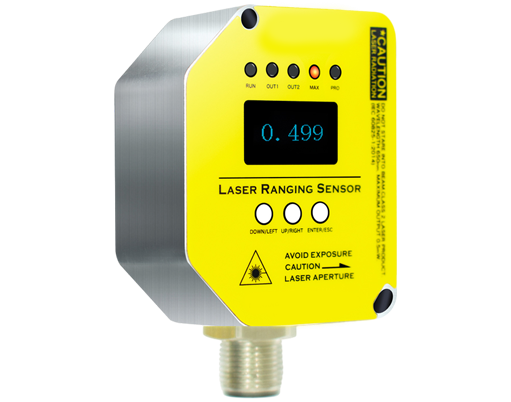
When selecting laser sensors for paper roll applications, factors like measurement range, resolution, response time, and environmental ratings (e.g., IP67 for dust and water resistance) must be considered. For instance, in high-speed coating lines, sensors with fast response times (microseconds) are essential to keep pace with production. Compatibility with industry protocols like IO-Link or Ethernet/IP ensures seamless connectivity. Regular calibration and cleaning of optics are recommended to maintain accuracy, though many modern sensors feature self-diagnostic functions to alert operators to potential issues.
In conclusion, laser sensors represent a cornerstone of Industry 4.0 in the paper and related industries. By delivering precise, reliable data, they empower automation, enhance product quality, and drive cost savings. As technology evolves, innovations like AI-enhanced sensor fusion or miniaturized designs promise even greater capabilities, solidifying the role of laser sensing in future-proof industrial ecosystems.