In the realm of industrial automation and electronic control systems, infrared proximity switch sensors stand as pivotal components, enabling non-contact detection and precise control. These sensors operate on the principle of infrared light emission and reception, offering reliable performance in diverse and often challenging environments. Unlike mechanical switches, they eliminate physical wear and tear, thereby enhancing system longevity and reducing maintenance needs.
The fundamental working mechanism involves an infrared emitter, typically an LED, that projects an invisible infrared beam. When an object enters the sensor's detection range, it reflects part of this beam back to a phototransistor or photodiode receiver within the sensor. The sensor's internal circuitry then processes this signal change to trigger a switching action—either opening or closing an electrical circuit. This process allows for the detection of objects regardless of their material, color, or surface texture, although highly reflective or absorbent surfaces can influence sensing distance and accuracy. Key specifications include sensing distance, response time, output type (e.g., NPN, PNP, or analog), and environmental ratings such as IP67 for dust and water resistance.
Applications of infrared proximity sensors are extensive across industries. In manufacturing assembly lines, they are used for object counting, position verification, and jam detection. Robotics relies on them for obstacle avoidance and precise limb positioning. Automotive systems incorporate these sensors for seat occupancy detection and automated door controls. Furthermore, consumer electronics, like smartphones and tablets, utilize miniaturized versions for touchless gesture recognition and screen blanking during calls. The choice between diffuse, retro-reflective, and through-beam types depends on the specific application: diffuse sensors detect objects directly, retro-reflective types use a reflector for longer ranges, and through-beam models offer the highest accuracy with separate emitter and receiver units.
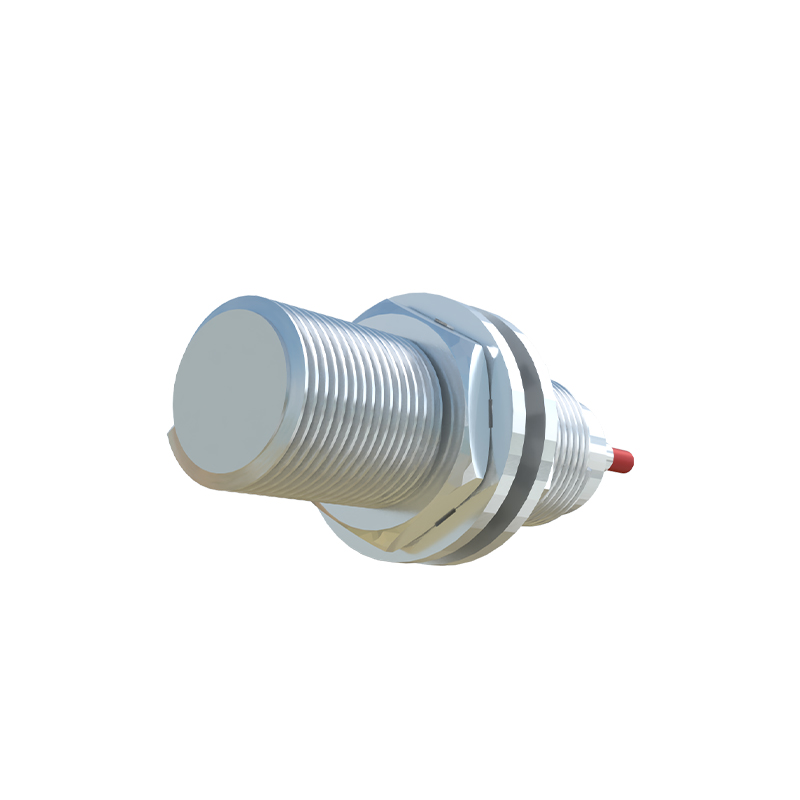
Selecting the appropriate infrared proximity sensor requires careful consideration of several factors. First, define the required sensing distance and ensure it accounts for potential environmental interferences like ambient light or dust. The response time must align with the speed of the automated process to prevent delays. Output configuration should match the control system's input requirements—for instance, PLCs often interface with NPN or PNP outputs. Environmental conditions dictate the need for robust housings; harsh settings may necessitate sensors with high IP ratings or specialized coatings to withstand oils, chemicals, or extreme temperatures. Additionally, factors like supply voltage, mounting style, and connection type (e.g., cable or connector) play crucial roles in seamless integration.
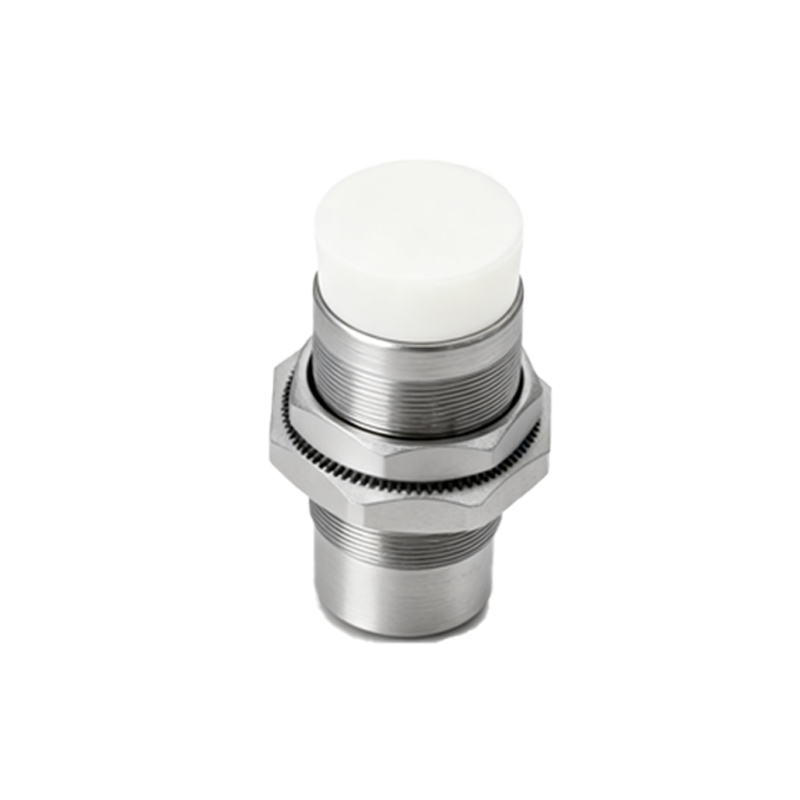
Installation and maintenance best practices are essential for optimal performance. Ensure proper alignment between the sensor and target, avoiding obstructions in the detection path. Regular cleaning of the lens prevents false triggers from dirt accumulation. Calibration might be needed for adjustable sensors to fine-tune sensitivity. Troubleshooting common issues, such as inconsistent detection, often involves checking for power supply stability, environmental interference, or lens contamination.
In summary, infrared proximity switch sensors are indispensable in modern automation, offering versatility, durability, and precision. By understanding their operational principles, applications, and selection criteria, engineers can effectively leverage these devices to enhance system efficiency and reliability. As technology advances, we anticipate further innovations in miniaturization, smart sensing capabilities, and integration with IoT platforms, paving the way for more intelligent and adaptive industrial ecosystems.