In the realm of industrial automation and smart systems, proximity sensors stand as fundamental components, enabling non-contact detection and measurement with remarkable precision and reliability. These devices, often unseen yet integral, form the sensory backbone of countless applications, from assembly lines and robotic arms to consumer electronics and automotive safety systems. This article delves into the core principles, diverse types, key applications, and critical selection factors for proximity sensors, providing a comprehensive overview for engineers and technical decision-makers.
At its essence, a proximity sensor is a device that detects the presence or absence of an object within a specified range without any physical contact. It achieves this by emitting a field or beam of electromagnetic radiation (like infrared light or a magnetic field) and analyzing the changes in the return signal or the field itself when an object interrupts or influences it. This non-contact nature is its primary advantage, eliminating mechanical wear, allowing for high-speed operation, and enabling use in harsh environments where physical touch is impractical or damaging.
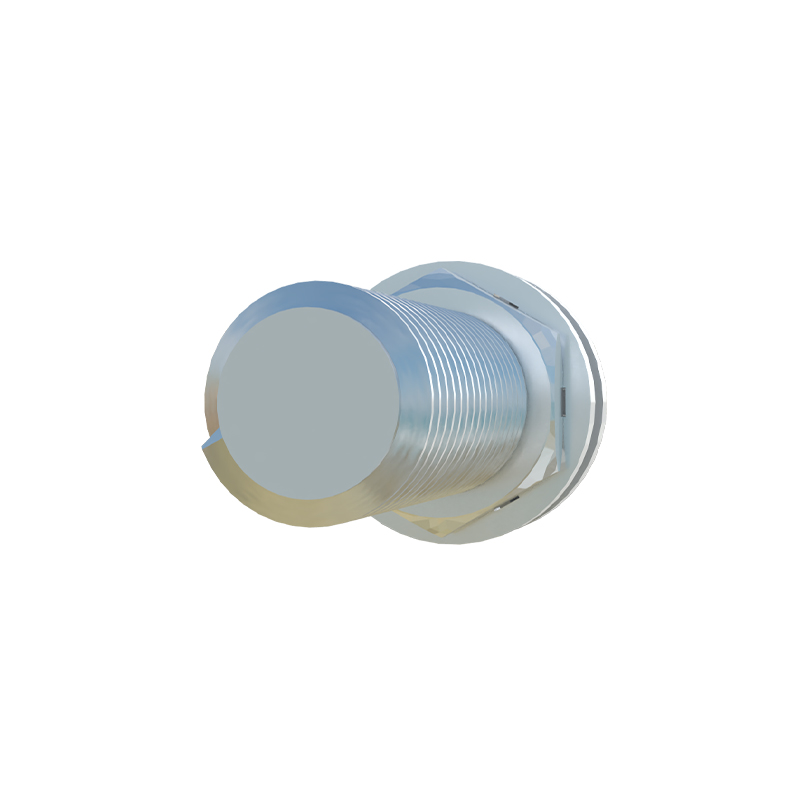
The landscape of proximity sensors is primarily defined by their underlying technology. The most prevalent types include:
1. Inductive Proximity Sensors: These sensors generate an oscillating electromagnetic field. When a metallic object (ferrous or non-ferrous) enters this field, it induces eddy currents within the object, causing a change in the oscillation amplitude. The sensor detects this change and triggers an output signal. They are ideal for detecting metals and are highly robust against environmental factors like dust, oil, and moisture. Common applications include part counting on conveyor belts, position sensing of machine tool components, and limit switching.
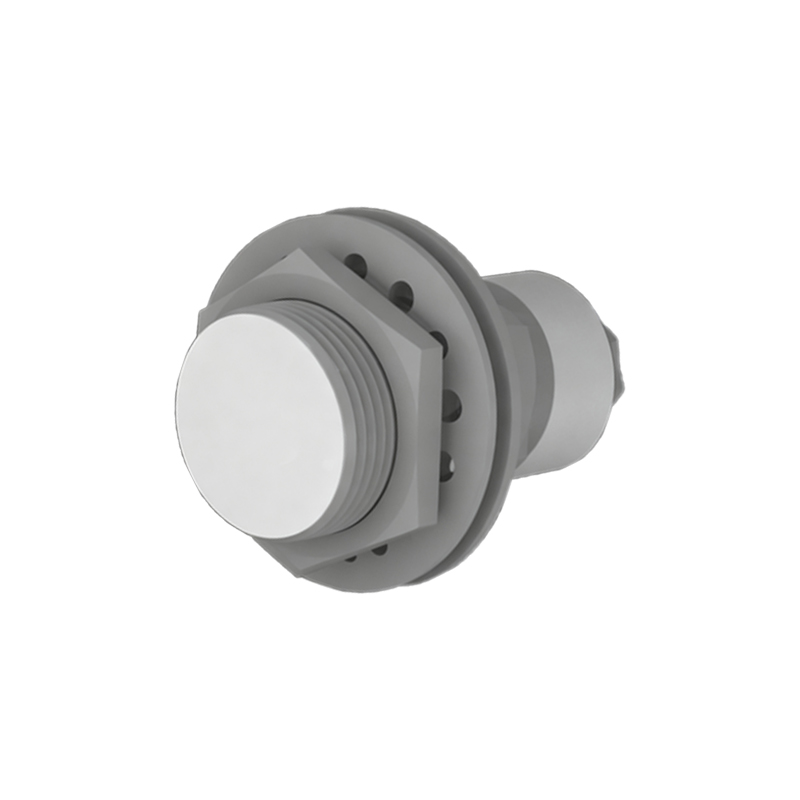
2. Capacitive Proximity Sensors: These sensors function by generating an electrostatic field. Any object, metallic or non-metallic (plastics, wood, liquids, granules), that enters this field alters the capacitance of the system. The sensor detects this capacitance change. This makes them versatile for detecting a wide range of materials, including level sensing of liquids or powders through container walls, and presence detection of non-metallic objects.
3. Photoelectric Sensors: Utilizing a light emitter (usually LED) and a receiver, these sensors detect objects based on the interruption or reflection of a light beam. They offer the longest sensing ranges among standard proximity sensors. Variants include through-beam (separate emitter and receiver), retro-reflective (uses a reflector), and diffuse reflective (sensor and target act as the reflector). Applications are vast, including object detection on packaging lines, bottle counting, and web break detection.
4. Ultrasonic Sensors: These sensors emit high-frequency sound waves and evaluate the echo reflected back from a target. By calculating the time interval between sending the signal and receiving the echo, they can determine the distance to the object. They are excellent for detecting objects of virtually any material, shape, or color, and are used in distance measurement, liquid level control, and palletizing.
5. Magnetic Proximity Sensors (Reed Switches/Hall Effect): These detect the presence of a permanent magnet. Reed switches use ferromagnetic reeds that contact each other in a magnetic field. Hall Effect sensors produce a voltage proportional to the magnetic field strength. They are commonly used for detecting the position of cylinders (with embedded magnets) and in safety door interlocks.
Selecting the appropriate proximity sensor for an application requires careful consideration of several parameters:
Target Material: Is the object metallic, non-metallic, liquid, or transparent? This dictates the choice between inductive, capacitive, or photoelectric types.
Sensing Distance: The required operating distance or range from the sensor face to the target.
Output Type: Digital (PNP/NPN switching) or analog (4-20mA, 0-10V) outputs are available to interface with PLCs (Programmable Logic Controllers) or other control systems.
Environmental Conditions: Factors such as temperature extremes, presence of chemicals, washdown requirements (IP rating), and electrical noise must be accounted for.
Response Time and Switching Frequency: How quickly the sensor must react and how many detection cycles per second are needed.
Size and Mounting: Physical constraints of the installation location.
In modern Industry 4.0 and IoT (Internet of Things) frameworks, proximity sensors are evolving. Smart sensors with integrated IO-Link communication provide not just a simple switch signal but also detailed diagnostic data (operating hours, temperature, signal strength), enabling predictive maintenance and deeper process insights. This connectivity transforms them from simple detection devices into valuable data points on the factory network.
In conclusion, proximity sensors are indispensable tools in automation. Their ability to provide reliable, non-contact detection across a spectrum of materials and challenging conditions makes them a cornerstone of efficient, safe, and intelligent system design. A thorough understanding of