Laser emission technology has become a cornerstone in modern sensor systems, enabling unprecedented precision, speed, and reliability across various industrial and scientific applications. At its core, a laser (Light Amplification by Stimulated Emission of Radiation) emits coherent light through the process of optical amplification. In sensors, this coherent light serves as a highly focused probe or signal carrier, allowing for accurate measurement of distance, displacement, velocity, temperature, and chemical composition.
The fundamental principle involves generating a population inversion within a gain medium—such as semiconductor diodes, gas mixtures, or solid-state crystals—which is then stimulated to emit photons in phase. This results in a narrow, monochromatic beam with low divergence, ideal for sensor applications requiring fine resolution. Key components include the pump source (electrical or optical), optical resonator, and output coupler. Advances in miniaturization and efficiency, particularly with Vertical-Cavity Surface-Emitting Lasers (VCSELs), have propelled their integration into compact sensor modules.
In industrial automation, laser-based sensors are pivotal for non-contact measurement. For instance, LiDAR (Light Detection and Ranging) systems employ pulsed laser emission to map environments in real-time, essential for autonomous vehicles and robotics. Time-of-flight sensors calculate distances by measuring the round-trip time of laser pulses, enhancing accuracy in object detection and level monitoring. Similarly, laser Doppler vibrometers utilize the Doppler effect on reflected laser light to assess vibrations in machinery, enabling predictive maintenance without physical contact.
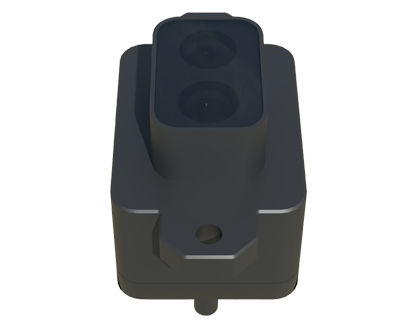
Environmental and safety monitoring also benefits significantly. Tunable diode laser absorption spectroscopy (TDLAS) sensors emit lasers at specific wavelengths to detect trace gases like methane or carbon dioxide by analyzing absorption spectra. This technology is crucial for emission control and air quality assessment. In medical devices, laser emission facilitates blood glucose monitoring and optical coherence tomography, providing non-invasive diagnostic capabilities.
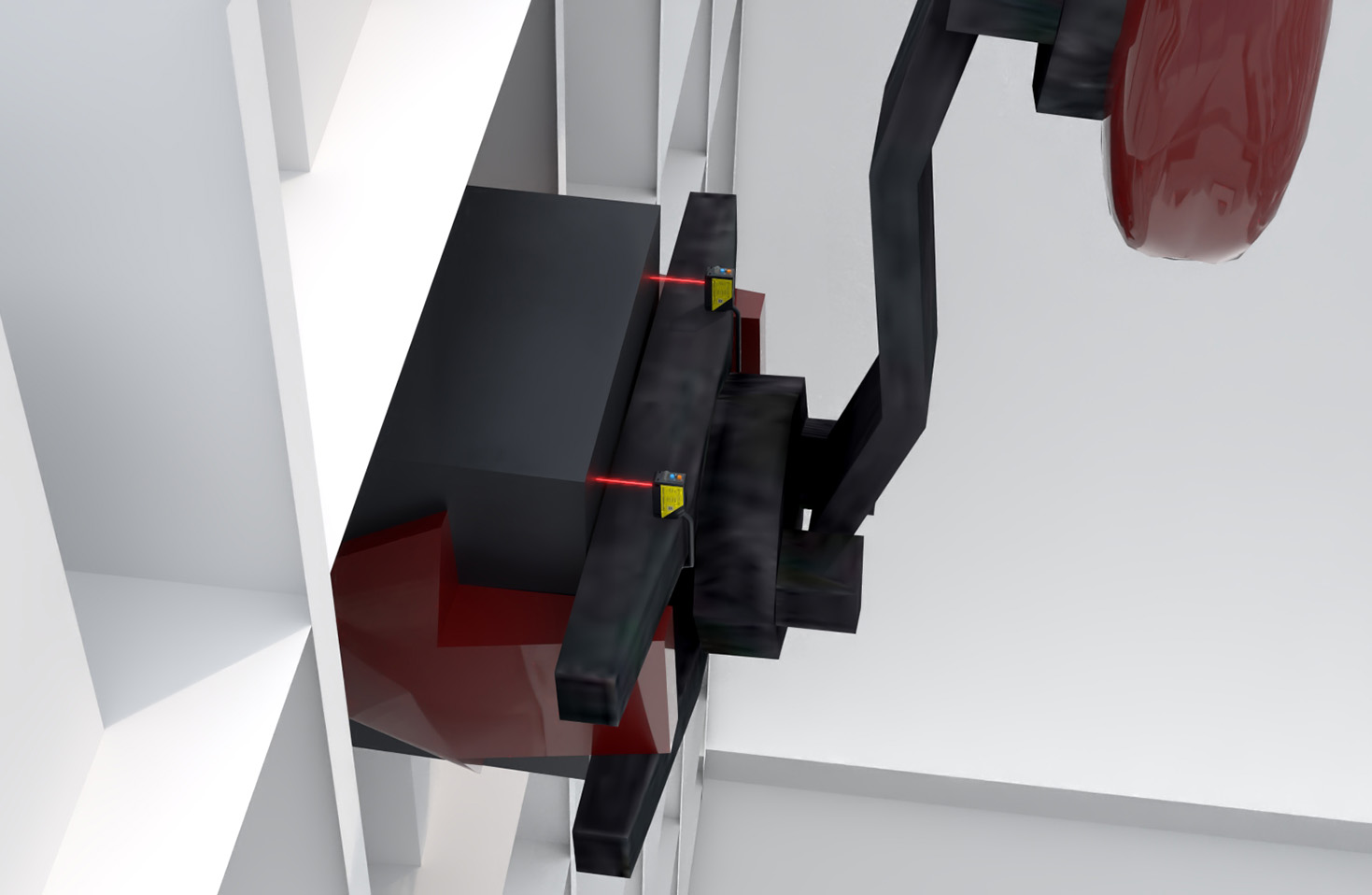
However, challenges persist, including thermal management, power consumption, and interference from ambient light. Ongoing research focuses on quantum cascade lasers for mid-infrared sensing, photonic integration for reduced costs, and adaptive optics to counteract atmospheric distortions. As the Internet of Things (IoT) expands, the demand for robust, energy-efficient laser-emitting sensors will grow, driving innovations in materials and signal processing. Ultimately, the synergy between laser technology and sensor design continues to redefine measurement boundaries, offering solutions that are both scalable and precise for tomorrow's smart systems.