In the world of industrial automation, consumer electronics, and safety systems, proximity sensors are the silent, unseen workhorses. These devices detect the presence or absence of an object within a specific range without any physical contact. Their ability to operate reliably in harsh environments, provide fast response times, and offer long operational life makes them indispensable. This article delves into the common types of proximity sensors, their working principles, key applications, and factors to consider for selection.
The fundamental principle behind most proximity sensors involves generating an electromagnetic field or a beam of radiation and then monitoring for changes in that field or the return signal. The most prevalent categories are inductive, capacitive, ultrasonic, and photoelectric sensors.
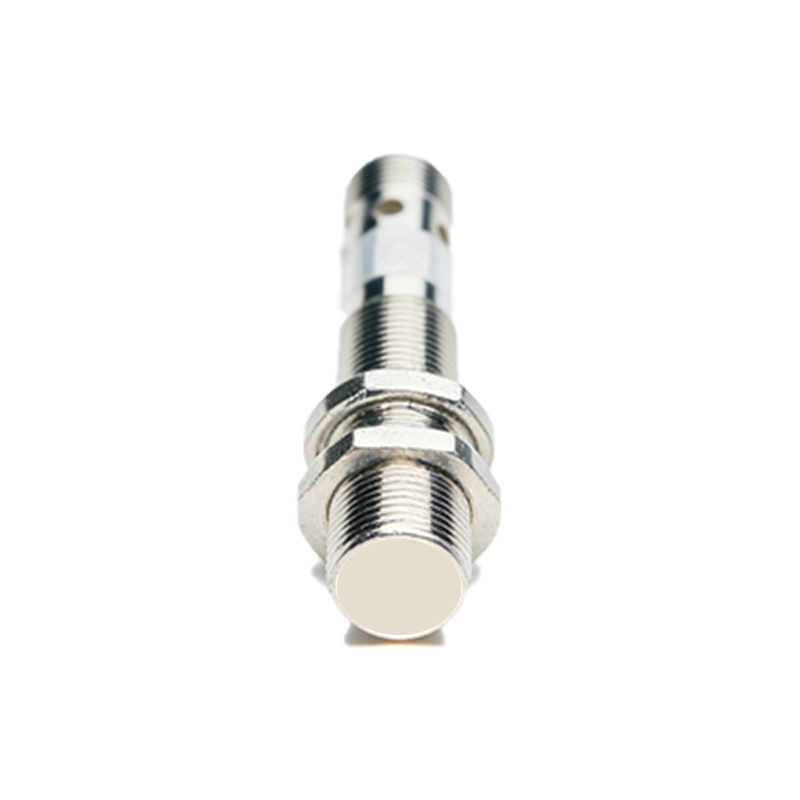
Inductive proximity sensors are widely used for detecting metallic objects. They contain a coil wound around a ferrite core connected to an oscillator. When a metal target enters the sensor's electromagnetic field, it induces eddy currents within the target, causing a change in the oscillation amplitude. This change is detected by the sensor's circuitry, which triggers a solid-state output switch. These sensors are robust, resistant to environmental factors like dust and moisture, and ideal for machine automation, such as counting metal parts, detecting piston position in cylinders, or as limit switches.
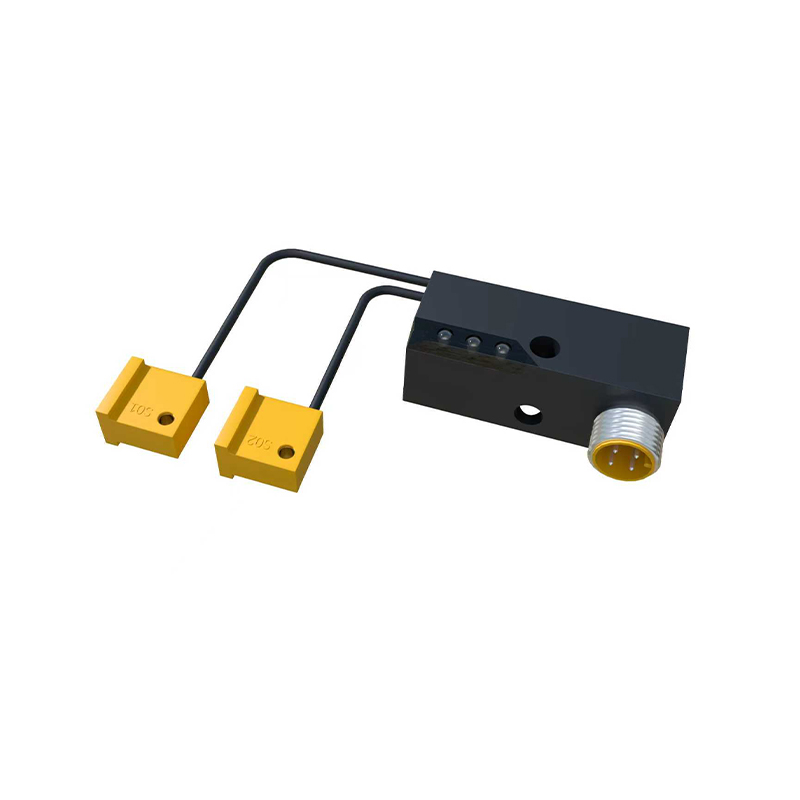
Capacitive proximity sensors, on the other hand, can detect both metallic and non-metallic materials, including liquids, powders, plastics, and wood. They function by generating an electrostatic field. When a target object enters this field, it alters the sensor's capacitance, triggering the output. This makes them versatile for applications like liquid level detection in tanks, monitoring fill levels of granular materials, or detecting the presence of glass or plastic bottles on a conveyor line. They are sensitive to environmental changes like humidity and require careful calibration.
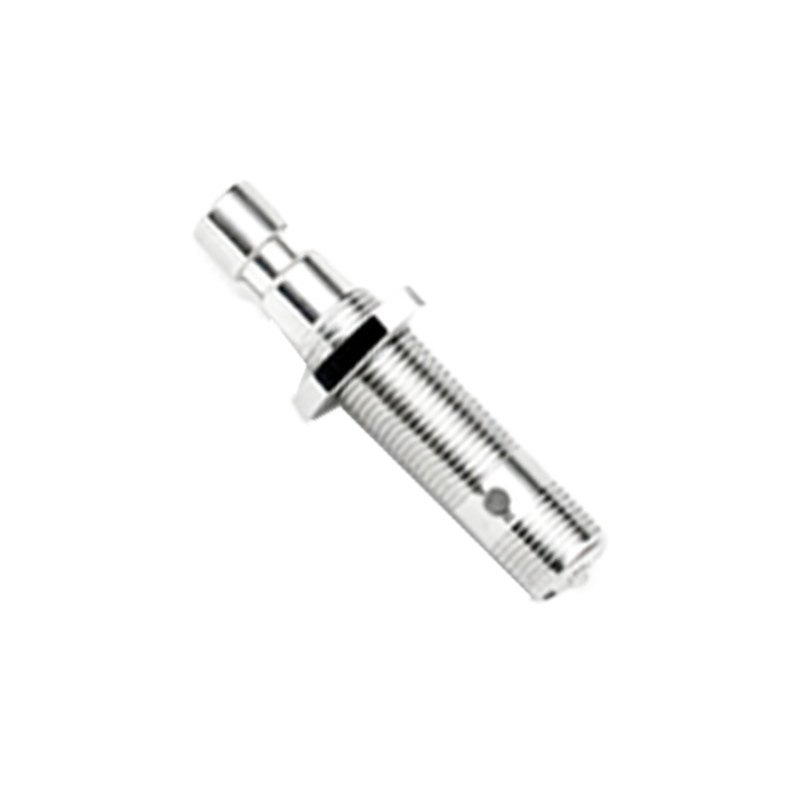
Ultrasonic sensors operate by emitting high-frequency sound waves (typically beyond human hearing) and measuring the time it takes for the echo to return. They are excellent for distance measurement and can detect objects of virtually any material, provided the surface is capable of reflecting sound. Common uses include parking assist systems in vehicles, object detection on automated guided vehicles (AGVs), and tank level sensing for corrosive or sticky liquids where contact is undesirable. Their performance can be affected by temperature, air turbulence, and soft, sound-absorbing materials.
Photoelectric sensors use light, usually infrared, visible red, or laser, to detect objects. They consist of an emitter and a receiver. There are three main operating modes: through-beam (where the object breaks a light beam between separate emitter and receiver units), retro-reflective (the object breaks a beam reflected back from a reflector), and diffuse (the sensor detects light reflected directly off the object). Photoelectric sensors offer long sensing ranges and can detect small objects. They are prevalent in packaging, material handling, and security systems. However, they can be influenced by ambient light, color, and surface reflectivity of the target.
Magnetic proximity sensors, often called reed switches or Hall-effect sensors, detect the presence of a permanent magnet. They are simple, low-cost, and used in applications like door/window security sensors, speed sensing in automotive systems, and position detection in clean environments.
Selecting the right proximity sensor requires careful analysis of several parameters. First, identify the target material (metal, plastic, liquid) and its characteristics. Second, determine the required sensing distance or range, noting that the rated sensing distance is typically defined for a standard target. The operating environment is critical—consider factors like temperature extremes, presence of chemicals, washdown requirements, and electrical noise. The output type (NPN, PNP, analog, IO-Link) must be compatible with the control system. Finally, physical characteristics like size, shape (barrel or rectangular), and connection type are important for installation.
In conclusion, proximity sensors are a diverse and critical component in modern technology. From ensuring a smartphone screen turns off when held to the ear to safeguarding heavy machinery on a factory floor, their applications are vast. Understanding the strengths and limitations of inductive, capacitive, ultrasonic, and photoelectric types is the first step toward implementing a reliable and efficient sensing solution. Proper selection based on the target, environment, and performance needs ensures optimal system functionality, reduces downtime, and enhances safety.