In the realm of industrial automation and advanced machinery, two critical components often work behind the scenes to ensure precision, safety, and efficiency: speed sensors and proximity sensors. While their names might suggest simplicity, these devices are sophisticated technologies that form the backbone of countless systems, from automotive engines to robotic assembly lines. Understanding their distinct functions, operating principles, and applications is essential for engineers, technicians, and anyone involved in modern technological systems.
Speed sensors, as the name implies, are designed to measure the rotational or linear speed of an object. The most common type is the rotary speed sensor, frequently used to monitor the revolutions per minute (RPM) of shafts, wheels, or motors. One widespread technology is the Hall-effect sensor. It operates by detecting changes in a magnetic field. A magnet is placed on the rotating target, and as it passes the sensor, it generates a voltage pulse. The frequency of these pulses is directly proportional to the rotational speed. Another prevalent type is the inductive sensor, which generates an electromagnetic field. When a ferrous metal target, like a gear tooth, interrupts this field, it induces an eddy current, causing a detectable change in the sensor's oscillation. Optical encoders represent a different approach, using a light source and a photodetector to read patterns on a rotating disk, offering extremely high resolution for precise speed and position control.
The applications of speed sensors are vast and vital. In the automotive industry, they are crucial for anti-lock braking systems (ABS), measuring wheel speed to prevent lock-up. They monitor engine crankshaft and camshaft speed for optimal fuel injection and ignition timing. In industrial settings, they regulate conveyor belt speeds, control motor drives in manufacturing equipment, and ensure the safe operation of turbines and fans by preventing overspeed conditions. Their role is fundamentally about providing real-time feedback for control systems to maintain desired operational parameters.
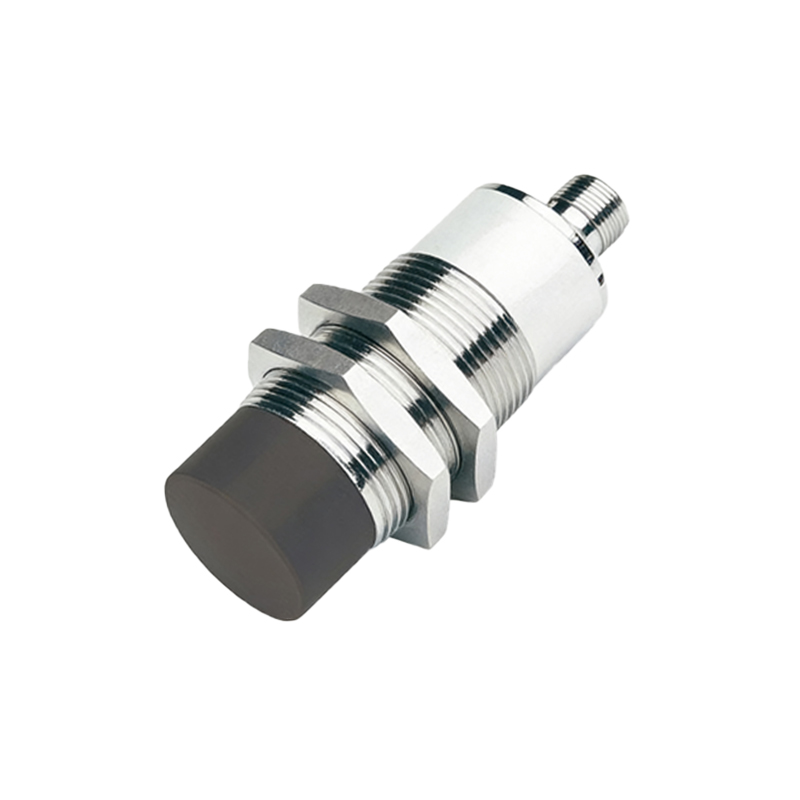
Proximity sensors, on the other hand, are non-contact devices that detect the presence or absence of an object within a specific range without any physical contact. They are categorized primarily by their sensing technology. Inductive proximity sensors are the workhorses for detecting metallic objects. They generate an oscillating electromagnetic field; when a metal object enters this field, it dampens the oscillation, triggering a switch signal. Capacitive sensors can detect both metallic and non-metallic materials, including liquids, plastics, and wood. They sense changes in capacitance caused by the presence of any material that alters the electrostatic field around the sensor's face. Ultrasonic sensors use sound waves, emitting high-frequency pulses and measuring the time for the echo to return, effectively calculating distance. Photoelectric sensors utilize a light beam (often infrared) and detect its interruption or reflection to sense an object.
The utility of proximity sensors lies in their versatility and reliability. They are indispensable for object detection in automated packaging lines, counting items on a conveyor, or ensuring a part is in the correct position before a machining operation begins. They provide vital safety functions as part of machine guarding systems, stopping equipment if a person gets too close. In the consumer electronics sphere, they deactivate smartphone touchscreens when held to the ear during a call. Their non-contact nature makes them ideal for harsh environments where dirt, moisture, or wear-and-tear would compromise mechanical switches.
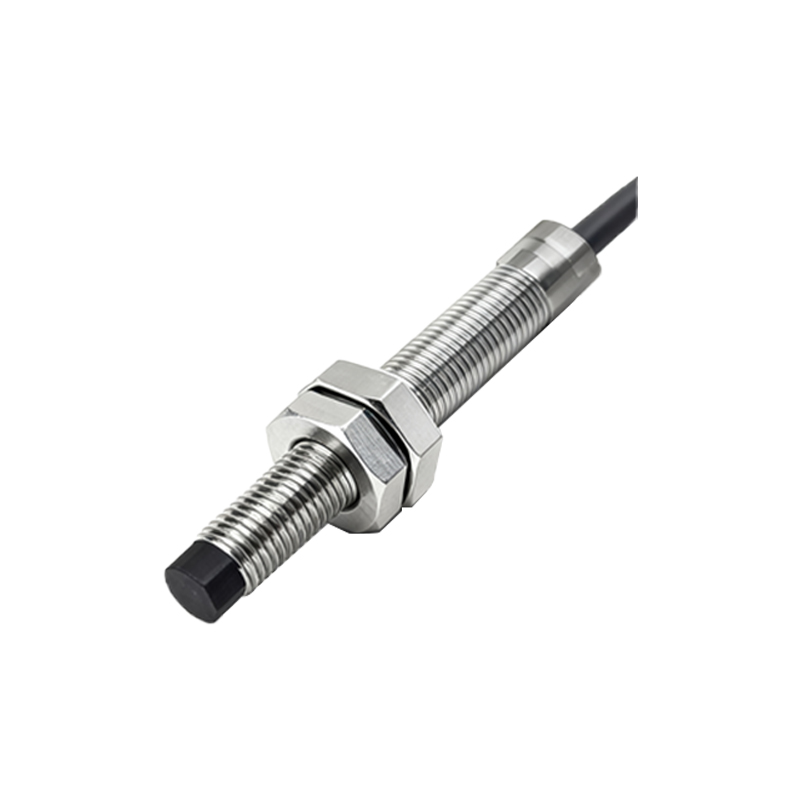
While distinct, speed and proximity sensors often collaborate within a single system. Consider a modern industrial robot. Proximity sensors might confirm the presence of a workpiece on a pallet. Once confirmed, a motor engages, and a speed sensor monitors the motor's RPM to ensure it rotates the robot's arm at the correct velocity for picking up the part. In automotive manufacturing, proximity sensors can detect if a vehicle chassis is properly positioned on an assembly line, while speed sensors ensure the conveyor moves it at the precise pace for each workstation.
Selecting the right sensor depends on a careful analysis of the application requirements. Key factors include the target material (metal, plastic, liquid), the required sensing distance, environmental conditions (temperature, dust, oil), response speed, output signal type (digital on/off or analog), and installation constraints. For instance, an inductive proximity sensor is perfect for detecting a steel gear tooth but useless for detecting a glass bottle. Similarly, an optical speed encoder provides high accuracy but may fail in a dusty environment where a rugged magnetic sensor would thrive.
The evolution of these sensors continues, driven by the demands of Industry 4.0 and the Internet of Things (IoT). Modern sensors are becoming smarter, integrating microprocessors for self-diagnostics, condition monitoring, and direct digital communication via protocols like IO-Link. This allows for predictive maintenance, where a sensor can report a gradual degradation in performance before a failure occurs, minimizing downtime. Furthermore, miniaturization and enhanced durability are expanding their use into new fields like medical devices and aerospace.
In conclusion, speed sensors