Proximity sensors are vital components in modern automation, manufacturing, and countless consumer devices. When they malfunction, the immediate question is often about the repair cost. Unlike a simple flat rate, the price to fix a proximity sensor can vary dramatically, typically ranging from as low as $50 for a basic DIY component replacement to over $2,000 for complex industrial system diagnostics and repairs. Understanding the factors behind this wide range is crucial for effective budgeting and decision-making.
The primary determinant of cost is the sensor type and its application. A simple inductive or capacitive sensor from a consumer appliance or a generic 3-wire DC unit is relatively inexpensive, often costing between $20 and $150 for the part itself. Repair in these cases might simply involve swapping the sensor. Conversely, specialized sensors—such as long-range ultrasonic sensors, high-precision laser sensors, or explosion-proof models used in hazardous environments—carry a much higher price tag. Their repair is rarely just a swap; it requires calibrated testing equipment and certified technicians, pushing labor and part costs significantly higher.
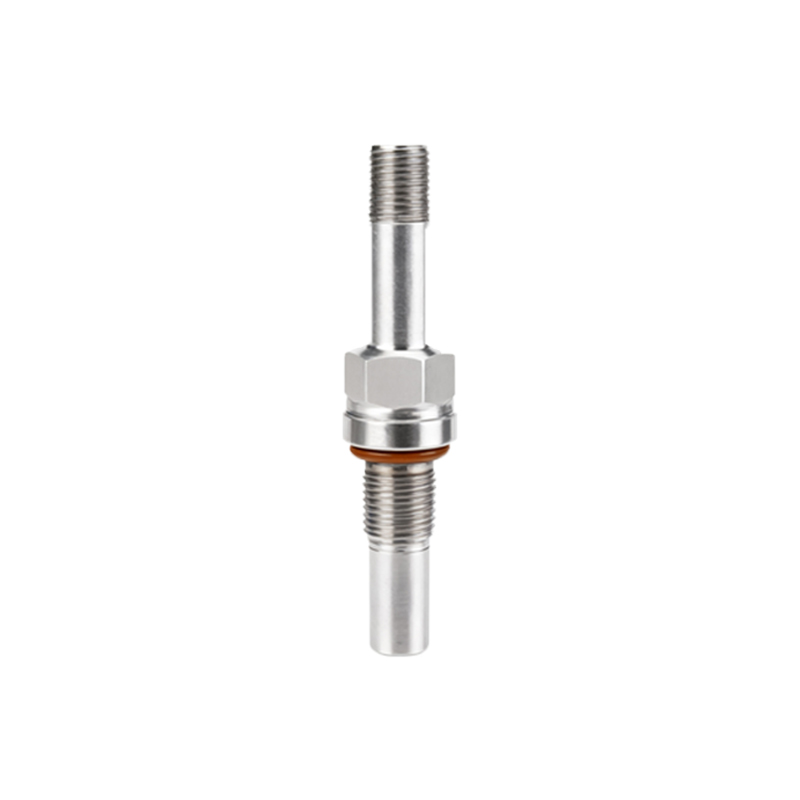
Labor is the second major cost driver. The complexity of access and diagnosis directly impacts the hourly rate. Replacing an easily accessible sensor on a standalone machine might take a technician 30 minutes. However, diagnosing a faulty sensor within a dense control panel on a production line, involving wiring checks, PLC program review, and signal tracing, can consume several hours. Industrial electricians or automation specialists charge between $75 and $150 (or more) per hour. Therefore, a two-hour job for a $100 part could cost $250-$400, while an eight-hour diagnostic and repair on a $800 specialty sensor can easily exceed $2,000.
The source of the repair service drastically affects the price. There are three main tiers:
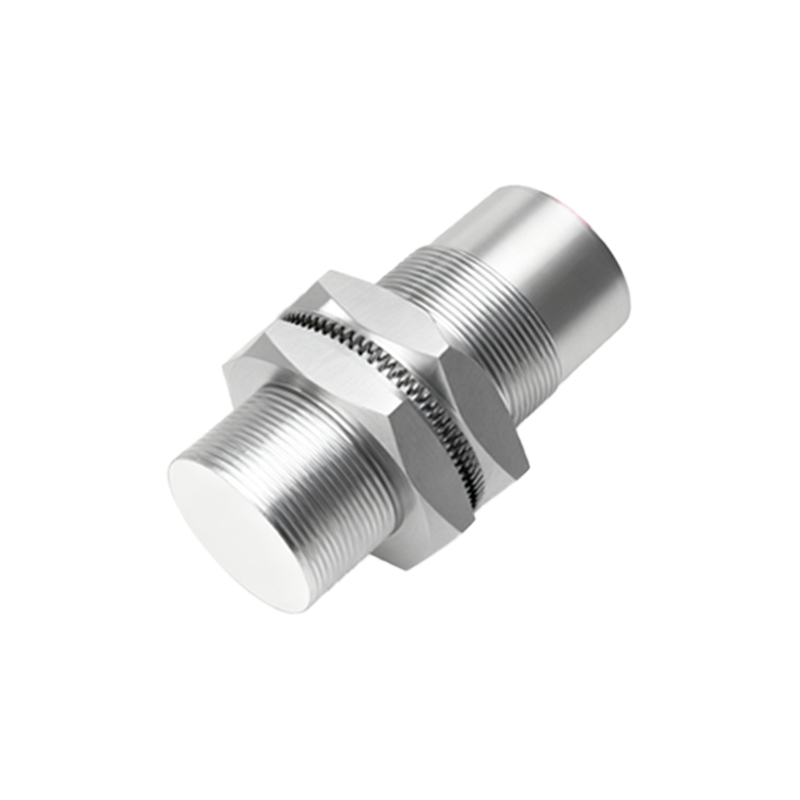
1. DIY Repair: This is the lowest-cost option, involving purchasing a replacement sensor online or from an electronics supplier. This is only feasible if you have technical skills, can correctly identify the sensor model (checking part numbers, sensing range, voltage, output type), and the installation is straightforward. Cost is limited to the part price and your time.
2. Independent Technician or Local Repair Shop: For machinery or automotive applications, a local expert can be a cost-effective middle ground. They may have lower overhead than OEMs and can source generic or refurbished parts. Prices are more variable but generally more competitive for standard repairs.
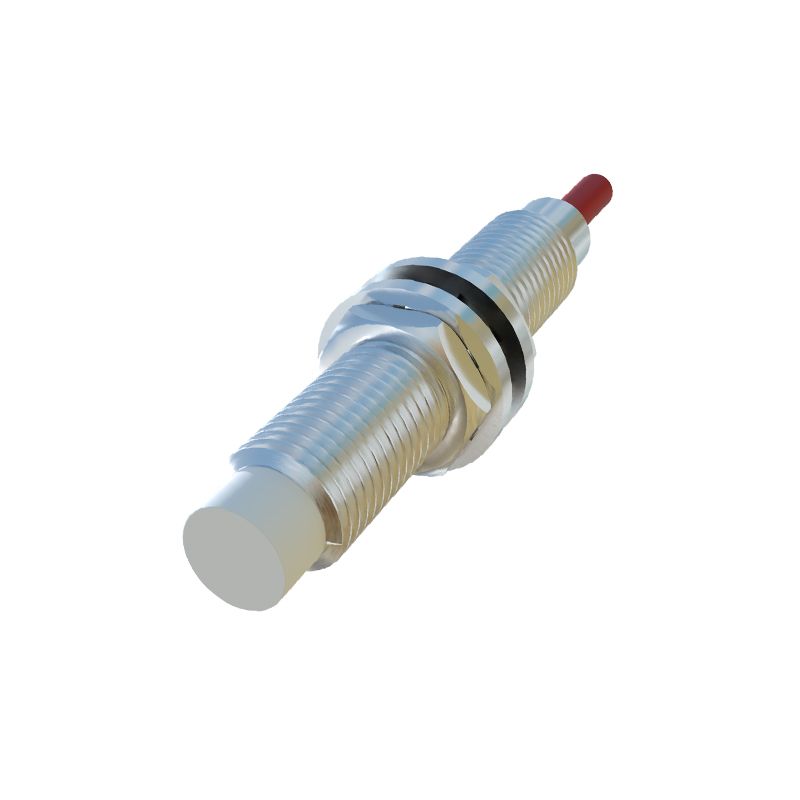
3. Original Equipment Manufacturer (OEM) Service: This is the most expensive route. OEMs use genuine parts and factory-trained engineers. Their service calls often have high minimum charges and premium hourly rates. However, for mission-critical equipment under warranty or requiring precise calibration to maintain system integrity, this may be the necessary and safest choice.
Additional factors influencing the final bill include:
Urgency: Emergency or after-hours service typically incurs a premium (e.g., 1.5x or 2x the standard rate).
Travel: If a technician must travel to your site, travel time and expenses are usually billed.
Parts Availability: A common sensor in stock means lower cost and faster service. A discontinued or proprietary sensor may need to be sourced specially or refurbished, adding time and expense.
The Root Cause: Sometimes, a failing sensor is a symptom, not the cause. Voltage spikes, wiring faults, or mechanical damage can destroy a new sensor quickly. A thorough technician will diagnose the root cause, which may add to the initial diagnostic cost but prevents recurring failures.
Before authorizing any repair, it is wise to:
1. Get a Detailed Estimate: Request a breakdown of parts, labor hours, and any diagnostic fees. Ask if the diagnosis fee is waived if you proceed with the repair.
2. Consider Replacement vs. Repair: For older equipment, the cost of repairing an obsolete sensor might approach the price of upgrading to a newer, more available model with similar functionality.
3. Check Warranty: Verify if the sensor or the larger equipment is still under manufacturer's warranty.
4. Define the Scope: Clearly communicate the symptoms to the service provider to help them prepare and potentially give a more accurate initial quote.
In summary, there is no single answer to "how much does proximity sensor repair cost." By evaluating the sensor type, required labor, and service provider options, you can make an informed financial decision. Investing in a proper diagnosis is often money well spent, ensuring the repair is correct and durable, ultimately minimizing downtime and future expenses.