In the evolving landscape of automotive technology, capacitive proximity sensors have emerged as a pivotal component in modern car door systems. These sensors, often unnoticed by the average driver, play a crucial role in enhancing safety, convenience, and the overall user experience. Unlike traditional mechanical switches or infrared sensors, capacitive proximity sensors operate by detecting changes in an electrical field. When a hand or object approaches the sensor, it alters the capacitance, triggering a response without any physical contact. This principle allows for seamless and reliable operation, even in challenging environmental conditions such as rain, dirt, or extreme temperatures.
The integration of capacitive proximity sensors in car doors primarily serves two key functions: keyless entry and anti-pinch protection. For keyless entry systems, sensors embedded in door handles enable hands-free unlocking. As a user approaches the vehicle with a key fob, simply touching or nearing the handle can automatically unlock the door. This not only adds a layer of convenience but also reduces wear and tear on mechanical parts, extending the lifespan of door mechanisms. Moreover, the absence of physical buttons minimizes the risk of damage from moisture or debris, making it ideal for diverse climates and usage scenarios.
Anti-pinch protection is another critical application, particularly in power-operated doors and windows. Capacitive sensors can detect the presence of obstacles, such as a child's hand or an object, during closing motions. If an obstruction is sensed, the system immediately halts or reverses the door's movement, preventing injuries and damage. This feature is especially vital in family vehicles, where safety is paramount. Compared to traditional force-sensing methods, capacitive sensors offer higher sensitivity and faster response times, ensuring robust protection in real-world situations.
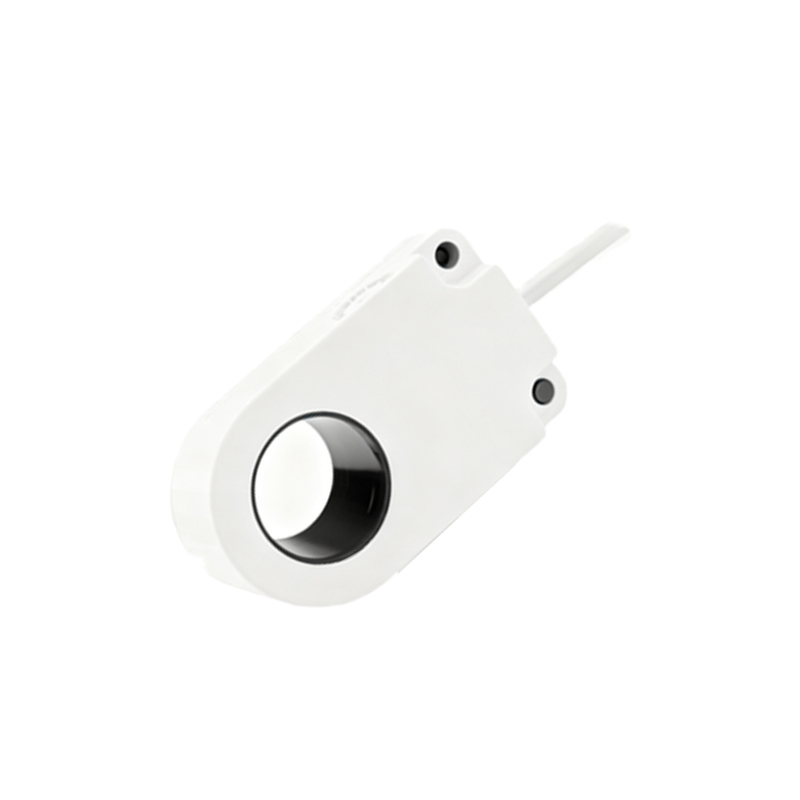
From a technical perspective, capacitive proximity sensors consist of electrodes, circuitry, and microcontrollers. The electrodes generate an electric field around the door handle or window frame. When an object enters this field, the capacitance changes, and the circuitry processes this variation to determine proximity. Advanced algorithms filter out false triggers, such as raindrops or wind vibrations, maintaining accuracy. These sensors are typically designed with low power consumption, aligning with the automotive industry's push toward energy efficiency and sustainability.
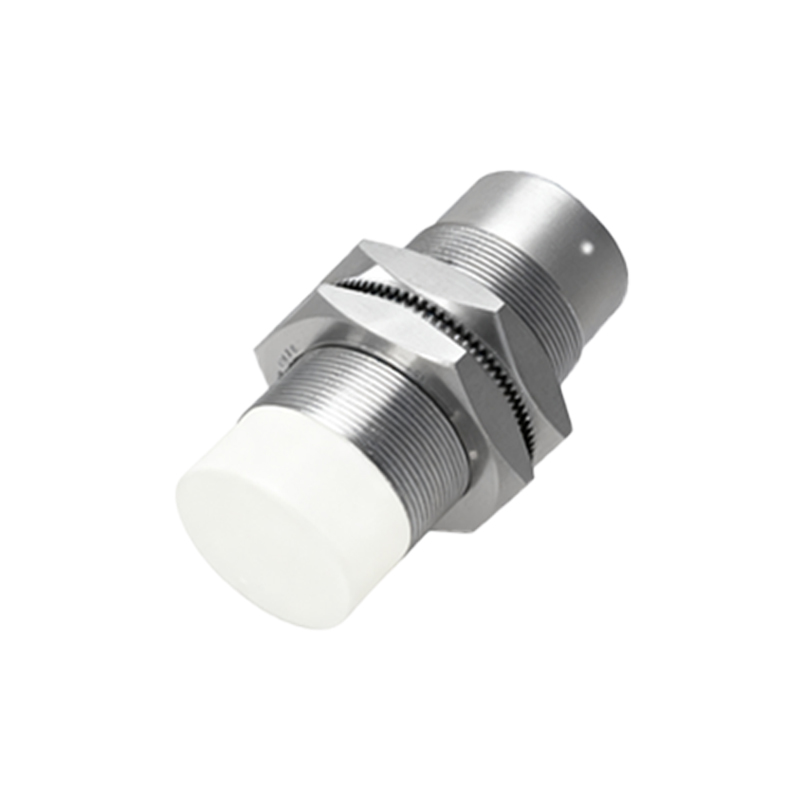
The adoption of capacitive sensors also aligns with broader trends in automotive design, including the shift toward electrification and autonomous driving. In electric vehicles (EVs), where efficiency is critical, these sensors contribute to reduced power usage by eliminating the need for constant mechanical activation. For autonomous cars, they facilitate smoother interactions with passengers, such as automatic door opening upon approach, enhancing the futuristic and user-friendly appeal. Additionally, their sleek, minimalist design complements modern aesthetics, allowing for seamless integration into door handles without protruding elements.
Despite their advantages, challenges remain in the widespread implementation of capacitive proximity sensors. Cost can be a factor, as these systems are more expensive than basic mechanical alternatives. However, as production scales and technology advances, prices are gradually decreasing. Reliability in extreme conditions, such as electromagnetic interference or heavy ice buildup, requires ongoing engineering refinements. Manufacturers are addressing this through rigorous testing and improved shielding techniques, ensuring durability across global markets.
Looking ahead, the future of capacitive proximity sensors in car doors appears promising. Innovations in materials, such as flexible and transparent electrodes, could enable new design possibilities, like sensors integrated into glass or body panels. The rise of the Internet of Things (IoT) and connected vehicles may also see these sensors communicating with smartphones or smart home systems, enabling personalized settings based on user proximity. As safety regulations tighten and consumer expectations grow, capacitive technology is poised to become a standard feature, driving further advancements in automotive intelligence.
In summary, capacitive proximity sensors represent a significant leap forward in car door functionality. By offering contactless operation, enhanced safety, and adaptability to modern automotive trends, they exemplify how subtle technological integrations can transform everyday experiences. For drivers and passengers alike, these sensors provide a glimpse into a future where vehicles are not only smarter but also more intuitive and secure.