In the rapidly evolving landscape of sensor technology, a new form factor is quietly revolutionizing how devices perceive and interact with their surroundings: the proximity sensor patch. Unlike traditional, bulky sensor modules, these are ultra-thin, flexible, and often adhesive patches that can be discreetly applied to virtually any surface. Their emergence marks a significant leap toward truly seamless and integrated sensing solutions across industries.
At its core, a proximity sensor patch performs the fundamental task of detecting the presence or absence of nearby objects without any physical contact. It achieves this typically through infrared (IR) light, capacitive sensing, or ultrasonic waves. The magic, however, lies in its miniaturization and packaging. Advanced micro-electromechanical systems (MEMS), printed electronics, and flexible hybrid electronics (FHE) are the key enablers. These technologies allow for the creation of sensing circuits, emitters, and receivers on thin, bendable substrates like polyimide or PET film. The result is a sensor that conforms to curved surfaces, withstands slight flexing, and adds negligible weight or profile.
The applications for such discreet sensing are vast and transformative. In consumer electronics, imagine smartphone cases or laptop lids with integrated patches that wake the device upon approach, eliminating the need for a physical button. In automotive interiors, these patches can be embedded beneath fabric or leather on door panels or consoles to enable touchless control of lights, windows, or infotainment systems, enhancing both safety and the premium feel.
The healthcare and wellness sector stands to benefit enormously. Proximity sensor patches can monitor subtle movements for sleep studies, track rehabilitation exercises by sensing limb position, or act as non-invasive occupancy sensors in hospital beds or wheelchairs. Their low power consumption and wireless connectivity options make them ideal for wearable, long-term monitoring.
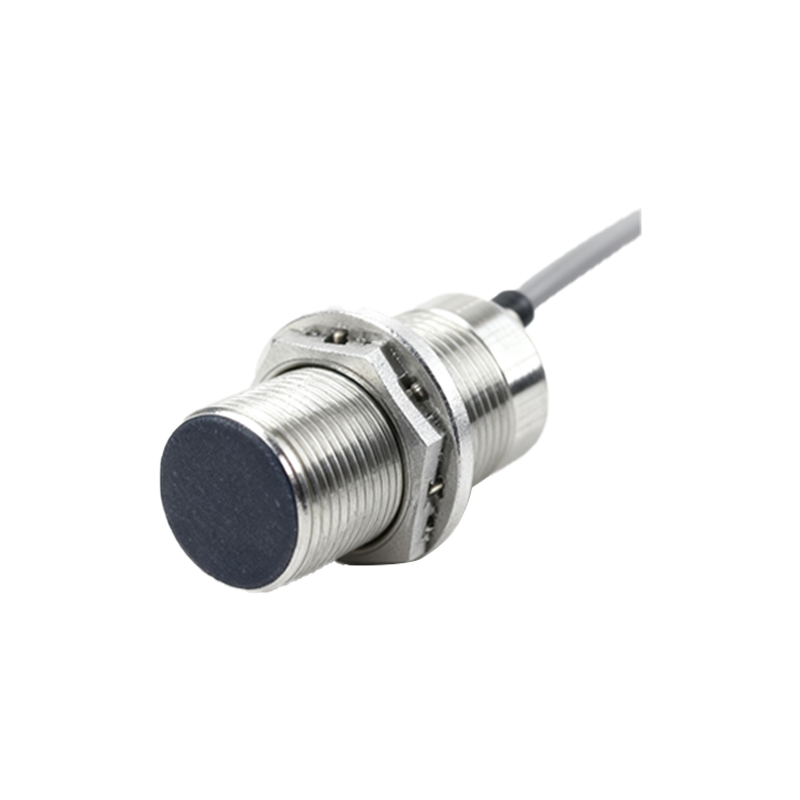
Industrial and smart home applications are equally promising. Patches can be affixed to machinery to detect operator presence for safety lockouts, or on shelves for inventory management by sensing when items are removed. In homes, they can enable context-aware lighting that turns on as a person enters a room, or create invisible switches on walls or furniture, preserving aesthetic design without compromising functionality.
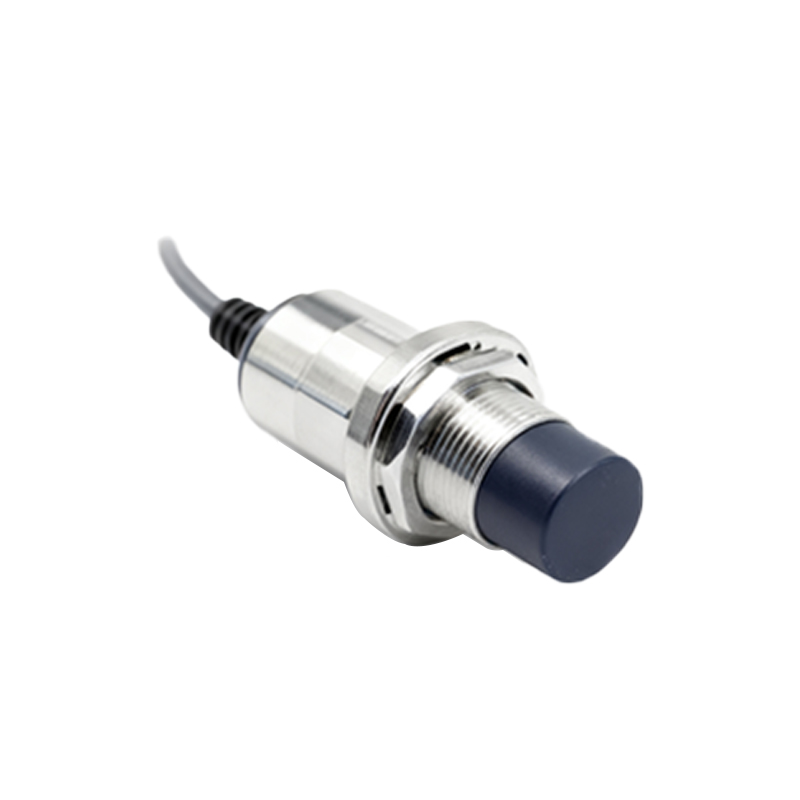
The advantages over conventional sensors are compelling. Their flexibility allows for installation on non-flat surfaces previously inaccessible to rigid PCBs. The adhesive or embeddable nature simplifies integration, reducing assembly complexity and cost. Their thin profile is crucial for modern, sleek product designs. Furthermore, the development of energy-harvesting techniques could eventually lead to self-powered, maintenance-free sensor patches.
However, challenges remain on the path to widespread adoption. Ensuring consistent accuracy and range across various materials and environmental conditions (like ambient light for IR sensors) is critical. Long-term reliability under repeated stress, temperature fluctuations, and potential moisture exposure must be guaranteed. Manufacturing at scale while maintaining high yield and low cost is another hurdle that the industry continues to address.
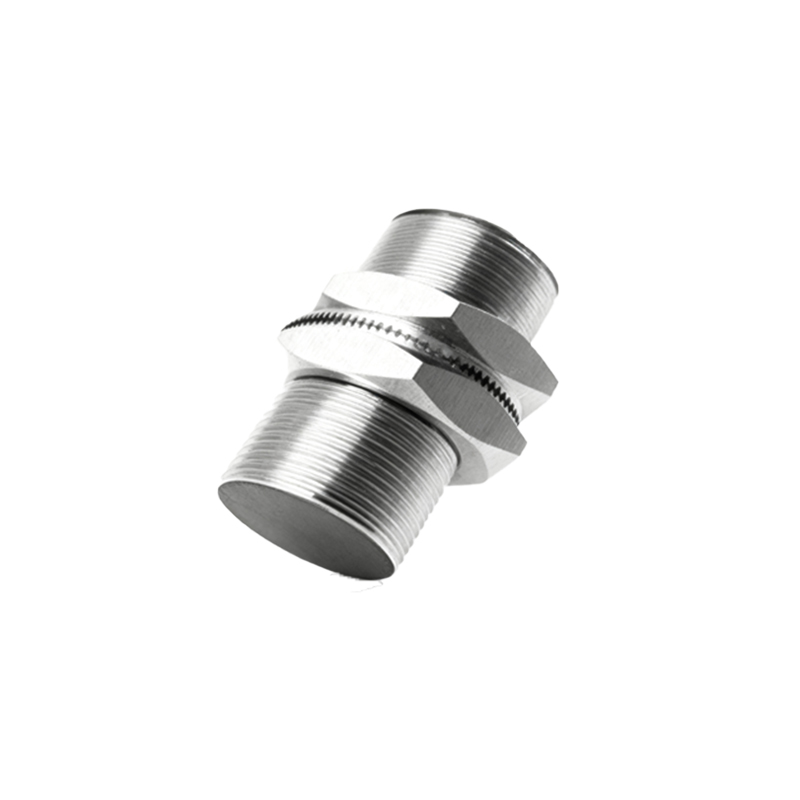
The future trajectory points toward increased intelligence and multifunctionality. Researchers are working on patches that combine proximity sensing with other metrics like temperature, pressure, or humidity. Integration with AI at the edge will allow these patches to not just detect presence, but interpret gestures or specific behaviors. As materials science and nanotechnology advance, we may see patches that are stretchable, washable, and even biodegradable.
In conclusion, proximity sensor patches represent more than just a miniaturization trend. They embody a shift toward ambient, unobtrusive intelligence where sensing capabilities melt into the fabric of objects and environments. By dissolving the physical and aesthetic barriers associated with traditional sensors, these patches are paving the way for a more intuitive, responsive, and seamlessly connected world. Their continued development will be a key driver in the next wave of innovation in IoT, wearables, smart spaces, and beyond, making our interactions with technology more natural and effortless than ever before.