In the fast-paced world of modern logistics, efficiency and reliability are paramount. Specialized proximity sensors have emerged as critical components in logistics equipment, enabling seamless automation, reducing operational costs, and enhancing safety. These sensors are designed to detect the presence or absence of objects without physical contact, making them ideal for the demanding environments of warehouses, distribution centers, and transportation systems.
The core function of proximity sensors in logistics is to provide real-time data on the position and movement of goods. For instance, in automated storage and retrieval systems (AS/RS), sensors ensure that pallets and containers are accurately aligned for robotic handling. This precision minimizes errors, prevents collisions, and speeds up processing times. Similarly, on conveyor belts, sensors monitor item flow, triggering sorting mechanisms or alerting operators to jams. By integrating with control systems, these sensors help maintain a continuous, optimized workflow.
Durability is a key consideration for logistics applications. Proximity sensors in this sector are often built to withstand harsh conditions, including dust, moisture, vibration, and temperature extremes. Industrial-grade models feature robust housings, such as stainless steel or IP67-rated enclosures, ensuring longevity in challenging settings like outdoor yards or refrigerated facilities. This resilience reduces maintenance needs and downtime, contributing to overall operational resilience.
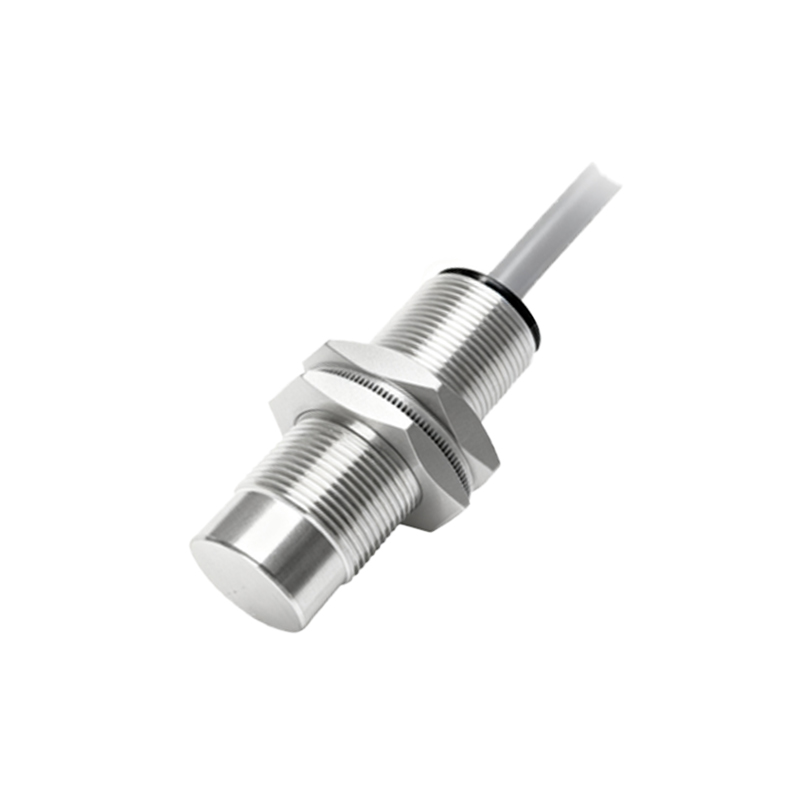
Various types of proximity sensors are employed based on specific needs. Inductive sensors are commonly used for detecting metallic objects, such as metal containers or machinery parts, in close range. Capacitive sensors, on the other hand, can sense non-metallic materials like plastic, wood, or liquids, making them versatile for mixed cargo environments. Ultrasonic sensors offer longer detection ranges and are effective for level monitoring in silos or bulk storage, while photoelectric sensors use light beams to detect objects over distances, ideal for high-speed sorting lines.
The integration of proximity sensors with Internet of Things (IoT) technology is transforming logistics. Smart sensors can transmit data to centralized platforms, enabling predictive analytics and remote monitoring. For example, sensors on forklifts can track proximity to obstacles, preventing accidents and optimizing route planning. In inventory management, sensor networks provide real-time visibility into stock levels, reducing overstocking or shortages. This connectivity supports just-in-time logistics, where timely data drives decision-making.
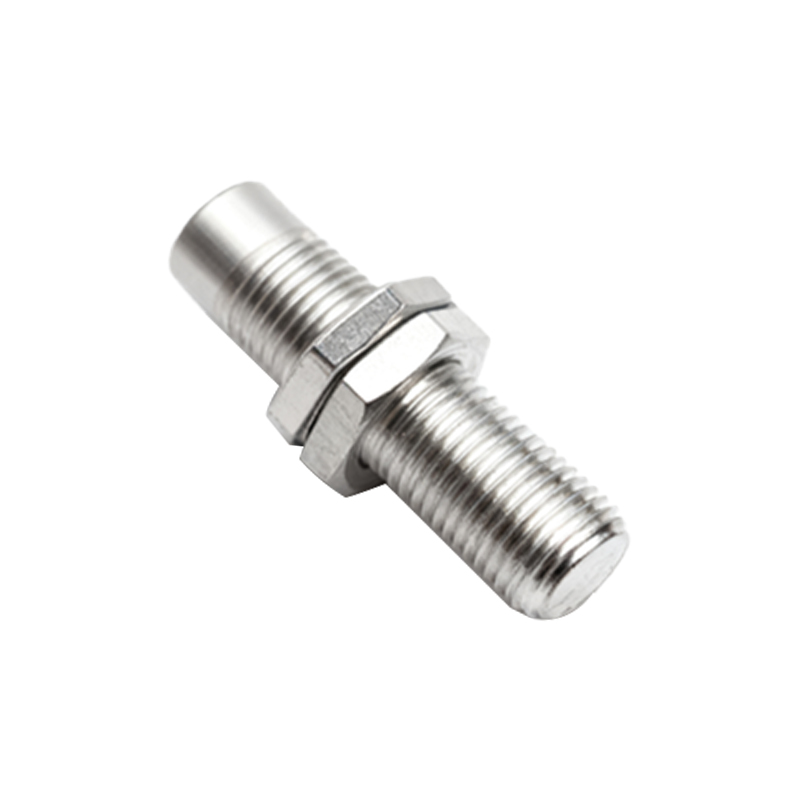
Safety enhancements are another significant benefit. Proximity sensors on automated guided vehicles (AGVs) and robotics help create safe zones by detecting human presence, triggering slowdowns or stops to prevent injuries. In loading docks, sensors ensure that doors and equipment operate only when clear, mitigating risks. These applications not only protect workers but also comply with stringent safety regulations, fostering a secure working environment.
Looking ahead, advancements in sensor technology promise even greater efficiencies. Miniaturization allows sensors to be embedded in smaller devices, while improved sensitivity and accuracy enable finer detection capabilities. Energy-efficient designs support sustainable operations, aligning with green logistics initiatives. As artificial intelligence and machine learning evolve, sensors will likely become more adaptive, learning from patterns to optimize logistics processes autonomously.
In summary, specialized proximity sensors are indispensable in modern logistics, driving automation, safety, and data-driven insights. Their ability to operate reliably in tough conditions, coupled with ongoing technological innovations, ensures they will remain at the forefront of logistics optimization. Companies investing in these sensors can expect enhanced productivity, reduced costs, and a competitive edge in an increasingly automated industry.