In the rapidly evolving landscape of industrial automation and consumer electronics, the demand for reliable, cost-effective sensing solutions continues to grow. Among the various technologies available, plastic proximity sensors have emerged as a significant player, offering a unique blend of performance and affordability. Unlike their traditional counterparts often housed in metal casings, these sensors utilize advanced engineering plastics in their construction, leading to distinct advantages in specific applications.
The core technology behind plastic proximity sensors typically involves inductive, capacitive, or photoelectric principles. Inductive plastic sensors, for instance, generate an electromagnetic field to detect the presence of metallic objects without physical contact. The use of high-performance plastics like PBT (Polybutylene Terephthalate) or PPS (Polyphenylene Sulfide) for the housing and sensing face allows these devices to operate effectively in environments where metal sensors might face challenges. These materials offer excellent resistance to a wide range of chemicals, including oils, coolants, and cleaning agents, making them ideal for harsh manufacturing settings. Furthermore, plastic housings are inherently non-corrosive, eliminating the risk of rust and contamination in sensitive processes such as food and beverage production or pharmaceutical manufacturing.

One of the most compelling advantages of plastic proximity sensors is their weight. Being significantly lighter than metal-bodied sensors, they reduce the load on moving machinery and robotic arms, contributing to higher energy efficiency and potentially longer equipment life. This weight reduction also simplifies installation and handling. Additionally, plastic sensors provide superior performance in applications involving non-ferrous metals. Certain advanced plastic formulations can be optimized to minimize the sensing distance variation between different types of metals, a common issue with standard inductive sensors. This characteristic ensures more consistent and reliable detection in automated systems handling aluminum, copper, or brass components.
The design flexibility afforded by plastic injection molding is another key benefit. Manufacturers can produce sensors in complex shapes, compact sizes, and with integrated features like built-in mounting brackets or cable strain reliefs. This allows for easier integration into tight spaces and custom machinery designs. Many plastic proximity sensors also feature LED status indicators visible from multiple angles, enhancing diagnostic capabilities on the factory floor. From a cost perspective, the mass-production capability of molded plastic parts often results in a lower unit price compared to machined metal housings, providing a cost-efficient solution for high-volume applications without sacrificing core functionality.
In terms of applications, plastic proximity sensors are ubiquitous. They are extensively used in material handling systems to detect the position of packages on conveyor belts, in packaging machinery to count products, and in automotive assembly lines for part presence verification. Their chemical resistance makes them perfect for washdown areas in food processing plants. In the realm of consumer electronics, miniaturized plastic sensors play crucial roles in devices, detecting lid closure or object presence. A notable and growing application is in the development of automated guided vehicles (AGVs) and mobile robots, where lightweight and durable sensors are essential for navigation and obstacle detection.
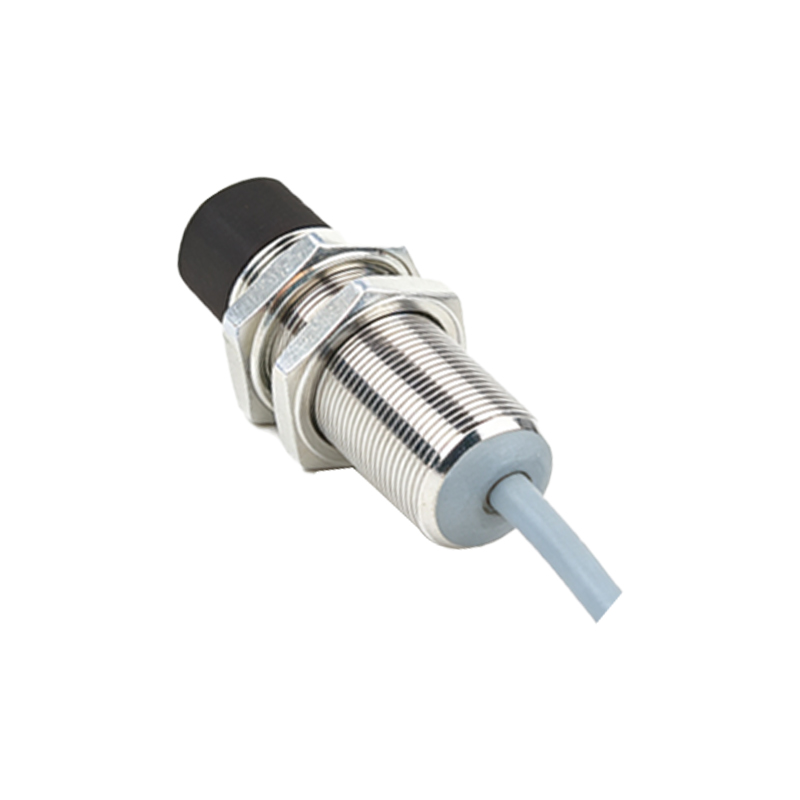
When selecting a plastic proximity sensor, several factors must be considered. The sensing distance, rated for the specific target material, is paramount. Environmental conditions such as temperature extremes, potential for mechanical impact, and exposure to specific chemicals will dictate the required plastic grade and ingress protection (IP) rating. Electrical specifications, including operating voltage, output type (PNP/NPN), and connection method (pre-wired cable or connector), must match the control system. It is also crucial to verify the sensor’s compatibility with the surrounding electrical noise in the installation environment, as some plastics may offer different levels of electromagnetic shielding than metal housings.
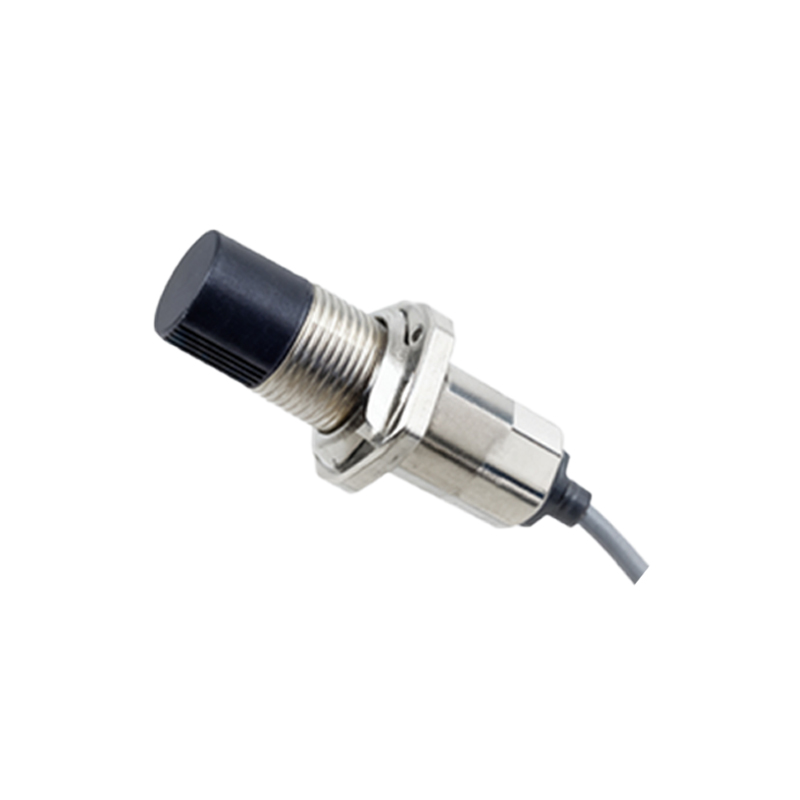
Installation and maintenance are generally straightforward. Ensuring a clean sensing face free from debris buildup is critical for reliable operation. While durable, the plastic housing can be susceptible to mechanical damage from excessive force or sharp impacts, so proper mounting and guarding in high-traffic areas are advisable. Regular functional checks as part of preventive maintenance routines help ensure long-term system reliability.
Looking ahead, the future of plastic proximity sensors is intertwined with trends in Industry 4.0 and smart manufacturing. The integration of IO-Link communication capability into plastic sensor bodies is becoming more common. This digital interface allows for parameter setting, advanced diagnostics, and process data monitoring, transforming a simple switch into a smart device that provides valuable insights into machine health and production status. Advances in polymer science will likely yield new materials with even greater temperature resistance, mechanical strength, and sensing performance.
In conclusion, plastic proximity sensors represent a mature yet continuously improving technology. Their unique combination of corrosion resistance, light weight, design flexibility, and cost-effectiveness has secured their vital role across diverse industries. By understanding their operating principles, advantages, and ideal application scenarios, engineers and technicians can effectively leverage these versatile components to build more robust, efficient, and intelligent automated systems.