Urban rail systems, including subways, light rail, and trams, form the backbone of public transportation in many metropolitan areas worldwide. As these networks expand and passenger volumes increase, ensuring safety and operational efficiency becomes paramount. One critical technology that plays a vital role in achieving these goals is the proximity sensor. These devices, often unnoticed by the average commuter, are fundamental components in the automation and protection of modern rail transit.
Proximity sensors in urban rail applications are non-contact detection devices designed to identify the presence or absence of objects—typically trains, infrastructure components, or obstacles—within a specific range. They operate on various principles, with inductive, capacitive, and ultrasonic sensors being the most common. Inductive sensors, for instance, generate an electromagnetic field to detect metallic objects like train carriages or wheels, making them ideal for track-side installations. Capacitive sensors can detect both metallic and non-metallic objects, useful in platform edge door systems. Ultrasonic sensors use sound waves to measure distance to an object, often applied in obstacle detection on the vehicle itself.
The primary function of these sensors is safety. They are integral to train control and signaling systems. For example, sensors installed along the track can detect a train's exact position, feeding real-time data to the central control system. This information is crucial for maintaining safe distances between trains, a core principle of signaling systems like Communications-Based Train Control (CBTC). By continuously monitoring train locations, these sensors help prevent collisions and enable higher frequency service. Another vital safety application is in platform screen door systems. Sensors ensure the doors open and close in perfect synchronization with the train doors, preventing passengers from falling onto the tracks or being trapped.
Beyond safety, proximity sensors significantly enhance operational efficiency and reliability. They facilitate automated train operations (ATO), where sensors provide the precise data needed for automatic starting, stopping, and speed regulation. This automation leads to smoother rides, optimized energy consumption through efficient acceleration and braking profiles, and consistent adherence to schedules. Maintenance operations also benefit. Sensors can monitor the health of critical components, such as detecting wheel flange wear or checking the alignment of pantographs on overhead lines. Early detection of such issues allows for predictive maintenance, reducing unplanned downtime and costly repairs.
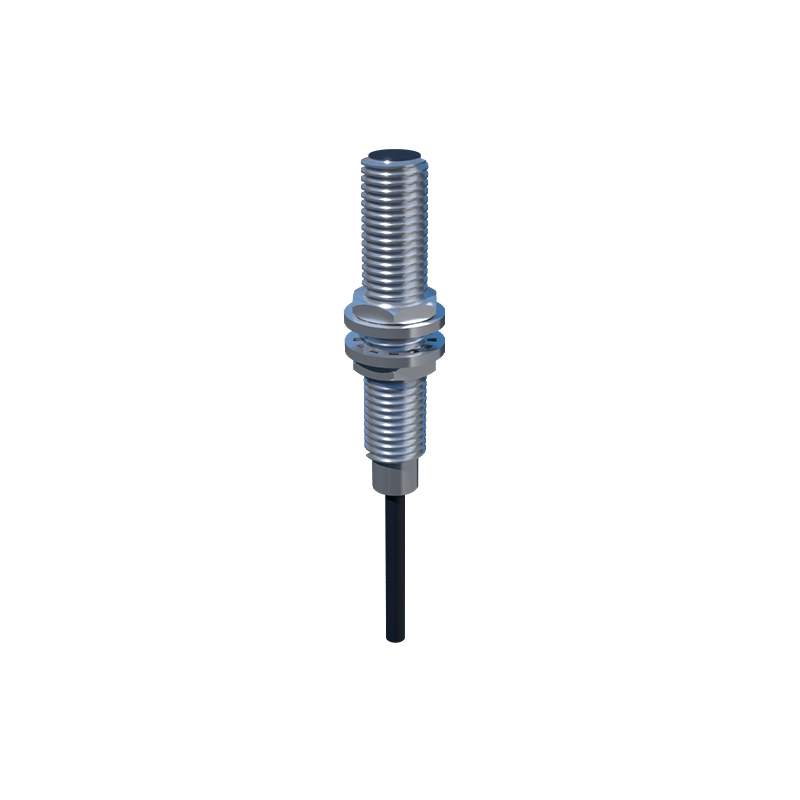
The evolution of sensor technology continues to address urban rail's unique challenges. Modern sensors are designed to withstand harsh environmental conditions, including extreme temperatures, vibration, moisture, and electromagnetic interference prevalent in rail corridors. The trend is toward smarter, networked sensors that are part of the Internet of Things (IoT) ecosystem. These sensors not only collect data but can also communicate with each other and central management systems, enabling more sophisticated analytics and system-wide optimization. For instance, data from a network of proximity sensors can be used to analyze passenger flow patterns on platforms or optimize train circulation during peak hours.
Despite their advantages, the implementation of proximity sensor systems is not without considerations. System integrators must account for factors like installation precision, calibration, and immunity to false triggers from debris or environmental noise. Regular testing and maintenance are essential to ensure long-term reliability. Furthermore, as systems become more automated and data-dependent, cybersecurity measures are increasingly important to protect sensor networks from potential threats.
In conclusion, proximity sensors are indispensable in the ecosystem of urban rail transit. They are the unseen guardians that contribute directly to passenger safety, system capacity, and operational cost-effectiveness. As cities continue to invest in and rely on rail transit, the role of these sophisticated sensing technologies will only grow, paving the way for safer, smarter, and more efficient urban mobility solutions for millions of daily commuters.