In the rapidly evolving landscape of industrial automation and smart device integration, the demand for precision, reliability, and space efficiency has never been higher. Ultra-compact proximity sensors have emerged as critical components, enabling sophisticated detection capabilities in constrained environments. Customization of these sensors is not merely an option but a necessity for engineers seeking to optimize performance for specific applications. This article delves into the engineering principles, customization processes, and industry applications of ultra-compact proximity sensors, providing insights for professionals in the electrical and automation sectors.
The core technology behind ultra-compact proximity sensors typically involves inductive, capacitive, or magnetic sensing principles. Inductive sensors, for instance, generate an electromagnetic field to detect metallic objects without physical contact, making them ideal for harsh industrial settings. Capacitive sensors can detect both metallic and non-metallic materials by measuring changes in capacitance, while magnetic sensors rely on Hall effect or magnetoresistive technologies for position sensing. The miniaturization of these sensors requires advanced microelectronics, precise manufacturing techniques, and careful material selection to maintain sensitivity and durability. Customization often begins with selecting the appropriate sensing technology based on the target object, environmental conditions, and required detection range.
Customization of ultra-compact proximity sensors involves several key engineering considerations. First, the form factor must be tailored to fit into limited spaces, such as within robotic arms, medical devices, or consumer electronics. This may involve designing sensors with diameters as small as 3mm or less, using surface-mount technology (SMT) for PCB integration. Second, output configuration—whether NPN, PNP, analog, or IO-Link—needs to align with the control system’s requirements. Engineers must also specify operating voltage, current consumption, and switching frequency to ensure compatibility with existing circuits. Environmental factors like temperature extremes, humidity, vibration, and exposure to chemicals or oils demand robust housing materials, such as stainless steel or PBT plastics, and ingress protection (IP) ratings like IP67 or IP69K. Additionally, customization can include specialized sensing ranges, from sub-millimeter to several centimeters, and response times optimized for high-speed automation lines.
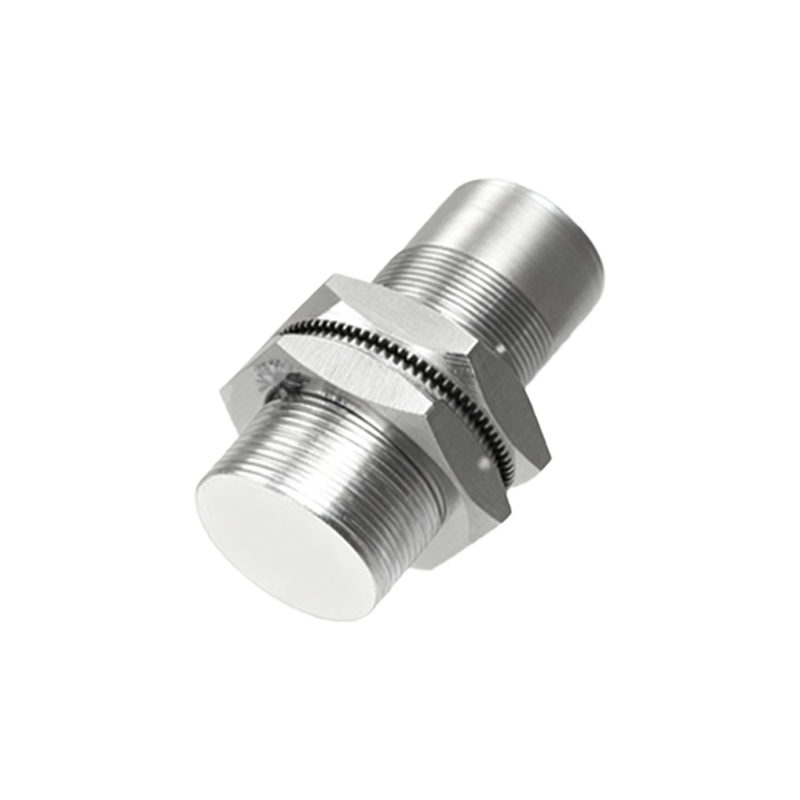
The application spectrum for customized ultra-compact proximity sensors is vast. In automotive manufacturing, they enable precise part detection in assembly robots, ensuring quality control and safety. In the electronics industry, these sensors facilitate component placement on PCBs and monitor miniature actuators. Medical devices, such as surgical instruments and diagnostic equipment, rely on them for accurate positioning and feedback without compromising sterility. Consumer products, including smartphones and wearables, integrate ultra-compact sensors for touchless interfaces and battery management. Furthermore, emerging fields like collaborative robotics (cobots) and Internet of Things (IoT) devices leverage customized sensors to enhance autonomy and connectivity. Each application presents unique challenges, driving innovation in sensor design—for example, developing non-magnetic variants for MRI machines or low-power models for battery-operated IoT nodes.
From an engineering standpoint, the customization process requires close collaboration between sensor manufacturers and clients. It typically starts with a detailed requirement analysis, followed by prototyping and testing under real-world conditions. Advanced simulation tools help predict performance, while iterative design adjustments ensure optimal functionality. Quality assurance involves rigorous testing for electrical characteristics, environmental resilience, and long-term reliability. Engineers must also consider cost-effectiveness, balancing custom features with production scalability. As Industry 4.0 advances, smart sensors with embedded diagnostics and communication capabilities are becoming standard, allowing for predictive maintenance and data analytics integration.
In conclusion, the customization of ultra-compact proximity sensors is a sophisticated engineering endeavor that bridges technological innovation with practical application needs. By focusing on precise specifications, robust design, and adaptive technologies, engineers can develop sensors that push the boundaries of automation efficiency. As industries continue to demand smaller, smarter, and more reliable components, the role of customized ultra-compact proximity sensors will only grow, driving progress in automation, healthcare, and beyond. For electrical engineers and automation specialists, staying abreast of these trends is essential for designing next-generation systems.