In the realm of industrial automation and precision measurement, laser grayscale sensors have emerged as indispensable tools for non-contact inspection and quality control. These sophisticated devices operate on the principle of analyzing the intensity of reflected laser light, translating it into grayscale values that correspond to surface characteristics. Unlike binary sensors that simply detect presence or absence, grayscale sensors provide nuanced data about surface texture, color variations, and material consistency, enabling highly detailed analysis.
The core working principle involves emitting a focused laser beam onto a target surface. The sensor's receiver then captures the diffusely reflected light. The intensity of this reflected light is converted into an analog electrical signal, which is subsequently digitized into a grayscale value, typically ranging from 0 (pure black, minimal reflection) to 255 (pure white, maximum reflection) in an 8-bit system. This value is a direct function of the surface's albedo or reflectivity, which is influenced by color, material, roughness, and even the presence of coatings or contaminants. Advanced models incorporate algorithms to compensate for ambient light variations and ensure stable readings.
The applications of laser grayscale sensors are vast and span multiple industries. In electronics manufacturing, they are crucial for inspecting solder paste application, verifying component placement, and detecting scratches on PCB surfaces. The pharmaceutical industry utilizes them for checking pill coating uniformity and verifying label presence and alignment on blister packs. In automotive assembly, these sensors ensure the correct application of adhesives, inspect weld seams, and verify the presence of gaskets. Furthermore, in packaging, they excel at print inspection, verifying date codes, and detecting seal integrity by identifying subtle differences in surface gloss or texture.
When selecting a laser grayscale sensor for a specific application, several key parameters must be carefully evaluated. The first is measurement range and spot size. A smaller, more focused laser spot allows for higher resolution inspection of tiny features. The sensor's response time and sampling rate determine how fast it can process data, which is critical for high-speed production lines. The type of output is also vital; while analog outputs (0-10V, 4-20mA) provide continuous value data for process monitoring, digital outputs (switch signals, serial communication) are used for pass/fail judgments. Environmental robustness, including IP rating for dust and water resistance and operating temperature range, is essential for harsh industrial environments. Finally, programmability features, such as the ability to set multiple teach-in points for different grayscale thresholds or to store reference profiles, greatly enhance flexibility.
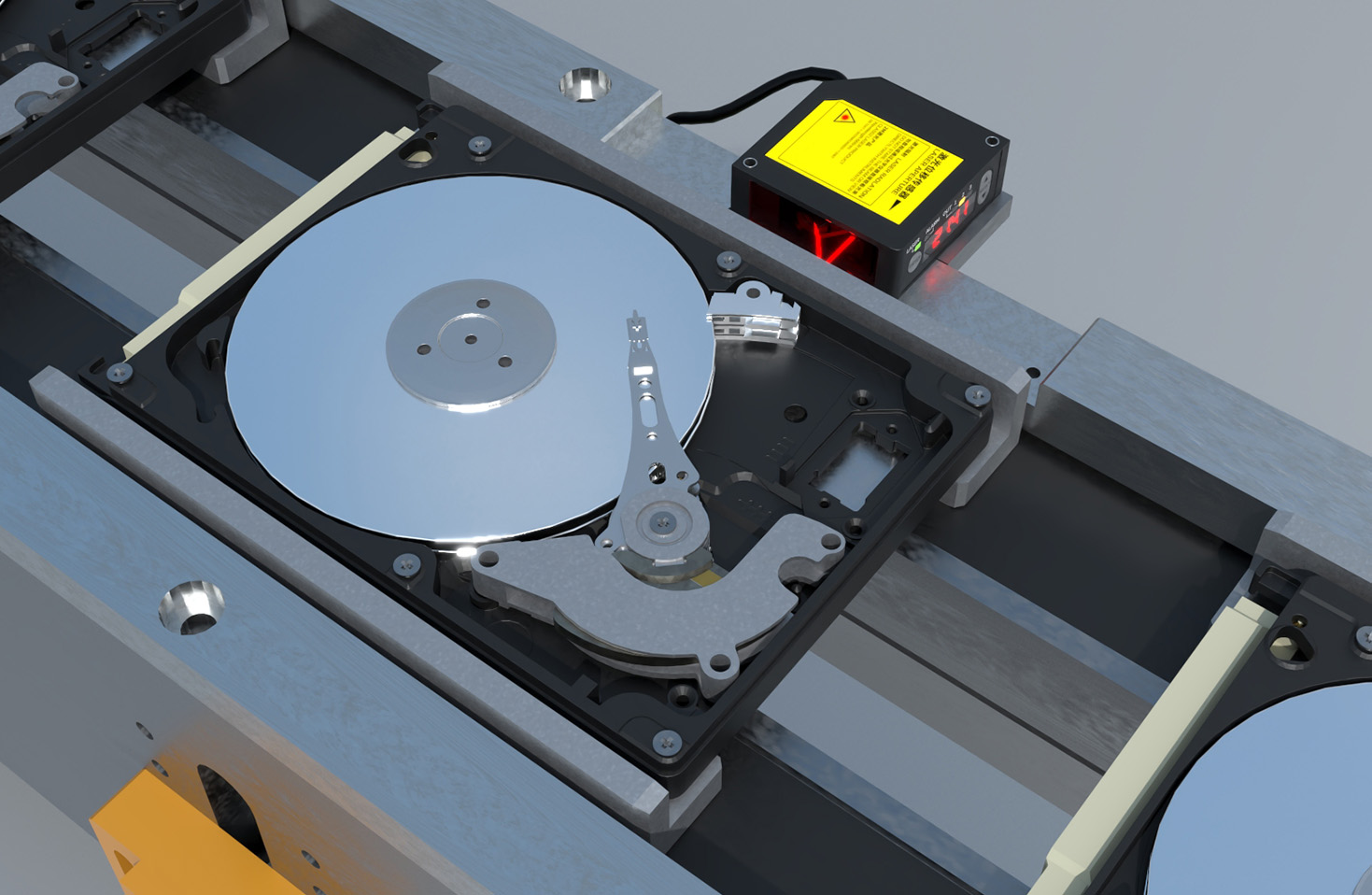
Integration of these sensors into automated systems is typically straightforward, often via industry-standard interfaces like IO-Link, which simplifies parameter setting and enables advanced diagnostics and data logging. Proper installation is critical: the sensor must be mounted securely to minimize vibration, and the angle of incidence should be optimized for the specific surface characteristic being measured. Regular calibration against known reference standards is recommended to maintain long-term accuracy.
Looking ahead, the evolution of laser grayscale sensors is intertwined with Industry 4.0 trends. Future developments point towards smarter sensors with embedded processing power capable of edge computing, allowing for preliminary data analysis directly at the sensor level. Enhanced connectivity for seamless integration into IoT frameworks and the incorporation of AI-driven pattern recognition for more complex defect classification are on the horizon. These advancements will further solidify the role of laser grayscale sensors as critical enablers of intelligent, data-driven manufacturing, providing the granular, reliable data necessary for predictive maintenance, zero-defect production, and overall equipment effectiveness (OEE) optimization.
In conclusion, laser grayscale sensors offer a powerful and versatile solution for precise surface evaluation. By understanding their operating principles, vast application potential, and critical selection criteria, engineers and system integrators can effectively deploy these sensors to enhance quality assurance, improve process control, and drive efficiency across countless industrial operations. Their ability to deliver objective, quantifiable data on surface properties makes them a cornerstone of modern automated inspection systems.