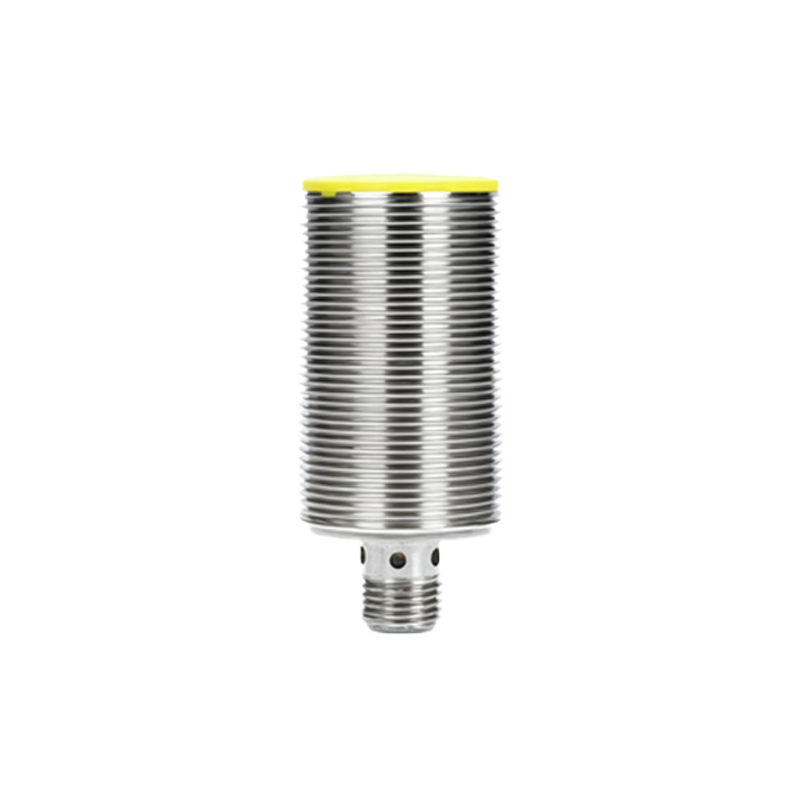
Proximity sensors are a cornerstone of modern industrial automation and electronic systems. These non-contact devices detect the presence or absence of an object within a defined sensing range without any physical contact. Their ability to operate reliably in harsh environments, provide high-speed response, and offer long operational life makes them indispensable across numerous sectors, including manufacturing, automotive, aerospace, and consumer electronics. The fundamental principle behind their operation varies by type, but all share the common goal of converting information about the presence, position, or movement of a target into an electrical signal.
The primary categories of proximity sensors include inductive, capacitive, ultrasonic, and photoelectric sensors. Inductive proximity sensors are among the most common. They generate an electromagnetic field and detect the eddy current losses caused when a metallic target enters this field. These sensors are highly reliable for detecting ferrous and non-ferrous metals but are ineffective for non-metallic materials. They are extensively used in machine automation for tasks like part counting, position verification, and speed monitoring on metal parts.
Capacitive proximity sensors, on the other hand, can detect both metallic and non-metallic materials, including liquids, powders, and plastics. They function by generating an electrostatic field and sensing the change in capacitance when a target object enters this field. This versatility makes them ideal for applications in the food and beverage, pharmaceutical, and chemical industries, where they might detect material levels in containers or the presence of glass or plastic bottles on a conveyor line.
Ultrasonic proximity sensors operate by emitting high-frequency sound waves and measuring the time it takes for the echo to return after bouncing off a target object. They are effective for detecting objects of virtually any material, shape, or color, and can also measure distance. Common applications include liquid level control, pallet detection, and collision avoidance in automated guided vehicles (AGVs). Their performance can be affected by factors like temperature, humidity, and the target's surface texture.
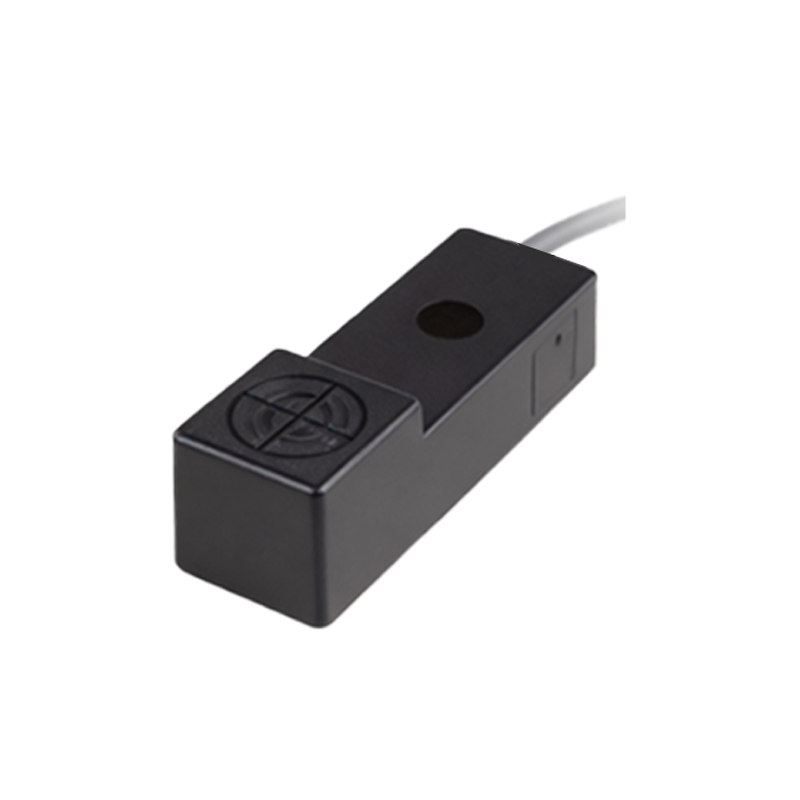
Photoelectric sensors use a light beam, typically infrared, visible, or laser, to detect objects. They consist of an emitter and a receiver. The three main operating modes are through-beam, retro-reflective, and diffuse reflective. Through-beam sensors offer the longest sensing ranges and highest reliability, as the object breaks a beam between separate emitter and receiver units. Retro-reflective models use a reflector to bounce the beam back to a combined emitter/receiver unit, while diffuse reflective sensors detect light reflected directly off the target itself. These sensors are crucial for detecting small objects, transparent materials, and for precise positioning.
Selecting the appropriate proximity sensor for a specific application requires careful consideration of several key parameters. The sensing range, or the maximum distance at which the sensor can reliably detect a standard target, is a primary factor. Environmental conditions such as temperature extremes, presence of dust, moisture, oils, or corrosive chemicals dictate the required housing material and ingress protection (IP) rating. The output type—whether digital (PNP/NPN) or analog—must be compatible with the control system, typically a programmable logic controller (PLC). Other critical factors include the response time, which affects system speed, the size and shape of the sensor for mounting constraints, and the nature of the target material itself.
Installation and wiring are also vital for optimal performance. Proper alignment, ensuring the sensor is not mounted too close to metal surfaces (for inductive types), and protecting the sensing face from physical damage or buildup of contaminants are essential practices. Electrical noise from motors or frequency drives can sometimes interfere with sensor signals, necessitating the use of shielded cables or physical separation from noise sources.
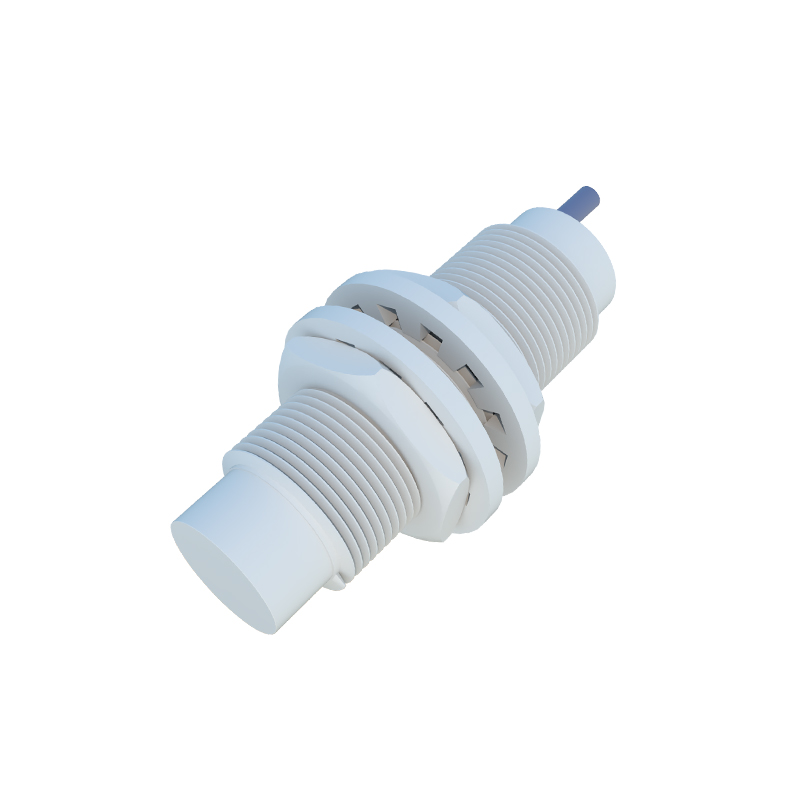
The evolution of proximity sensor technology continues, with trends leaning towards miniaturization, increased intelligence via integrated IO-Link communication for diagnostics and parameter setting, and enhanced resistance to environmental challenges. Understanding the core principles, types, and application criteria of these devices is fundamental for engineers and technicians designing, maintaining, or optimizing automated systems. Their correct implementation ensures not only operational efficiency and precision but also contributes significantly to system safety and reliability.