In the intricate network of modern urban infrastructure, manhole covers serve as critical access points to subterranean utility systems, including sewer lines, electrical conduits, and telecommunications cables. However, these ubiquitous fixtures also present significant management challenges and safety risks, ranging from unauthorized access and theft to displacement caused by traffic or environmental factors. The integration of proximity sensors specifically designed for manhole cover monitoring represents a transformative technological advancement, offering a robust solution for smart city initiatives and proactive infrastructure management.
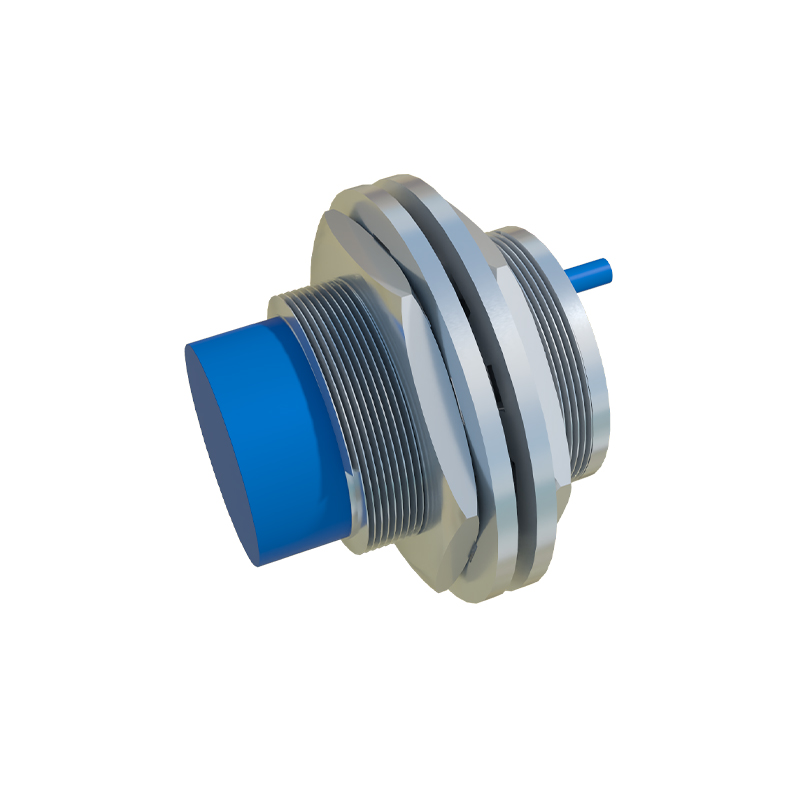
Proximity sensors for manhole covers are specialized devices engineered to detect the presence, position, or status of a cover without physical contact. Typically, these sensors are installed within the manhole frame or on the underside of the cover itself. They operate on various principles, with inductive and magnetic sensing technologies being among the most prevalent due to their reliability in harsh, subsurface environments. Inductive sensors are ideal for detecting metallic covers, generating an electromagnetic field that is disturbed when the conductive cover is displaced. Magnetic sensors, including reed switches or Hall-effect sensors, are often paired with a magnet embedded in the cover to detect separation or tampering. The core function is to provide a real-time binary signal: "secure" when the cover is properly seated and "alert" when it is removed, tilted, or otherwise compromised.
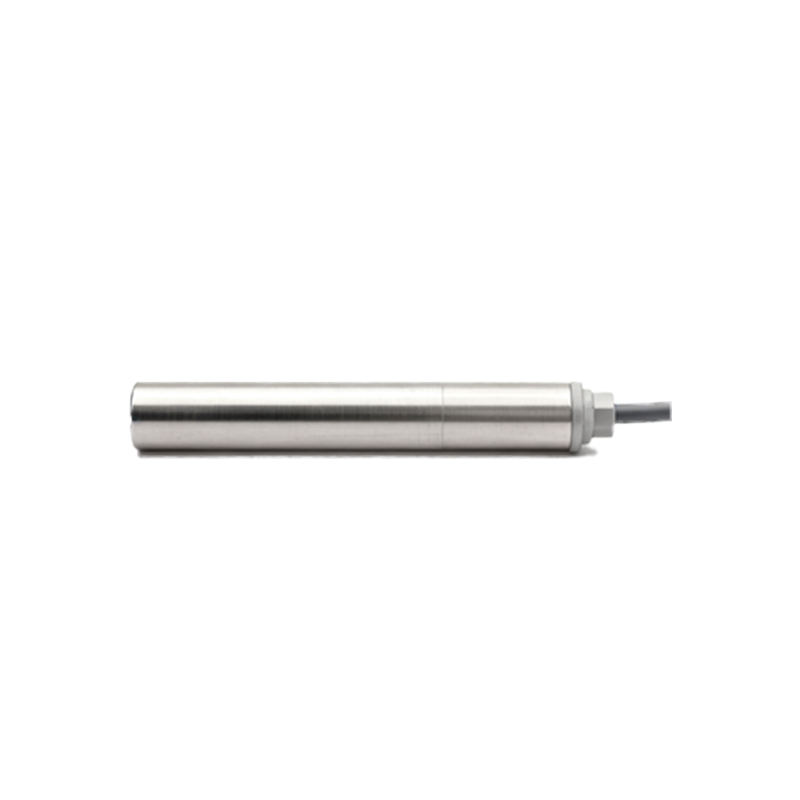
The operational benefits of deploying these sensors are substantial. Primarily, they enhance public safety by providing immediate alerts to municipal authorities or utility companies when a cover is dislodged or opened without authorization. This rapid notification can prevent accidents involving pedestrians or vehicles, reducing liability and protecting community welfare. Furthermore, these systems play a crucial role in asset protection and loss prevention. Theft of heavy metal covers for scrap value remains a persistent issue in many regions; sensor-triggered alarms act as a powerful deterrent and enable quicker recovery responses. From an operational efficiency standpoint, sensor data integrated into a centralized Geographic Information System (GIS) or Internet of Things (IoT) platform allows for predictive maintenance scheduling, optimized inspection routes, and comprehensive asset lifecycle tracking. This data-driven approach moves infrastructure management from a reactive, schedule-based model to a condition-based, predictive paradigm.
The technical implementation of a manhole cover proximity sensing system requires careful consideration of several engineering factors. Environmental resilience is paramount. Sensors must be encapsulated in housings rated for high Ingress Protection (IP) standards (e.g., IP68 or IP69K) to withstand prolonged immersion in water, exposure to sewage gases, corrosive chemicals, and extreme temperature fluctuations. Power management is another critical challenge. While wired solutions connected to municipal power grids are feasible in some upgrades, most deployments rely on long-life, industrial-grade batteries or energy-harvesting techniques, such as solar or kinetic energy from passing traffic, to ensure years of maintenance-free operation. The communication protocol forms the system's backbone. Low-Power Wide-Area Network (LPWAN) technologies like LoRaWAN, NB-IoT, or Sigfox are exceptionally well-suited for this application. They offer long-range connectivity, deep penetration through urban structures and soil, and minimal power consumption, enabling the wireless transmission of status packets from hundreds of manhole covers to a central gateway.
Beyond basic open/close status, advanced sensor systems are evolving to offer richer data streams. Some units incorporate tilt or vibration sensors to detect partial lifting or attempted forced entry. Others may include sensors for monitoring internal environmental conditions, such as water level, toxic gas concentrations (e.g., H2S, CH4), or temperature within the manhole shaft. This multifunctional capability transforms a simple cover monitor into a comprehensive node for underground infrastructure health assessment, providing invaluable data for flood warning systems, worker safety protocols, and utility operation management.
In conclusion, proximity sensors for manhole covers are far more than simple anti-theft devices. They are foundational components of intelligent urban infrastructure, enabling safer, more efficient, and more resilient cities. By providing real-time, actionable intelligence on the state of these critical access points, municipalities and utility operators can shift from costly and inefficient manual inspections to automated, data-centric stewardship of vital public assets. As sensor technology continues to advance in durability, affordability, and connectivity, its widespread adoption will become a standard benchmark for modern, responsible urban infrastructure management worldwide.