Proximity switch sensors are indispensable components in modern industrial automation, offering non-contact detection of metallic and non-metallic objects with high precision and reliability. As an experienced electrical engineer, I have witnessed the evolution of these sensors from basic inductive types to sophisticated capacitive, ultrasonic, and photoelectric variants, each tailored to specific operational needs.
Inductive proximity sensors, the most common type, generate an electromagnetic field to detect ferrous and non-ferrous metals without physical contact. They excel in harsh environments—such as manufacturing floors with dust, oil, or vibration—due to their robust construction and immunity to environmental interference. For instance, in conveyor systems, inductive sensors monitor product positioning, ensuring seamless assembly line operations. Their operating frequencies can reach up to 5 kHz, enabling rapid detection critical for high-speed applications.
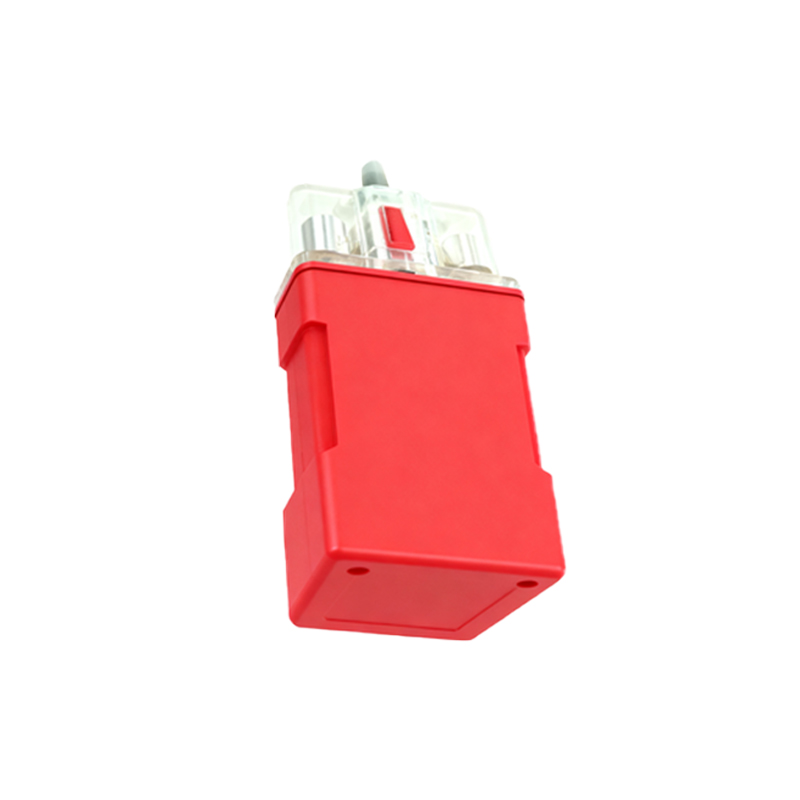
Capacitive proximity sensors extend functionality to non-metallic materials like plastics, liquids, and granular substances by measuring changes in capacitance. In packaging industries, these sensors verify fill levels in containers or detect transparent films, reducing material waste and enhancing quality control. With sensing ranges adjustable up to 40 mm, they provide versatility in complex setups.
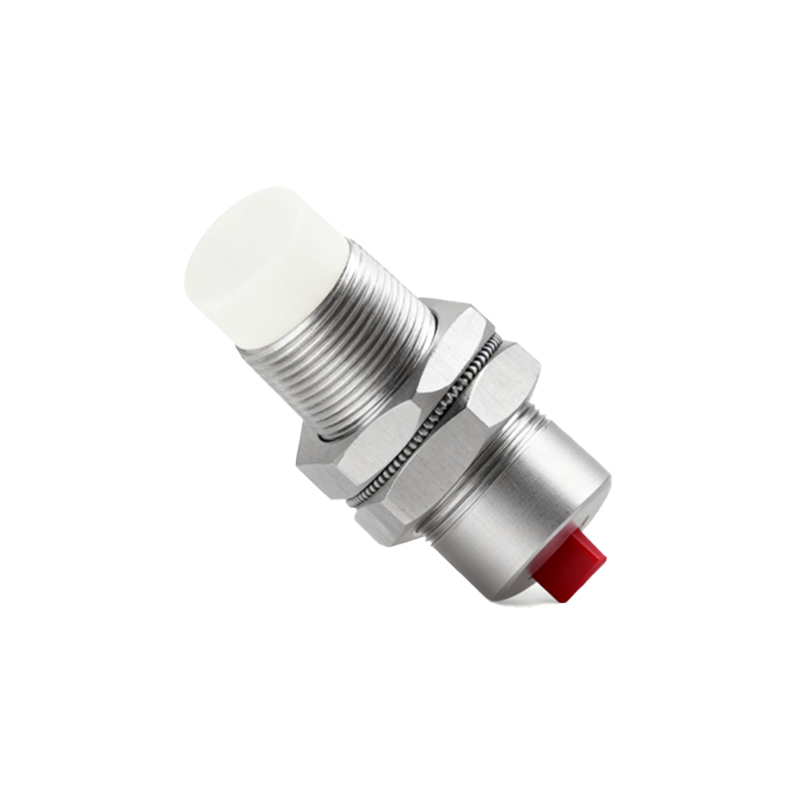
Ultrasonic and photoelectric sensors offer extended ranges for diverse object detection. Ultrasonic variants use sound waves to measure distances up to 8 meters, ideal for bulk material monitoring in silos or liquid level control. Photoelectric sensors, employing infrared or laser beams, detect objects from millimeters to hundreds of meters away, perfect for automated guided vehicles (AGVs) and safety barriers.
Key technical considerations include sensing distance, response time, and environmental ratings. For example, a standard inductive sensor with a 10 mm range typically responds within 0.5 ms, while IP67-rated housings protect against water and dust ingress. Proper installation is crucial; misalignment or electrical noise from nearby motors can cause false triggers. Shielding techniques and stable power supplies (commonly 10-30 VDC) mitigate such issues.
In automotive manufacturing, proximity sensors coordinate robotic arms for welding and painting, boosting efficiency by 30% in some cases. Similarly, in food processing, stainless-steel sensors with hygienic designs prevent contamination while detecting packaging seals.
Emerging trends integrate IoT connectivity, enabling real-time diagnostics and predictive maintenance via industrial networks like IO-Link. Smart sensors can self-monitor wear or contamination, alerting technicians before failures occur—a leap toward Industry 4.0.
Despite advancements, challenges persist. Extreme temperatures (below -25°C or above 70°C) may require specialized models, and detecting small or fast-moving objects demands high-frequency sensors. Regular calibration and adherence to standards like IEC 60947-5-2 ensure longevity.
Ultimately, selecting the right proximity sensor hinges on application specifics: target material, environmental conditions, and required precision. By leveraging these devices, industries achieve enhanced safety, reduced downtime, and optimized workflows, underscoring their role as pillars of automation.