In the realm of industrial automation and electronic design, proximity sensors are indispensable components. A critical, yet often scrutinized, parameter is their power consumption. This metric directly impacts system efficiency, heat generation, battery life in portable devices, and overall operational costs. Unlike a single, universal figure, the power consumption of a proximity sensor is a variable dependent on a confluence of factors including its underlying technology, operational mode, and specific application demands.
The primary determinant of power draw is the sensing technology itself. Inductive proximity sensors, widely used for metal detection, typically operate by generating an electromagnetic field. Their power consumption is largely constant during operation, often ranging from 1 to 3 watts for standard models, depending on the sensing distance and housing size. Capacitive sensors, used for detecting non-metallic materials, function similarly and exhibit comparable power characteristics.

A significant advancement in low-power design is seen in photoelectric sensors, especially those employing modulated infrared LED light. While their active current draw during the detection phase can be similar to inductive types, many modern variants incorporate sophisticated power-saving techniques. These include pulsed LED operation, where the emitter is activated in very short, high-intensity bursts, drastically reducing the average current consumption, sometimes to the milliampere range.
However, the landscape of power efficiency was fundamentally transformed with the advent of active electronic sensors, most notably those based on the Time-of-Flight (ToF) principle, Hall effect, or magnetoresistive technologies. For instance, many digital Hall-effect sensors used for position sensing in brushless DC motors have quiescent currents in the microampere range. Similarly, advanced ToF sensors for precise distance measurement can intelligently manage their power states, drawing minimal current when idle and higher current only during measurement cycles.
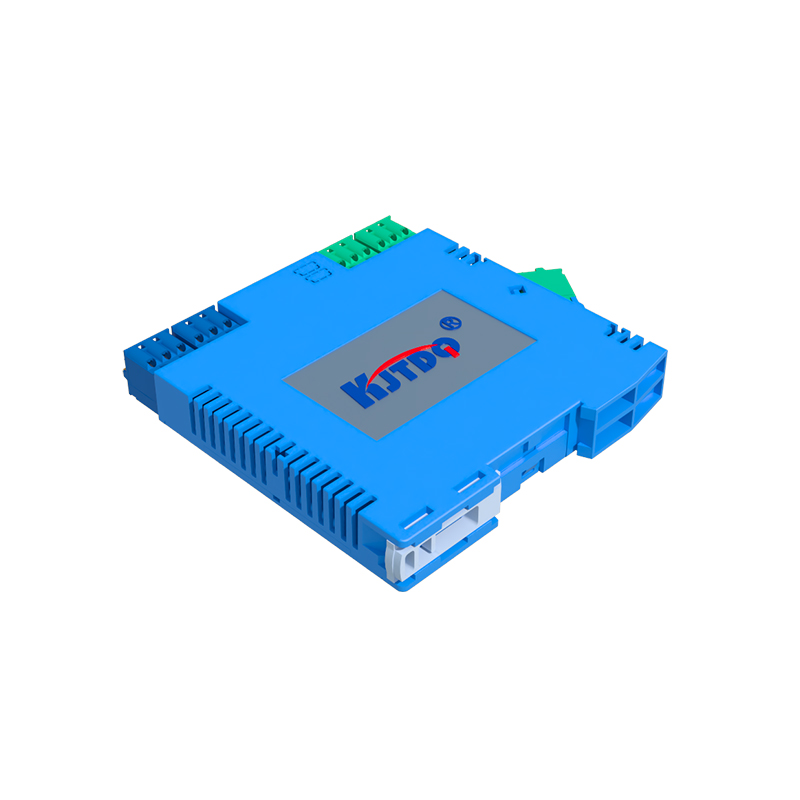
The operational mode is the second major factor. A sensor configured for a simple on/off (digital) output generally consumes less power than one providing a continuous analog signal (e.g., 4-20 mA or 0-10 V), as the latter requires constant excitation and signal conditioning circuitry. Furthermore, sensors with integrated features like IO-Link communication or programmable logic functions will inherently have a higher base power requirement to support the embedded microcontroller and communication interface.
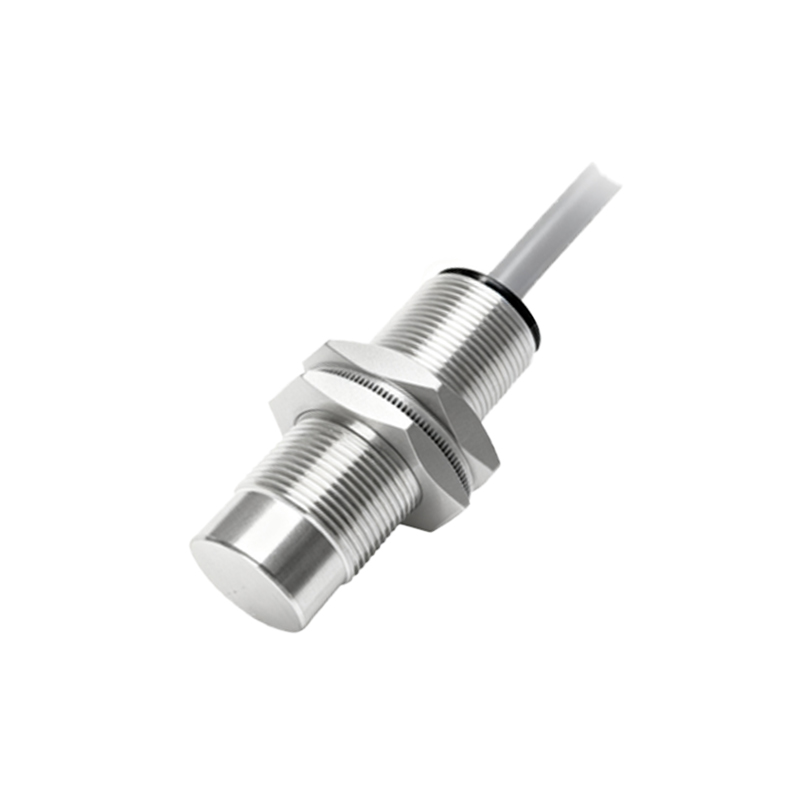
Design architecture plays a crucial role. Two-wire DC sensors, which derive their operating power directly from the load current flowing through them, are inherently efficient for simple switching applications. In contrast, three-wire or four-wire sensors have separate supply and output lines, offering more flexibility but with a distinct, constant supply current draw even when the output is not activated.
For engineers, the key specifications to examine on a datasheet are the supply voltage range and the current consumption. This is usually listed as a maximum or typical value under specified conditions, such as "Supply Current: 15 mA max. at 24 VDC." For a comprehensive analysis, one must consider the entire duty cycle. A sensor in a high-speed packaging line, cycled thousands of times per hour, will have a different average power profile than one monitoring a rarely opened safety door.
In battery-critical applications like wireless IoT devices or handheld instruments, the focus shifts to average power over time. Here, sensors with ultra-low-power sleep modes (nanoampere or microampere levels) and fast wake-up times are paramount. The system design often involves putting the sensor into deep sleep and waking it at precise intervals to take a measurement, thereby minimizing the energy budget.
In conclusion, asking "what is the power consumption of a proximity sensor?" is akin to asking about the fuel efficiency of a vehicle—the answer depends on the type, model, and how it's driven. For standard industrial inductive or capacitive sensors, expect power draws in the 1-3 watt range. For photoelectric and advanced solid-state sensors, consumption can be an order of magnitude lower, especially when leveraging pulsed or smart power management modes. The definitive answer always lies in the manufacturer's datasheet, interpreted within the context of the specific application's voltage, duty cycle, and performance requirements. Prioritizing low-power sensor selection and system design is no longer just an option for niche applications; it is a fundamental aspect of creating sustainable, efficient, and cost-effective industrial and electronic systems.