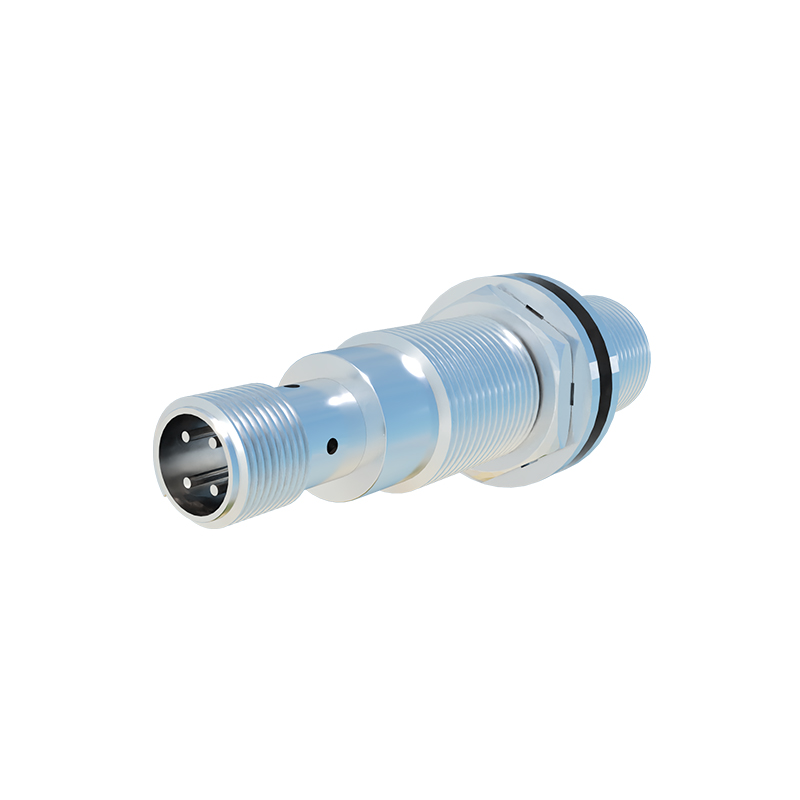
In the realm of industrial automation and precise control, proximity sensors are indispensable. Among the various technologies available, Hall Effect proximity sensors stand out for their reliability, durability, and contactless operation. This article delves into the working principle, common types, key specifications, and typical applications of these versatile electronic components.
The fundamental operation of a Hall Effect sensor is based on the physical phenomenon discovered by Edwin Hall in 1879. When a current-carrying conductor or semiconductor is placed in a perpendicular magnetic field, a voltage difference, known as the Hall voltage, is generated across the conductor. This voltage is proportional to the strength of the magnetic field. A Hall Effect proximity sensor leverages this principle. It integrates a Hall element (the sensing chip), a permanent magnet, and signal conditioning circuitry into a single package. When a ferromagnetic target (like a gear tooth or a metal flag) approaches the sensor face, it disturbs or concentrates the magnetic field from the internal magnet. This change in magnetic flux density is detected by the Hall element, which produces a corresponding change in output voltage. This electrical signal is then processed by the internal circuitry to provide a clean, digital ON/OFF switch signal or a linear analog output, indicating the presence or absence of the target.
Hall Effect sensors are primarily categorized into two main types based on their output: digital (switch) and analog (linear). Digital Hall sensors operate as switches. They have a predefined magnetic threshold. When the magnetic field strength exceeds this threshold, the output transistor switches state (e.g., from HIGH to LOW). These are further divided into unipolar (responsive to one pole of a magnet, typically the south pole) and bipolar (responsive to both poles, often latching on with one pole and releasing with the opposite). Digital sensors are ubiquitous in applications requiring simple position detection, such as counting revolutions, detecting end-of-travel limits, or sensing door closure.
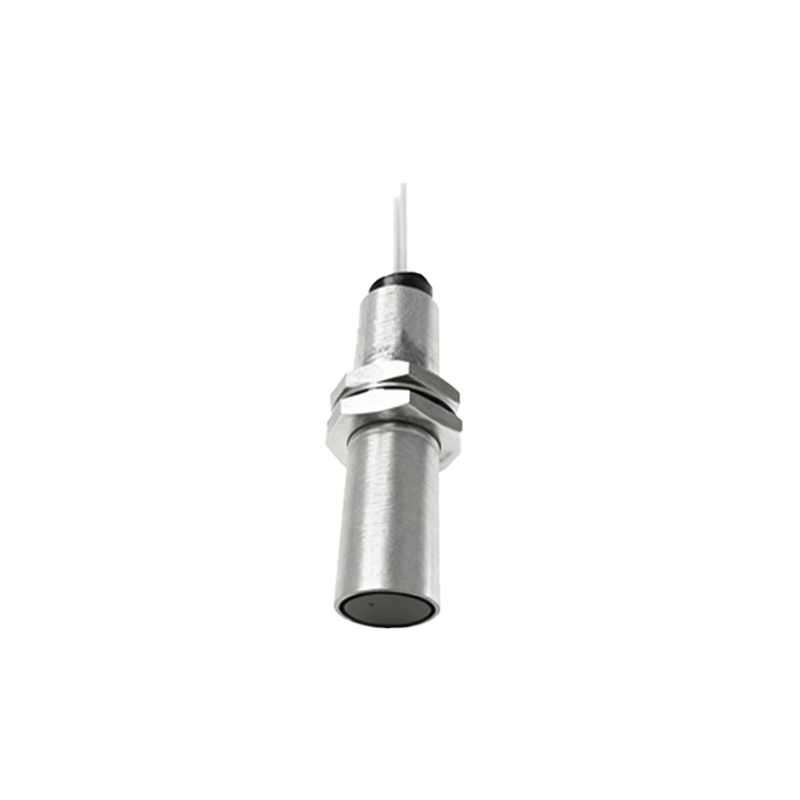
Analog Hall sensors, on the other hand, provide a continuous output voltage that is directly proportional to the strength of the magnetic field. They do not have a built-in Schmitt trigger or switching circuit. The output varies linearly with the changing magnetic flux as the target moves. This makes them ideal for tasks requiring precise measurement of position, distance, or current (when used in conjunction with a current concentrator). For instance, they are used in throttle position sensing, fluid level sensing with a floating magnet, or non-contact potentiometers.
Several critical specifications define the performance of a Hall Effect proximity sensor. Sensing distance, typically specified for a standard mild steel target, is a primary consideration. Operating voltage range (e.g., 4.5V to 24V DC) and output type (NPN sinking, PNP sourcing, push-pull) must match the control system. Response frequency indicates how quickly the sensor can detect targets passing by, crucial for high-speed counting. Additionally, factors like temperature range, housing material (often nickel-plated brass or stainless steel for robustness), and protection ratings (IP67, IP69K for washdown environments) are vital for industrial durability.
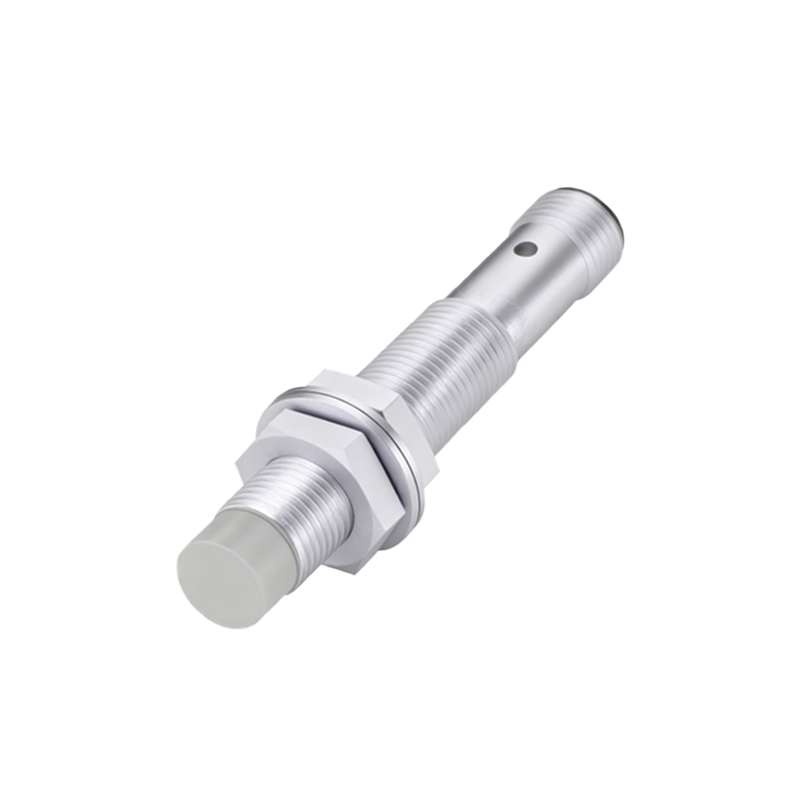
The application spectrum for Hall Effect proximity sensors is vast across numerous industries. In automotive systems, they are used for crankshaft and camshaft position sensing, wheel speed sensing for ABS, and detecting seatbelt engagement. In factory automation, they are employed for precise positioning of robotic arms, detecting the presence of metal parts on conveyors, and monitoring the speed and position of motor shafts. Their solid-state nature, with no moving parts and no physical contact with the target, ensures exceptionally long life, immunity to contamination from dust, oil, and moisture, and resistance to mechanical wear. Unlike inductive proximity sensors, which only detect metals, Hall Effect sensors specifically respond to magnetic fields, allowing for unique applications like sensing the position of a permanent magnet embedded in a non-metallic object.
When selecting a Hall Effect sensor, engineers must carefully evaluate the target material (ferromagnetic is most effective), the required sensing distance, the electrical interface, and the environmental conditions. Proper shielding may be necessary in environments with strong stray magnetic fields. Installation is also key; ensuring the correct air gap and alignment relative to the target guarantees optimal performance.
In conclusion, Hall Effect proximity sensors are a cornerstone of modern electromechanical sensing. Their ability to provide non-contact, wear-free, and highly reliable detection of position and movement in harsh conditions makes them an essential tool for engineers designing smarter, more efficient, and more robust industrial systems and consumer products. As technology advances, these sensors continue to evolve with enhanced sensitivity, miniaturization, and integrated smart features, further expanding their role in the interconnected world of automation.