In the rapidly evolving landscape of smart home technology, home laser sensors have emerged as pivotal components, offering unparalleled precision, reliability, and versatility. These devices, which utilize laser beams to detect motion, measure distances, or monitor environmental changes, are transforming how we interact with our living spaces. From enhancing security systems to optimizing energy efficiency, the applications of laser sensors in residential settings are both diverse and impactful.
At their core, home laser sensors operate on principles of light detection and ranging (LiDAR) or time-of-flight (ToF) measurements. A laser emitter sends out a focused beam of light, which, upon hitting an object, reflects back to a detector. By calculating the time it takes for the light to return or analyzing changes in the beam's properties, these sensors can determine an object's presence, distance, speed, or even composition. This technology is far more accurate than traditional infrared or ultrasonic sensors, with minimal interference from ambient conditions like temperature or humidity.
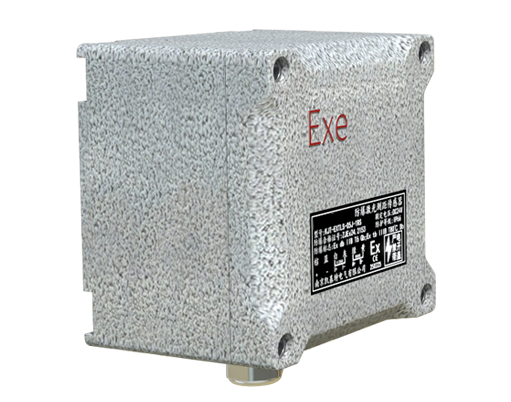
One of the most prominent uses of home laser sensors is in security and surveillance. Integrated into alarm systems, they can detect intruders with high sensitivity, reducing false alarms triggered by pets or moving curtains. For instance, laser tripwire sensors create an invisible beam across entry points; if disrupted, they instantly trigger alerts to homeowners' smartphones or security centers. Similarly, laser-based motion sensors in outdoor lighting ensure that pathways are illuminated only when needed, deterring potential threats while conserving energy.
Beyond security, these sensors play a crucial role in home automation and energy management. Smart thermostats equipped with laser sensors can monitor room occupancy, adjusting heating or cooling systems based on real-time human presence rather than preset schedules. This not only enhances comfort but also leads to significant reductions in utility bills. In kitchen appliances, laser sensors are being incorporated into ovens and refrigerators to measure food portions or detect spoilage, contributing to smarter, waste-reducing households.
The integration of laser sensors with Internet of Things (IoT) platforms has further expanded their capabilities. Through Wi-Fi or Bluetooth connectivity, data from sensors can be analyzed to provide insights into daily routines, such as sleep patterns or activity levels, enabling personalized health monitoring. For example, laser sensors embedded in mirrors can track subtle body movements to assess posture or vital signs, offering a non-intrusive way to support wellness goals.
However, adopting home laser sensors requires consideration of factors like installation, cost, and privacy. While DIY models are available for basic functions, professional setup may be needed for complex systems to ensure optimal alignment and calibration. Prices vary widely, from affordable motion detectors to high-end LiDAR modules for advanced robotics, but the long-term benefits often justify the investment. Privacy concerns also arise, as these sensors collect detailed data about home activities; choosing products from reputable brands with robust encryption and clear data policies is essential.
Looking ahead, advancements in miniaturization and artificial intelligence are set to make home laser sensors even more intuitive. Future iterations may feature adaptive learning algorithms that predict user behavior or integrate with augmented reality for immersive home control. As the technology becomes more accessible, it will likely become a standard in new constructions and retrofits, paving the way for truly intelligent homes that respond seamlessly to occupants' needs.
In summary, home laser sensors represent a significant leap forward in residential technology, blending cutting-edge physics with practical everyday applications. By understanding their mechanisms and potential, homeowners can make informed decisions to create safer, more efficient, and connected living environments. Whether for peace of mind, cost savings, or convenience, these devices are redefining the modern home experience.