In the realm of industrial automation, achieving precise, reliable, and long-distance detection of color marks or patterns is a critical challenge. Traditional photoelectric sensors often fall short in applications requiring discrimination based on color at extended ranges or in variable lighting conditions. This is where Long Range Laser Color Mark Sensors emerge as a sophisticated solution, combining the pinpoint accuracy of laser technology with advanced color recognition capabilities.
Unlike conventional diffuse or retro-reflective sensors that primarily detect presence or absence based on light intensity, laser color mark sensors utilize a focused laser beam. This beam is directed at the target surface. The sensor's high-resolution receiver then analyzes the specific wavelength (color) of the reflected light. By comparing this reflected signal to a pre-taught reference, the sensor can accurately identify whether the target color mark is present, even on fast-moving production lines. The "long-range" aspect, typically ranging from 300mm to over 2 meters, is made possible by the coherent, collimated nature of the laser light, which minimizes dispersion and maintains a small, precise spot size over distance. This allows for flexible installation and detection of marks on large or inaccessible parts.
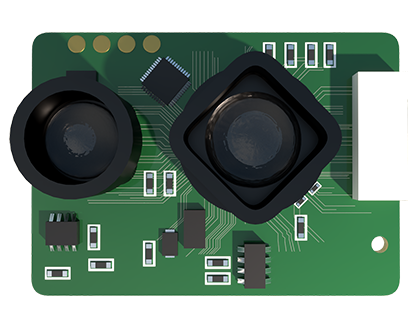
The core technology hinges on a precise optical system and a high-speed processing unit. The laser diode emits a visible red or other specific wavelength laser, providing a clear indication of the detection point. The reflected light passes through specialized optical filters before reaching a high-sensitivity photodetector or a CMOS/CCD array. Advanced models employ RGB (Red, Green, Blue) filtering or full-spectrum analysis to distinguish subtle color differences. The onboard microprocessor executes complex algorithms to evaluate the chromaticity and luminance values, making it immune to ambient light fluctuations and variations in surface gloss or texture. This ensures consistent performance whether detecting registration marks on printing presses, color-coded labels in packaging, or orientation marks in automotive assembly.
Key advantages of deploying long-range laser color mark sensors are numerous. First is Exceptional Accuracy and Stability: The laser's focused spot enables detection of very small marks or precise edges, crucial in high-precision industries like electronics manufacturing. Second is Long Stand-Off Distance: Engineers can mount the sensor away from harsh environments (heat, debris) or large machinery, simplifying maintenance and protecting the sensor. Third is Superior Color Discrimination: These sensors can differentiate between shades that are indistinguishable to the human eye or standard sensors, such as detecting a specific shade of blue on a similar blue background. Fourth is High-Speed Response: With response times in the microsecond range, they are perfectly suited for high-speed production lines in bottling, labeling, and converting applications. Finally, Reduced False Triggers: By focusing on color data rather than just reflectivity, they ignore irrelevant background objects or changes in material surface, significantly boosting system reliability.
Typical applications span a wide array of industries. In the packaging industry, they are indispensable for detecting print registration marks (CMYK or specific PMS colors) on flexible films, cartons, and labels to ensure perfect print alignment. In automotive manufacturing, they verify the presence and color of wiring harness markings, gaskets, or painted components on assembly lines. The textile industry uses them to sense color patterns or selvage marks on fabrics during processing. In paper and print finishing, they control cutting, folding, and sorting by detecting color patches. Furthermore, in logistics and material handling, they read color-coded barcodes or sorting labels on parcels and containers from a distance, automating routing decisions.
When selecting a long-range laser color mark sensor, several parameters require careful consideration. Sensing Distance: Match the sensor's specified range to the application's required stand-off. Spot Size: A smaller spot allows for detecting finer marks but requires more precise alignment. Color Resolution: Determine the minimum color difference the sensor must discern. Response Time: Must be faster than the line speed and mark passage frequency. Environmental Ratings: Look for robust housings (often IP67 or higher) and temperature specifications suitable for the plant environment. Setup and Teach-in Method: Modern sensors feature simple one-button teaching, remote teach via IO-Link, or software configuration for complex multi-color tasks. Outputs: Standard digital outputs (NPN/PNP) or analog outputs for grading applications are common.
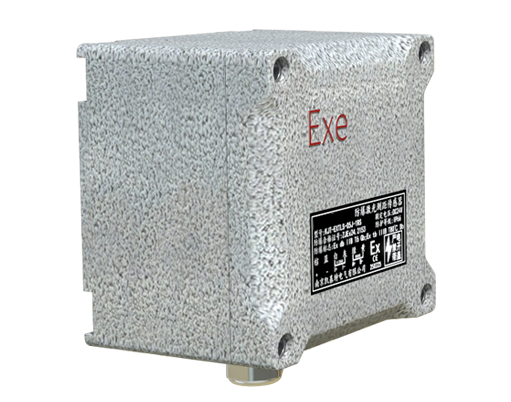
Installation and alignment are critical for optimal performance. The sensor should be mounted securely to minimize vibration. The laser spot must be accurately positioned on the mark area. Many sensors include built-in alignment aids like a visible laser spot or a through-beam alignment mode. It is crucial to teach the sensor under actual production conditions, capturing the reference color when the mark is perfectly presented. Regular maintenance involves keeping the lens clean from dust and verifying performance periodically with a test mark.
In conclusion, long-range laser color mark sensors represent a significant leap forward in industrial sensing technology. They solve complex detection problems where distance, speed, and color fidelity are paramount. By providing unwavering accuracy in challenging conditions, they enhance product quality, reduce waste, and increase overall equipment effectiveness (OEE). As automation demands grow more sophisticated, the role of these intelligent sensors in enabling flexible, precise, and reliable manufacturing processes will only become more central. Their ability to "see" color with laser precision from afar makes them an invaluable tool in the modern industrial landscape.