Proximity sensors are indispensable components in modern industrial automation, offering non-contact detection of objects without physical interaction. Selecting the right proximity sensor is critical for ensuring system reliability, efficiency, and safety. This guide provides a comprehensive overview of key factors to consider during the selection process, tailored for engineers and technical professionals in the electrical and automation sectors.
First, understand the primary types of proximity sensors available. Inductive sensors detect metallic objects using electromagnetic fields, making them ideal for metal detection in machinery. Capacitive sensors can detect both metallic and non-metallic materials, such as plastics, liquids, or granular substances, by measuring changes in capacitance. Ultrasonic sensors utilize sound waves to detect objects, suitable for applications requiring longer sensing ranges or challenging environmental conditions. Photoelectric sensors employ light beams to sense objects, offering versatility in detecting various materials and colors. Each type has distinct operating principles, advantages, and limitations, so identifying the application's specific needs is the first step toward optimal selection.
Next, evaluate the environmental conditions where the sensor will operate. Industrial settings often involve extreme temperatures, humidity, dust, vibrations, or exposure to chemicals. For instance, in high-temperature environments like foundries, sensors with robust housings and extended temperature ratings are essential. Similarly, in washdown areas or outdoor installations, sensors with high IP (Ingress Protection) ratings, such as IP67 or IP69K, ensure resistance to water and dust ingress. Consider potential interference from other electrical devices, as electromagnetic noise can affect sensor performance. Shielding and proper installation practices help mitigate such issues.
Sensing range and target material are crucial parameters. The sensing range defines the maximum distance at which the sensor can reliably detect an object. Ensure the selected sensor's range accommodates the application's requirements with a safety margin. For inductive sensors, the sensing distance may vary based on the target metal type; ferrous metals like iron typically allow longer ranges than non-ferrous metals like aluminum or copper. Capacitive sensors require calibration based on the dielectric constant of the target material, while photoelectric sensors may need adjustments for color or reflectivity. Always refer to manufacturer datasheets for precise specifications and perform real-world testing if possible.
Output configuration and electrical compatibility must align with the control system. Proximity sensors commonly provide digital outputs, such as NPN (sinking) or PNP (sourcing) transistor outputs, or analog outputs for continuous measurement. Choose an output type that matches the input requirements of your PLC (Programmable Logic Controller) or other control devices. Voltage ratings, current capacity, and wiring schemes should be verified to prevent electrical mismatches. Additionally, consider response time—the speed at which the sensor reacts to target presence—for high-speed applications like packaging or assembly lines, where milliseconds matter.
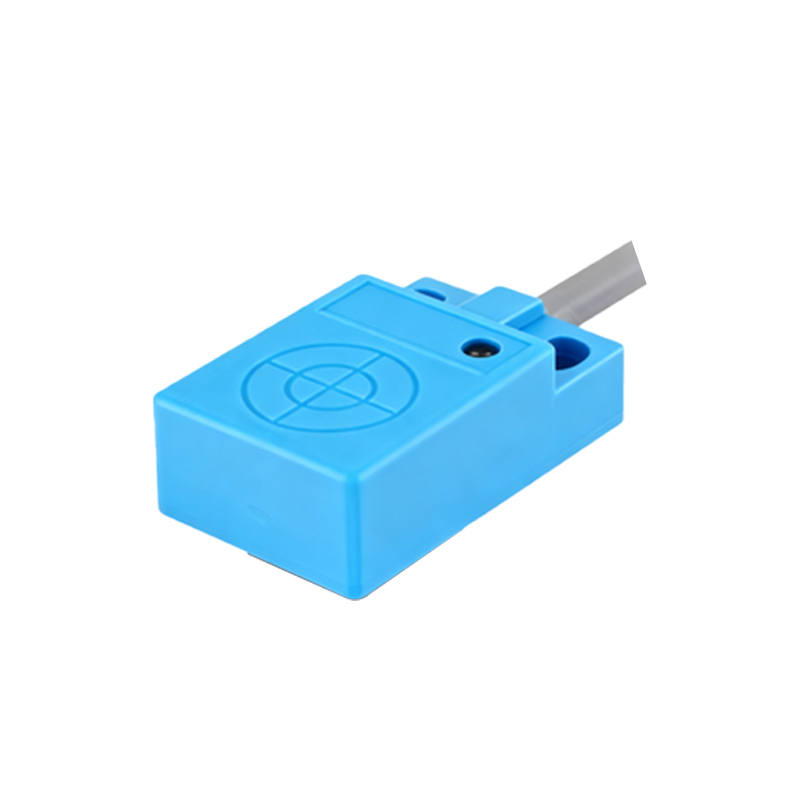
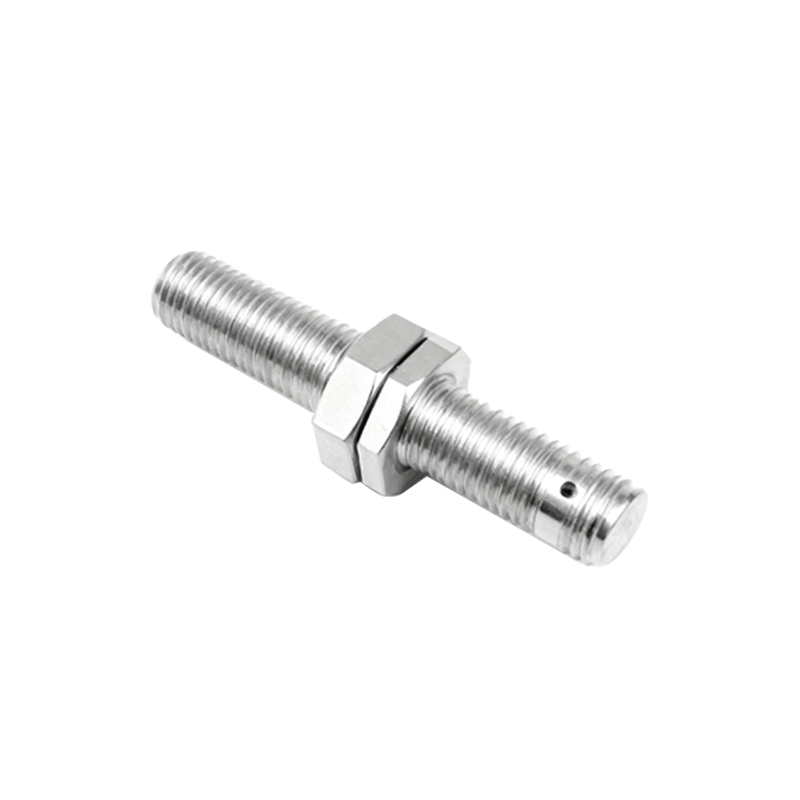
Mounting and physical dimensions play a practical role in integration. Space constraints in machinery may necessitate compact or cylindrical sensors, while specialized shapes like rectangular or ring sensors suit specific installations. Factor in mounting options, such as flush or non-flush mounting for inductive sensors, which affect sensing distances. Flush-mounted sensors can be installed embedded in metal, reducing vulnerability to mechanical damage but offering shorter ranges. Non-flush mounts provide longer ranges but require careful positioning to avoid collisions.
Finally, consider long-term reliability and maintenance. Opt for sensors from reputable manufacturers with proven durability and compliance with industry standards like IEC 60947-5-2. Look for features like LED indicators for diagnostics, which simplify troubleshooting. Evaluate total cost of ownership, including initial purchase, installation, and potential downtime due to failures. In critical applications, redundancy or using sensors with self-monitoring capabilities may be warranted.
In summary, selecting a proximity sensor involves a systematic approach: define the application requirements, assess environmental factors, verify technical specifications, ensure compatibility, and prioritize reliability. By following these guidelines, engineers can enhance automation system performance, reduce operational risks, and achieve sustainable efficiency in industrial operations.