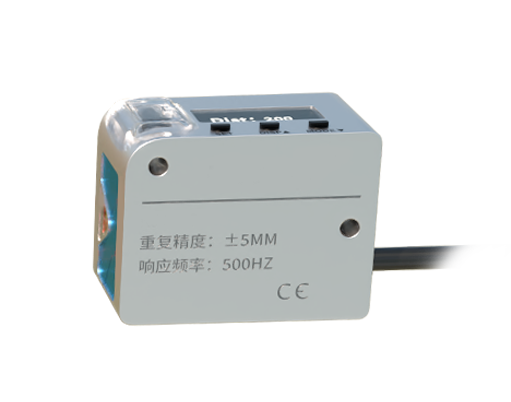
In the rapidly evolving landscape of industrial automation and precision engineering, the ATK laser distance sensor stands as a pivotal technology, enabling accurate, non-contact measurement across diverse applications. Utilizing time-of-flight (ToF) or phase-shift principles, these sensors emit modulated laser beams toward a target, calculating distance by analyzing the reflected light's return time or phase difference. This method ensures high-resolution measurements, often within sub-millimeter accuracy, even over extended ranges up to several hundred meters.
The core advantages of ATK laser sensors lie in their robustness and versatility. Designed to withstand harsh industrial environments, they feature IP67-rated enclosures that resist dust, moisture, and mechanical vibrations. Unlike traditional contact-based measurement tools, such as calipers or tape measures, laser sensors eliminate wear and tear, reducing maintenance costs and enhancing operational longevity. Their non-invasive nature makes them ideal for delicate surfaces or moving objects, including conveyor belt systems, robotic arms, and automated guided vehicles (AGVs). In manufacturing, ATK sensors facilitate precise quality control by monitoring dimensions, alignments, and thicknesses in real-time, thereby minimizing production errors and material waste.
Integration with modern industrial networks is seamless, thanks to standard communication protocols like IO-Link, Modbus TCP, and PROFINET. This connectivity allows for easy data logging, remote monitoring, and adaptive control within Industry 4.0 frameworks. For instance, in logistics, ATK sensors optimize warehouse management by accurately measuring parcel sizes for automated sorting, while in construction, they aid in leveling and alignment tasks with unparalleled speed. The sensors' compact design and low power consumption further support their deployment in space-constrained or mobile setups, such as drone-based surveying or portable inspection devices.
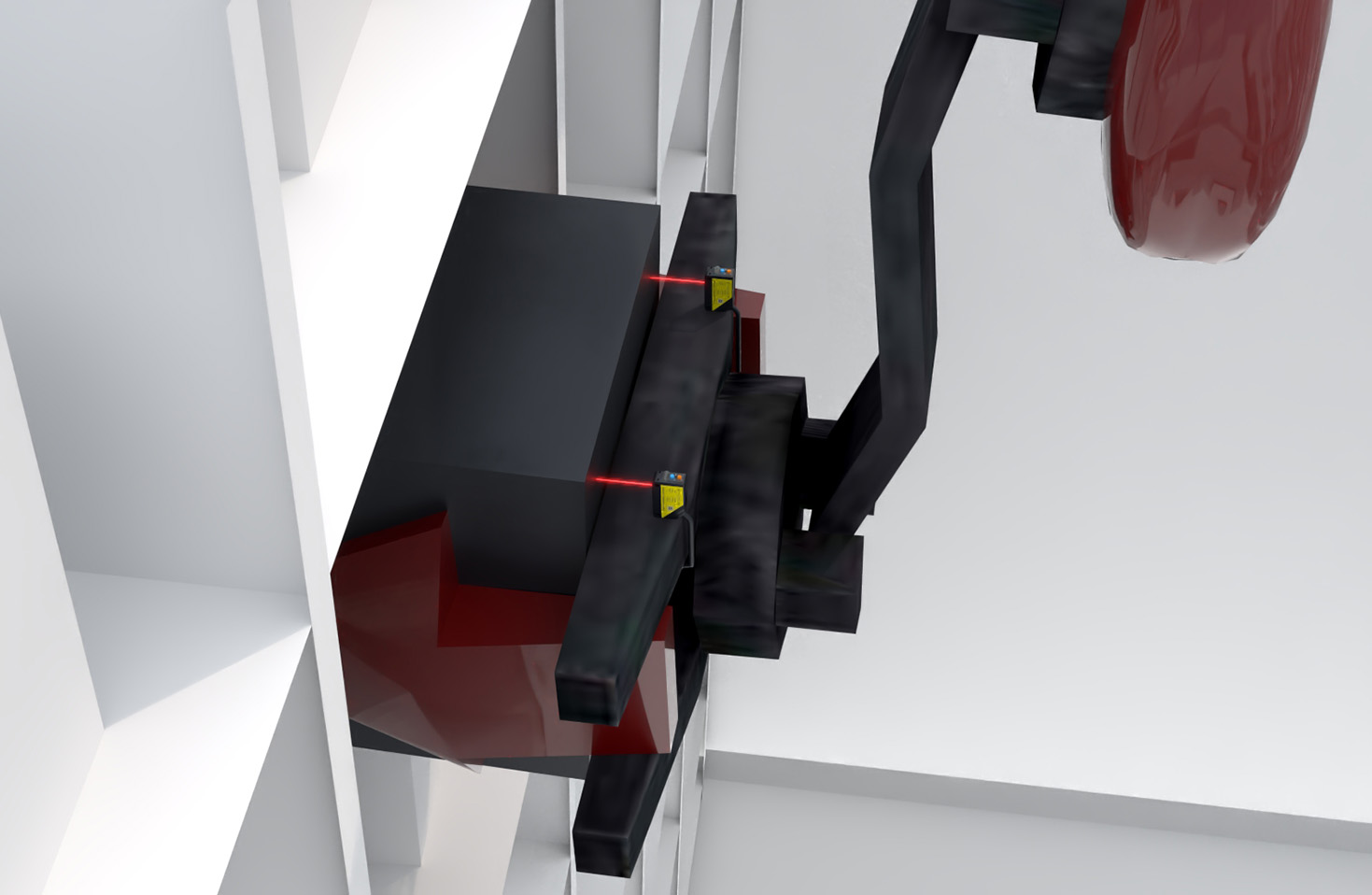
Calibration and setup are straightforward, often involving simple parameter adjustments via software interfaces. Many ATK models incorporate intelligent features like background suppression, which filters out ambient light interference, and multi-echo processing, enabling reliable measurements through transparent materials like glass or plastic. These capabilities ensure consistent performance in challenging scenarios, from outdoor applications under varying sunlight to indoor settings with reflective surfaces.
Looking ahead, advancements in laser diode efficiency and signal processing algorithms promise even greater precision and affordability. As industries increasingly prioritize smart automation, the ATK laser distance sensor will continue to be a cornerstone technology, driving efficiency and innovation in sectors ranging from automotive and aerospace to agriculture and healthcare. By delivering fast, reliable distance data, it empowers systems to make informed decisions, ultimately fostering safer, more productive workflows.
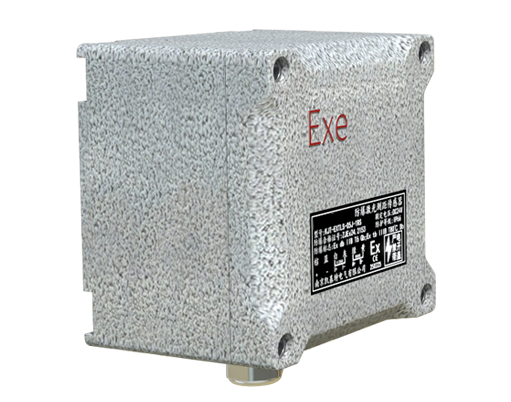
In summary, the ATK laser distance sensor exemplifies how cutting-edge optoelectronics can transform measurement practices. Its blend of accuracy, durability, and connectivity makes it an indispensable tool for engineers seeking to enhance process control and operational intelligence. Whether deployed in factory floors or field operations, it represents a critical step toward fully automated, data-driven industrial ecosystems.