Proximity sensors are a fundamental component in modern automation and electronics, silently performing critical tasks across countless industries. Unlike physical switches, these devices detect the presence or absence of an object within a specific range without any physical contact. This non-contact operation is their defining feature, leading to high reliability, long operational life, and minimal maintenance.
At their core, proximity sensors function by emitting a field or beam and monitoring for changes in that field. The most common types are inductive, capacitive, and photoelectric. Inductive proximity sensors are the workhorses of industrial manufacturing. They generate an electromagnetic field and are exclusively used to detect metallic objects, typically ferrous metals like iron and steel. When a metal target enters this field, it induces eddy currents within the sensor, causing a change in oscillation amplitude. This change triggers the sensor's output circuit to switch. You'll find them reliably counting metal parts on conveyor belts, ensuring robotic arms are in the correct position, or confirming the closure of metal doors and guards.
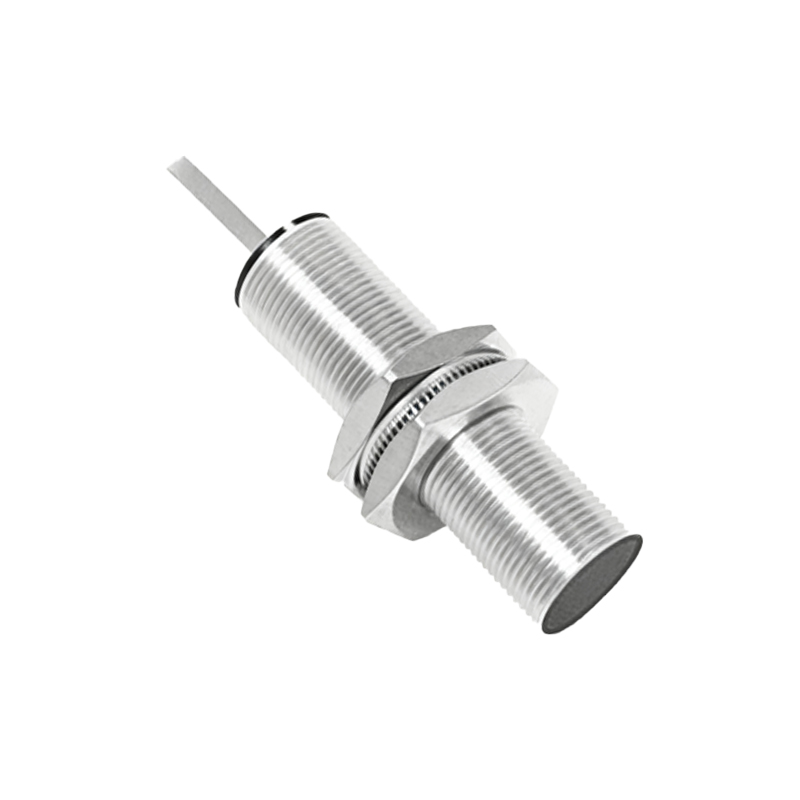
For non-metallic materials, capacitive proximity sensors step in. They can detect a much wider variety of targets, including liquids, plastics, wood, and glass. They operate by generating an electrostatic field. Any object that enters this field alters the capacitance of the sensor's circuit, which is then measured and used to trigger an output. This makes them ideal for level detection in tanks (liquid or granular solids), monitoring the presence of plastic bottles on a production line, or even as touch-sensitive buttons.
Photoelectric sensors, another major category, use light beams. An emitter sends out a beam of light (often infrared, visible red, or laser), and a receiver detects it. The sensing occurs when the target object interrupts this beam (through-beam mode) or reflects it back to the receiver (retro-reflective or diffuse modes). They offer the longest sensing ranges and can detect virtually any material, as long as it affects the light path. Applications range from simple object detection on packaging lines to complex positioning systems.
The output from these sensors is typically a simple digital signal—either ON or OFF. This signal is fed into a control system like a Programmable Logic Controller (PLC), which then initiates the next action, such as stopping a motor, activating a solenoid, or incrementing a counter. Modern sensors also offer analog outputs that provide continuous distance information, enabling more precise control.
The advantages of proximity sensors are numerous. Their non-contact nature eliminates mechanical wear and tear, allowing for incredibly high switching frequencies—some can detect objects thousands of times per second. They are not affected by surface conditions like dirt or oil (with appropriate housing ratings like IP67), making them robust for harsh factory environments. They provide consistent and accurate detection, which is crucial for quality control and safety systems.
In practice, these sensors are ubiquitous. In the automotive industry, they ensure robots weld at exact points. In consumer electronics, they deactivate a smartphone's touchscreen when held to your ear. In food and beverage plants, they verify cap placement on bottles. In automated warehouses, they guide autonomous vehicles and manage inventory. They are essential for machine safety, forming part of interlock systems that prevent access to dangerous moving parts.
Selecting the right sensor involves considering the target material, required sensing distance, environmental conditions (temperature, contaminants), electrical requirements, and physical size. Installation and proper shielding are also critical to avoid false triggers from adjacent metal or sensors interfering with each other.
From smart appliances to advanced robotics, proximity sensors are the unseen enablers of efficiency, safety, and automation. Their continued evolution, with trends toward miniaturization, increased intelligence via IO-Link communication, and greater precision, ensures they will remain indispensable in our increasingly automated world.