In industrial automation and machinery monitoring, turbine proximity sensors play a critical role in detecting the presence, position, or speed of rotating components without physical contact. Understanding the pricing structure for these sensors is essential for procurement specialists, plant managers, and engineers working within budget constraints. The market price for a turbine proximity sensor is not a fixed figure but a variable influenced by a complex interplay of technical specifications, brand reputation, order volume, and supply chain dynamics.
At its core, the price is heavily dictated by the sensor's technical capabilities. Key factors include sensing range, with longer-range models (e.g., 15mm to 40mm) commanding a higher price than standard short-range versions. The type of output signal—such as NPN, PNP, analog (4-20mA, 0-10V), or IO-Link digital—significantly impacts cost, with analog and smart digital outputs adding complexity and expense. Environmental ratings are paramount; sensors rated IP67, IP68, or IP69K for dust and water ingress protection, or those designed for extreme temperatures and high-pressure washdowns, are priced higher than basic industrial models. Additionally, the construction material, typically stainless steel (like 303 or 316 grade) for the housing, adds to the material cost and durability, reflecting in the price. Specialized variants for hazardous areas (ATEX, IECEx) involve rigorous certification processes, leading to a substantial price premium.
Brand positioning is another major determinant. Established global leaders like Turck, Pepperl+Fuchs, ifm electronic, and Balluff are associated with high reliability, extensive R&D, and global support networks. Their products typically occupy the higher end of the price spectrum. Mid-tier brands and specialized manufacturers may offer competitive pricing with a focus on specific applications or comparable performance. The emergence of generic or white-label sensors, often sourced from specific manufacturing regions, presents the lowest price point, though potentially with trade-offs in consistency, longevity, and technical support.
Purchasing channels and volume directly affect the final price. Buying directly from the manufacturer or authorized distributors often ensures authenticity and warranty but may have higher unit prices for small quantities. Large OEMs or integrators purchasing in bulk (hundreds or thousands of units) secure substantial volume discounts that are unavailable for one-off replacements. E-commerce marketplaces and industrial suppliers may offer spot prices that fluctuate based on inventory and promotions.
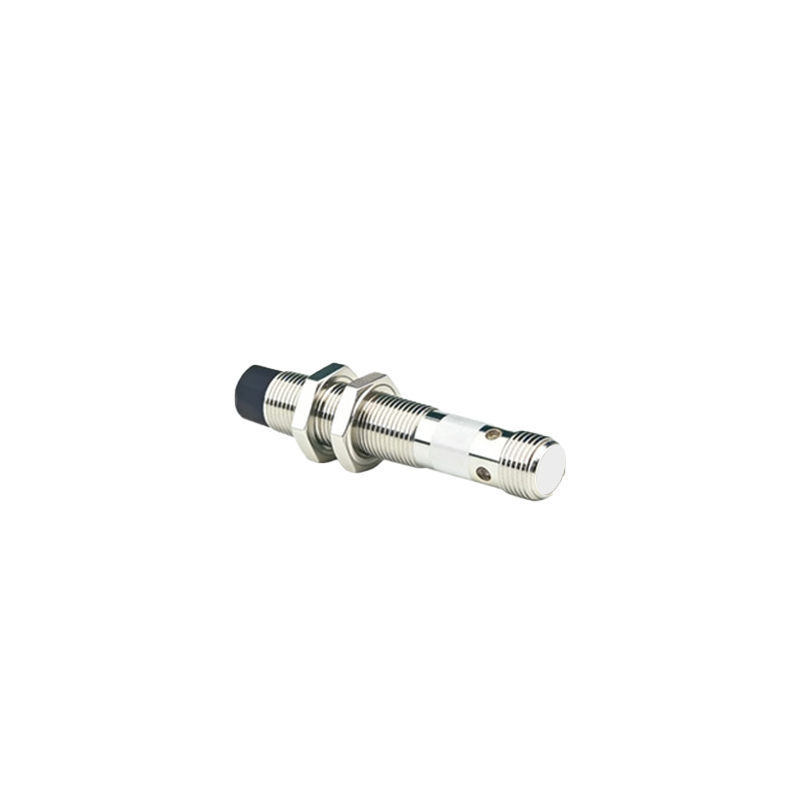
As of the current market analysis, entry-level, standard-range inductive proximity sensors suitable for basic rotational speed detection can start from as low as $20 to $50 per unit. A typical, robust industrial-grade turbine proximity sensor with a standard sensing range, IP67 rating, and PNP output from a reputable brand generally falls in the range of $80 to $200. High-performance models featuring extended range, analog output, exceptional durability, or smart sensor capabilities can range from $200 to $500 or more. Highly specialized sensors for extreme environments or safety-critical applications can exceed $1000 per unit.
Beyond the initial purchase price, the Total Cost of Ownership (TCO) is a crucial consideration. This includes installation costs, maintenance downtime, calibration needs, and expected service life. A higher-priced sensor from a reliable brand with a mean time between failures (MTBF) measured in years often proves more economical than a cheaper alternative that fails prematurely, causing costly production stoppages. Therefore, procurement decisions should balance upfront cost against long-term reliability, availability of spare parts, and the manufacturer's technical support.
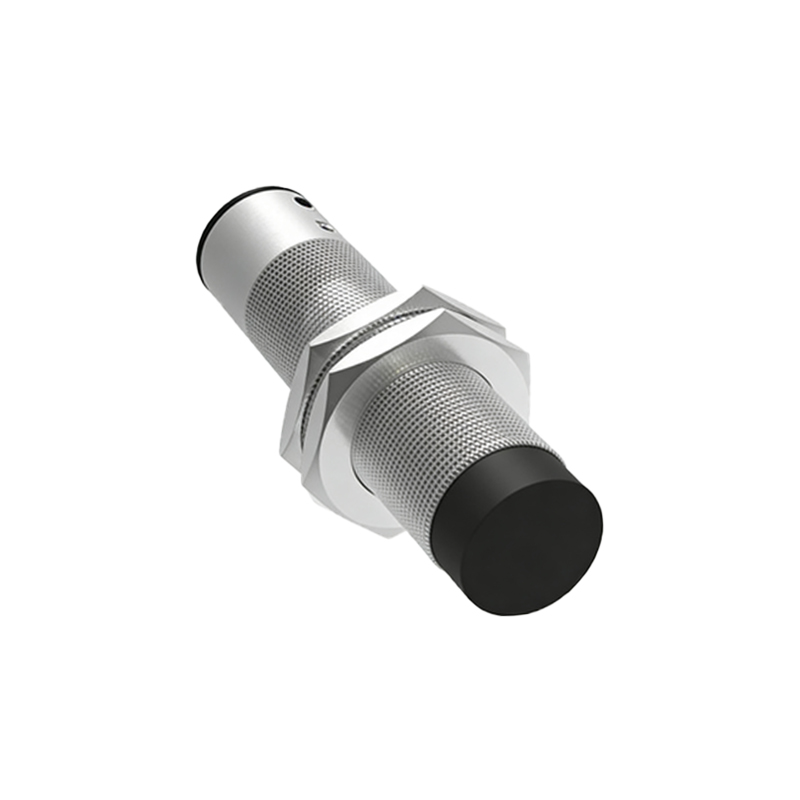
In conclusion, obtaining an accurate turbine proximity sensor quote requires providing detailed application parameters to suppliers. A clear specification sheet outlining required sensing distance, output type, electrical requirements, housing material, thread size, and environmental conditions will yield the most comparable and meaningful quotations. Engaging with multiple reputable suppliers for a like-for-like comparison is the best strategy to navigate the market and secure a solution that offers both technical suitability and economic value.