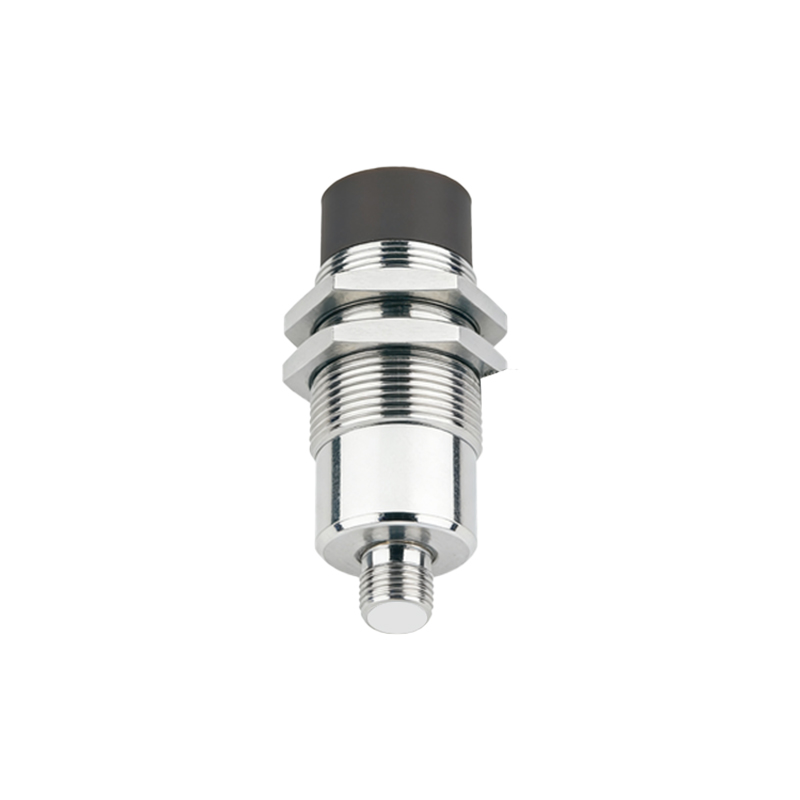
When sourcing proximity sensors for industrial automation, robotics, or consumer electronics, understanding the price landscape is crucial for project budgeting and procurement. The cost of a proximity sensor is not a single figure but a spectrum influenced by a complex interplay of technical specifications, brand reputation, and market dynamics. This guide provides a comprehensive consultation framework to help you navigate pricing factors and make informed purchasing decisions.
The primary determinant of price is the underlying technology and its sensing range. Inductive proximity sensors, used for detecting metallic objects, are generally the most cost-effective, with basic shielded tubular models starting at a very accessible point. Capacitive sensors, capable of detecting both metallic and non-metallic materials like liquids or plastics, typically command a higher price due to their more complex circuitry. Ultrasonic sensors, offering longer ranges and the ability to detect various materials regardless of color or transparency, sit at a higher price bracket. Photoelectric sensors, with their diverse operating modes (through-beam, retro-reflective, diffuse), have a wide price range depending on their range, light source (LED vs. laser), and specialized features.
Beyond the core technology, specifications drastically affect cost. Sensing distance is a key factor; a sensor with a 20mm range will cost less than an identical-technology sensor with a 60mm range. The housing material also plays a role; sensors with robust stainless steel housings for harsh environments (e.g., washdown, chemical exposure) are more expensive than those with nickel-plated brass or PBT plastic housings. Output configuration (NPN vs. PNP, NO vs. NC) is a standard variation, but analog outputs or IO-Link communication functionality add significant cost due to enhanced data capabilities. Environmental ratings, particularly Ingress Protection (IP) codes like IP67 or IP69K, and approvals for specific industries (e.g., ATEX for hazardous areas), introduce substantial premiums.
Brand positioning is another major component. Established global brands like Sick, Omron, Pepperl+Fuchs, and Balluff are associated with high reliability, extensive R&D, global support networks, and longer product lifecycles, which is reflected in their premium pricing. Value-oriented or regional brands may offer comparable specifications at a lower initial cost, which can be attractive for less critical applications or tight budgets. However, the total cost of ownership (TCO), which includes factors like mean time between failures (MTBF), availability of spare parts, and warranty support, should be evaluated alongside the initial purchase price.
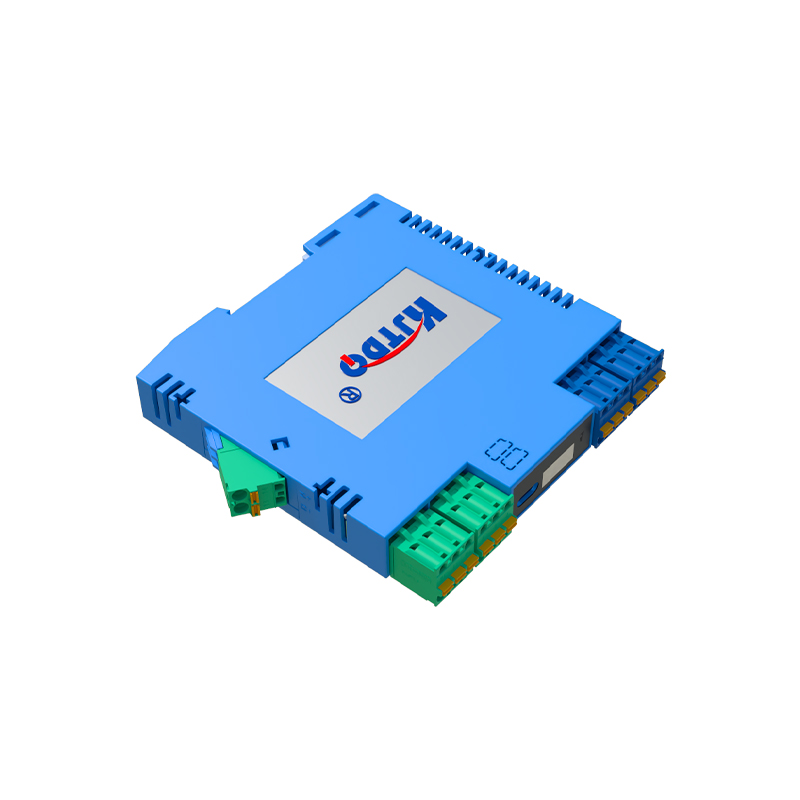
For accurate price consultation, prepare a detailed specification list. Clearly define: the target material (metal type, plastic, liquid), required sensing distance, required output type (digital, analog, IO-Link), operating voltage, housing size and shape (tubular, rectangular), environmental conditions (temperature, presence of dust, water, oils), and any necessary certifications. With this list, you can solicit quotes from multiple distributors or manufacturers. Remember to inquire about bulk pricing tiers; unit prices can drop significantly for orders of 100, 500, or 1000 pieces.
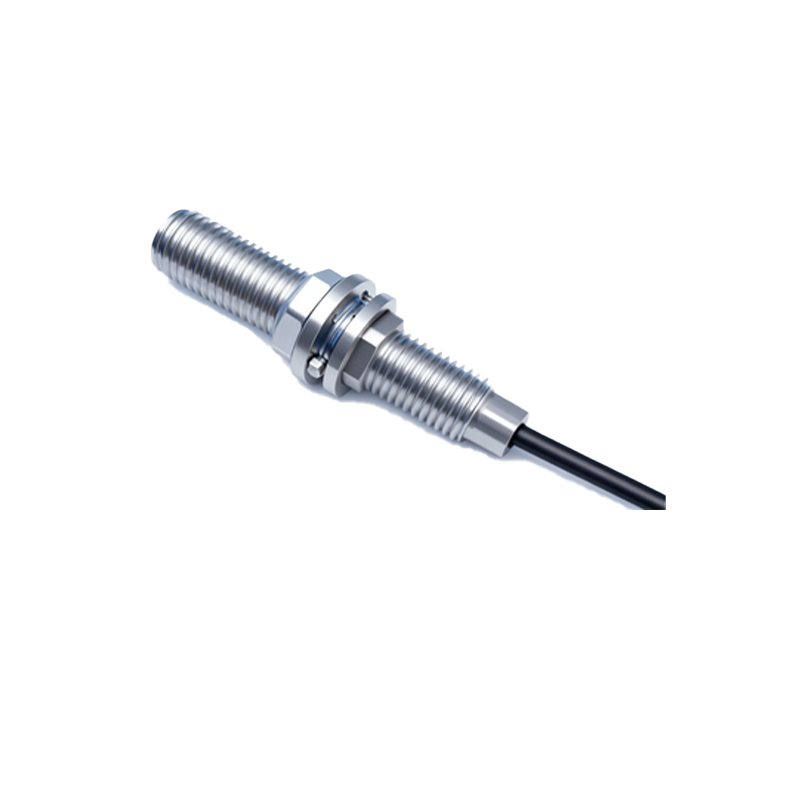
The market itself influences prices. Global semiconductor shortages and supply chain disruptions can lead to longer lead times and price volatility. Conversely, high market competition for standard sensor types can keep prices competitive. Engaging with a knowledgeable distributor is invaluable. A good distributor acts as a consultant, helping you select the right sensor that balances performance and cost, potentially suggesting alternative models or brands that meet your needs without over-specifying.
In summary, a meaningful price consultation for proximity sensors moves beyond asking "how much." It involves a detailed analysis of your application requirements, an understanding of how technology and features drive cost, and a strategic consideration of brand value versus total cost of ownership. By approaching the procurement process with a clear specification sheet and leveraging expert channel partners, you can secure the optimal sensor solution that ensures both operational reliability and budgetary efficiency.