In the landscape of modern industrial automation, proximity sensors stand as indispensable components, enabling non-contact detection of objects with high precision and reliability. These devices are engineered to detect the presence or absence of an object within a specified range without any physical contact, thereby eliminating mechanical wear and tear and enhancing operational efficiency. The core principle involves generating an electromagnetic field or beam and monitoring changes caused by a target object. This capability is fundamental to numerous automated processes, from assembly lines and robotic systems to material handling and safety interlocks.
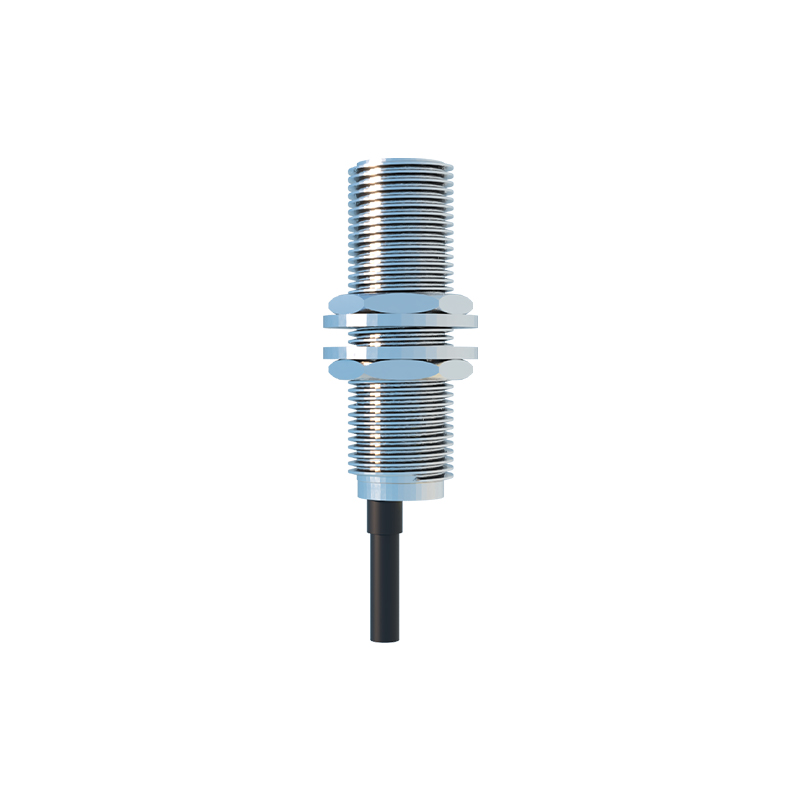
There are several primary types of proximity sensors, each suited to specific applications based on the nature of the target material and environmental conditions. Inductive proximity sensors are among the most common, operating on the principle of electromagnetic induction. They generate an oscillating electromagnetic field and detect changes when a metallic object enters this field. These sensors are highly reliable for detecting ferrous and non-ferrous metals, making them ideal for metal detection tasks in machining, conveyor systems, and position sensing. Their robustness against dirt, dust, and moisture further solidifies their role in harsh industrial environments.
Capacitive proximity sensors, on the other hand, can detect both metallic and non-metallic materials, including liquids, plastics, glass, and wood. They function by measuring changes in capacitance between the sensor and the target object. When an object enters the sensing field, it alters the dielectric constant, triggering the sensor. This versatility makes capacitive sensors valuable in level detection for tanks containing liquids or granular materials, as well as in packaging industries where diverse materials are handled.
Ultrasonic proximity sensors utilize sound waves beyond the human hearing range. They emit ultrasonic pulses and calculate the time taken for the echo to return after hitting an object. This time-of-flight measurement allows for precise distance detection, regardless of the object's color, transparency, or material composition. These sensors excel in applications requiring distance measurement, object profiling, and level sensing in challenging conditions, such as in the presence of smoke, steam, or varying light levels.
Photoelectric sensors, while sometimes categorized separately, share proximity detection functionalities. They employ a light emitter and receiver to detect objects based on light beam interruption or reflection. Through-beam, retro-reflective, and diffuse reflection models offer solutions for long-range detection and handling of transparent or highly reflective objects, common in packaging, bottling, and electronic assembly.
The selection of an appropriate proximity sensor for an industrial application hinges on multiple critical factors. Sensing range, defined as the maximum distance at which the sensor can reliably detect a standard target, is a primary consideration. Environmental conditions—such as temperature extremes, exposure to chemicals, oils, or washdown procedures—dictate the required ingress protection (IP) rating and housing material, typically stainless steel or nickel-plated brass for durability. The output type, whether NPN or PNP, two-wire or three-wire, must be compatible with the control system's PLC (Programmable Logic Controller) or input module. Response time and switching frequency are vital for high-speed applications to ensure no detection events are missed. Additionally, factors like target material, size, and shape influence the sensor's effective sensing characteristics.
Installation and maintenance practices significantly impact sensor longevity and performance. Proper mounting, alignment, and electrical wiring as per manufacturer guidelines are essential. Avoiding sensor interference from adjacent metallic structures or other electromagnetic sources is crucial. Regular checks for accumulated debris on the sensing face and verification of output signals help prevent unexpected downtime.
Looking ahead, advancements in proximity sensor technology continue to push boundaries. Integration with Industrial Internet of Things (IIoT) platforms enables predictive maintenance, where sensor data can forecast failures before they occur. Miniaturization allows for installation in space-constrained locations, while enhanced sensing algorithms improve immunity to false triggers and increase detection accuracy for complex targets. Smart sensors with IO-Link communication provide detailed diagnostic information and parameter configurability directly from the control room, streamlining setup and troubleshooting.
In conclusion, proximity sensors are the silent sentinels of industrial automation. Their ability to provide accurate, non-contact detection underpins the efficiency, safety, and intelligence of modern manufacturing and processing systems. A thorough understanding of their operating principles, types, and selection parameters empowers engineers and technicians to deploy the right sensor for the right task, ensuring optimal system performance and reliability in an increasingly automated world.