In today's interconnected world, the ability for devices to sense human presence seamlessly is fundamental. Proximity sensors designed for people detection are at the heart of this silent interaction, enabling a wide array of applications from automated lighting to touchless interfaces and security systems. Unlike industrial proximity sensors that detect metallic objects at close range, sensors tailored for human presence must account for the complexity of the human body, varying distances, and environmental factors.
The core technology behind people-sensing proximity sensors often revolves around infrared (IR) sensing, particularly passive infrared (PIR). PIR sensors detect changes in infrared radiation emitted by objects in their field of view. Since the human body radiates heat, movement creates a detectable change in the IR signature. This makes PIR sensors exceptionally power-efficient and reliable for triggering events like turning on lights when someone enters a room. Their strength lies in motion detection rather than static presence.
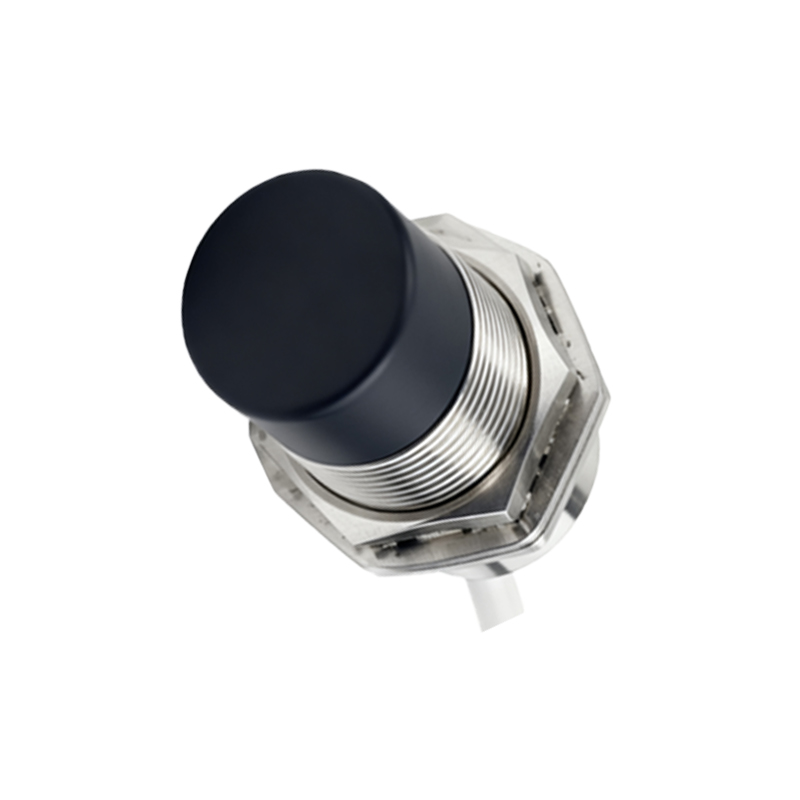
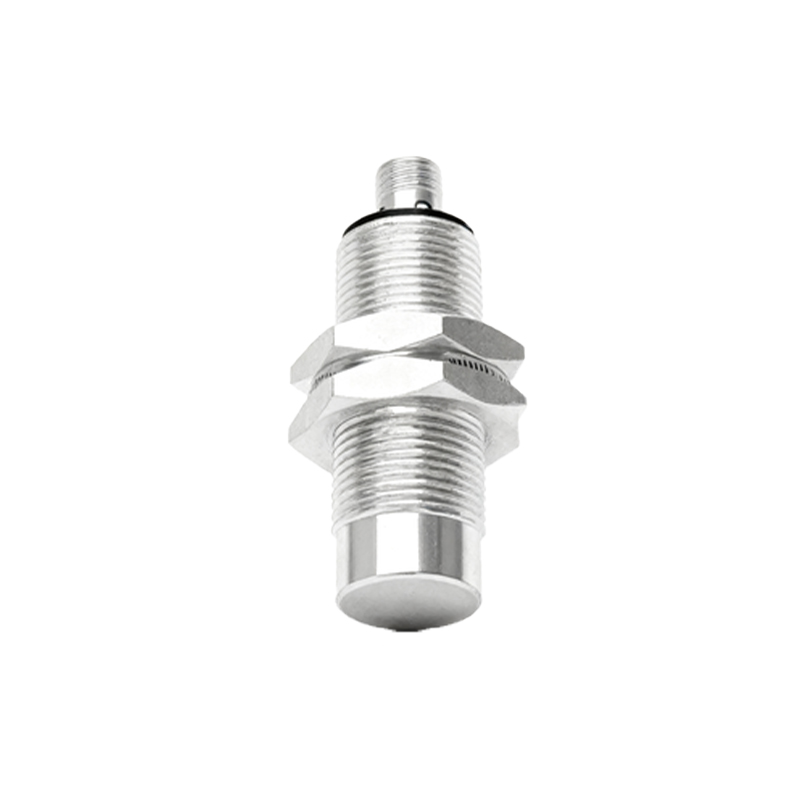
For scenarios requiring detection of a stationary person or more precise interaction, active sensors are employed. These emit a signal and measure its reflection. Two common types are capacitive sensing and ultrasonic sensing. Capacitive proximity sensors create an electrostatic field. When a person (a conductive object) enters this field, it alters the capacitance, triggering detection. This technology is prevalent in touchless faucets, elevator call buttons, and some smartphone screens that turn off when held to the ear. Ultrasonic sensors emit high-frequency sound waves and calculate distance based on the echo's return time. They are effective for detecting presence regardless of movement and can sometimes gauge approximate distance, useful in applications like automatic toilet flushers or hand dryers.
A more advanced and increasingly common solution is the integration of time-of-flight (ToF) sensors or simple radar modules. These active sensors emit modulated light (often IR laser) or radio waves and measure the phase shift or time delay of the reflected signal to calculate distance with high accuracy. This allows for not just binary detection (person/no person) but also for gauging how close a person is, enabling gesture control or more nuanced automation. For instance, a display might dim as a user walks away or present different information as they approach.
The choice of sensor technology hinges on the specific application requirements. Key considerations include:
Detection Range: From a few centimeters for touchless switches to several meters for room occupancy.
Power Consumption: Battery-operated devices like smart home sensors prioritize ultra-low-power solutions like PIR.
Environmental Robustness: Sensors must perform reliably in varying temperatures, lighting conditions (sunlight can interfere with IR), and in the presence of other moving objects like pets or fans.
Cost and Integration: Simple PIR sensors are low-cost and easy to integrate, while ToF or radar solutions offer more features at a higher complexity and cost.
Implementing these sensors effectively requires careful placement and calibration to avoid false triggers (nuisance alarms) or missed detections. Designers must consider the sensor's field of view, mounting height, and potential obstructions. For example, a PIR sensor mounted in a corner of a room has a different coverage pattern than one mounted centrally on a ceiling.
The applications are vast and growing. In smart buildings, people proximity sensors drive energy savings by controlling HVAC and lighting based on occupancy. In retail, they can trigger welcome messages or promotional content. In automotive interiors, they enhance safety by detecting if a passenger is present to activate airbags or remind occupants of items in the rear seat. The post-pandemic emphasis on hygiene has further accelerated the adoption of touchless interfaces in public restrooms, doors, and interactive kiosks.
Looking ahead, the trend is toward sensor fusion and increased intelligence. Combining data from a PIR sensor (for low-power wake-up) with a capacitive or ToF sensor (for precise confirmation) creates a more robust system. Furthermore, embedding tiny, low-power radar chips into devices allows for presence detection through materials like wood or plastic, enabling completely hidden and aesthetically clean designs.
In conclusion, proximity sensors for people detection are indispensable components in creating intuitive, efficient, and responsive environments. By understanding the strengths and limitations of different sensing technologies—from simple PIR to sophisticated ToF and radar—engineers and designers can develop solutions that seamlessly bridge the gap between human intent and machine action, making our interactions with technology more natural and less intrusive.