In the realm of modern mobile technology, proximity light sensor modules have become indispensable components, seamlessly integrating into smartphones to enhance user experience and device functionality. These sensors, typically combining infrared (IR) LEDs and photodetectors, operate by emitting infrared light and measuring the reflection from nearby objects. When a user brings a phone close to their ear during a call, the sensor detects this proximity and automatically turns off the display to prevent accidental touch inputs and conserve battery life. This not only improves usability but also reduces power consumption, a critical factor in today's energy-conscious designs.
The core technology behind proximity sensors involves precise optical engineering. The IR LED emits a beam of light, which, upon hitting an object, reflects back to the photodetector. The sensor's microcontroller then calculates the distance based on the intensity and time of the reflected signal. Advanced modules incorporate ambient light sensors (ALS) to adjust screen brightness according to environmental lighting conditions, further optimizing visibility and energy efficiency. This dual functionality—proximity detection and ambient light sensing—makes these modules versatile in various applications, from smartphones to tablets and wearable devices.
From an engineering perspective, designing an effective proximity sensor module requires careful consideration of several factors. Component selection is paramount: high-quality IR LEDs with specific wavelengths (often around 850nm or 940nm) ensure reliable performance while minimizing interference with other optical systems. The photodetector must have high sensitivity and low noise to accurately capture reflected signals, even in challenging conditions like bright sunlight or dark environments. Additionally, the module's placement within the device is crucial; it must be positioned to avoid obstructions from the casing or other internal components, which could lead to false readings or reduced accuracy.
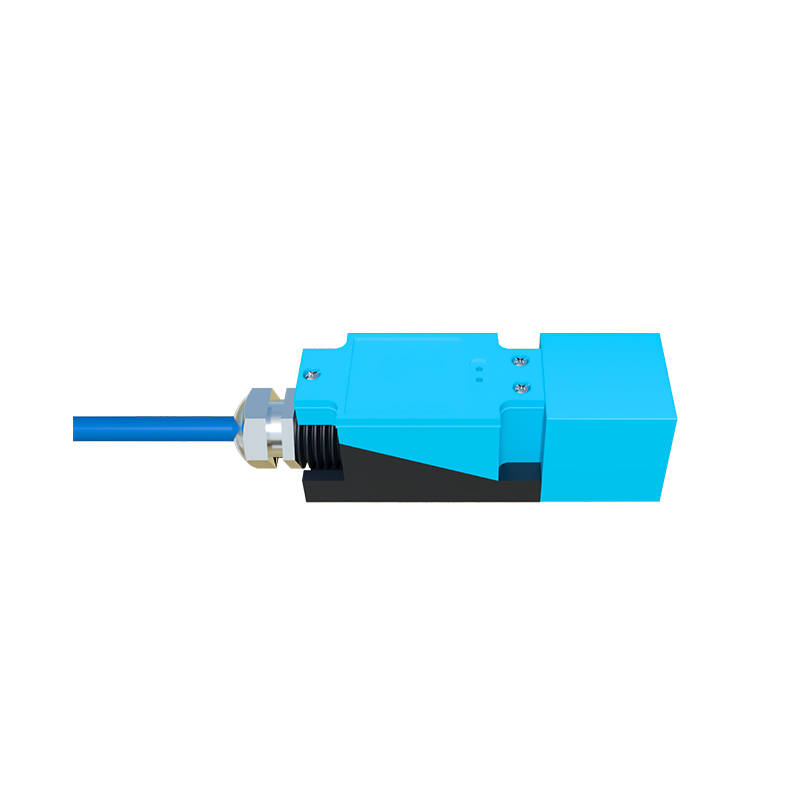
Manufacturing processes for these sensors have evolved significantly, with surface-mount technology (SMT) enabling compact and robust designs. Modern modules are often integrated into small packages, sometimes combined with other sensors like accelerometers or gyroscopes, to save space and reduce costs. Quality control during production involves rigorous testing for response time, detection range, and consistency across different environmental scenarios. Engineers also focus on minimizing crosstalk—where the emitted IR light directly reaches the photodetector without reflection—by incorporating optical barriers or using specialized algorithms in the firmware.
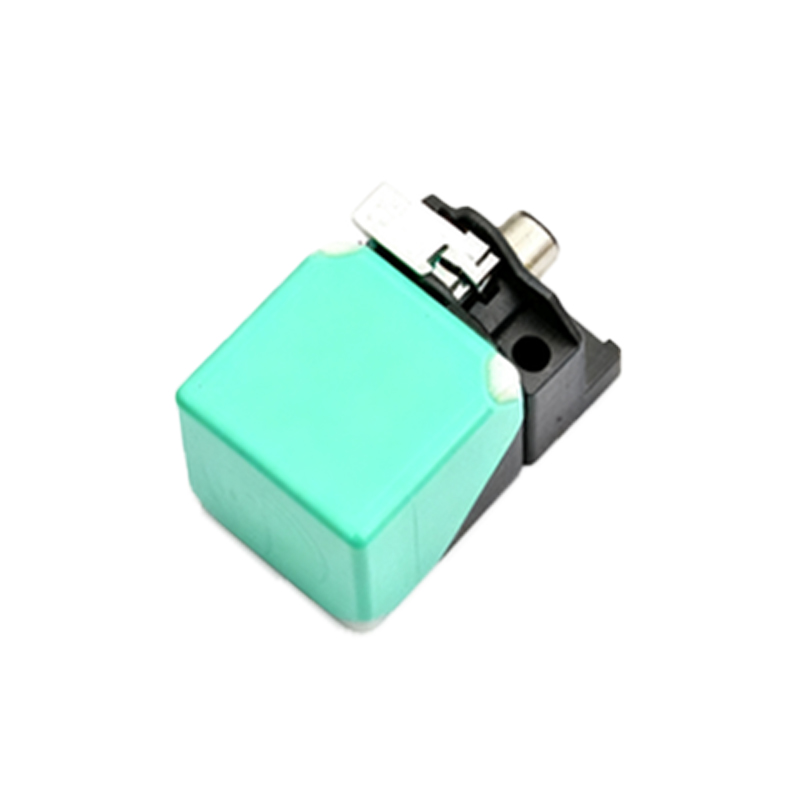
The applications of proximity light sensor modules extend beyond basic phone functionality. In automotive systems, they are used for gesture control and driver monitoring, enhancing safety features. In industrial settings, these sensors facilitate non-contact object detection in automation processes. For mobile devices, ongoing innovations include improved accuracy for gesture recognition, enabling features like air gestures or scroll control without touching the screen. As the Internet of Things (IoT) expands, proximity sensors are becoming integral to smart home devices, allowing for intuitive interactions based on user presence.
Despite their advantages, challenges persist in proximity sensor technology. Interference from external light sources, such as sunlight or artificial lighting, can affect performance, necessitating sophisticated filtering algorithms. Power management is another concern, as continuous operation can drain battery life; thus, engineers implement low-power modes and efficient duty cycling. Future trends point toward the integration of machine learning algorithms to enhance contextual awareness, enabling sensors to distinguish between different types of proximity events—like a hand hovering versus an object approaching—for more intelligent responses.
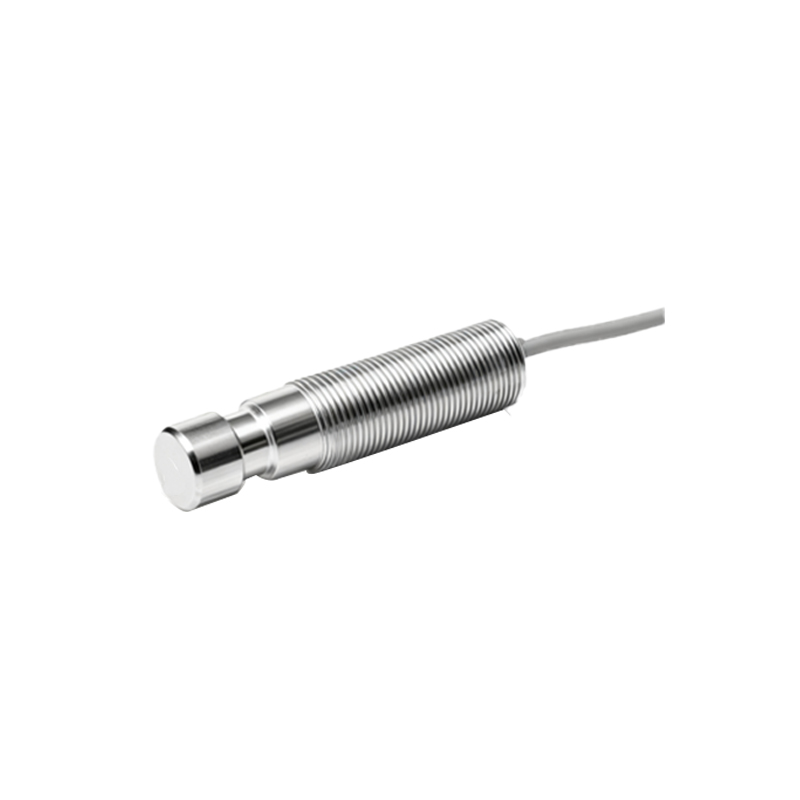
In conclusion, proximity light sensor modules represent a key innovation in mobile electronics, blending optical engineering with smart design to deliver seamless user interactions. Their role in power conservation, usability, and expanding functionality underscores their importance in the ever-evolving landscape of consumer electronics. As technology advances, we can expect these sensors to become even more sophisticated, driving new possibilities in human-device interaction. For engineers and industry professionals, staying abreast of these developments is essential for leveraging their full potential in next-generation devices.