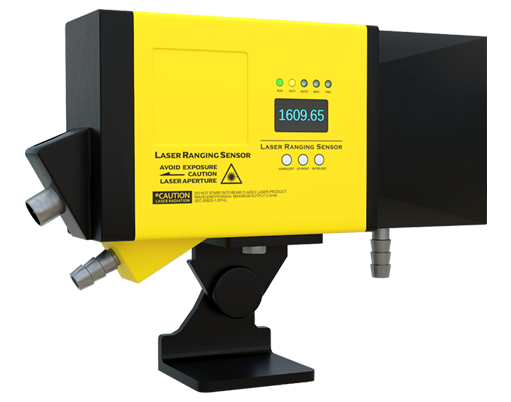
In industrial automation and precision measurement applications, laser sensors have become indispensable tools due to their high accuracy, fast response, and non-contact operation. However, the performance of these sophisticated devices is heavily dependent on their installation position. An improperly placed laser sensor can lead to inaccurate readings, reduced reliability, and even premature failure. This article delves into the critical factors and best practices for determining the optimal installation location for laser sensors, ensuring they operate at peak efficiency.
The primary consideration when installing a laser sensor is the target itself. The sensor must be positioned perpendicular to the target surface to ensure the laser beam is reflected directly back to the receiver. Any angular deviation can cause the beam to deflect, leading to measurement errors or a complete loss of signal. For diffuse reflection sensors, which detect light scattered from a surface, maintaining a consistent distance and angle is crucial for stable operation. For retro-reflective or through-beam sensors, precise alignment between the transmitter, receiver, and reflector or receiver unit is paramount. Environmental factors play a significant role in sensor placement. Areas with excessive vibration, shock, or mechanical stress should be avoided, as these can misalign the sensor or damage its internal components. If vibration is unavoidable, consider using vibration-damping mounts. Temperature extremes can also affect sensor performance. Install sensors away from heat sources like motors, ovens, or direct sunlight, and ensure they operate within their specified temperature range. Similarly, protect sensors from contaminants such as dust, oil, coolant, or chips that could obscure the lens. In dirty environments, sensors with higher ingress protection (IP) ratings or protective housings may be necessary.
Electrical interference is another critical concern. Laser sensors, especially analog or high-frequency types, can be susceptible to electromagnetic interference (EMI) from nearby motors, variable frequency drives (VFDs), welding equipment, or high-current cables. To minimize EMI, route sensor cables separately from power lines, use shielded cables, and ensure proper grounding. Maintaining a safe distance from strong EMI sources is a fundamental preventive measure. The required sensing range and spot size directly influence installation distance. The sensor should be mounted within its specified sensing range, considering both the minimum and maximum distances. For small targets or precise measurement, the spot size must be smaller than the target. If the sensor is too far away, the spot may become too large, causing inaccurate edge detection or averaging over an area. Conversely, being too close might not utilize the sensor's optimal focal point. Always refer to the sensor's datasheet for beam divergence characteristics and recommended working distances.
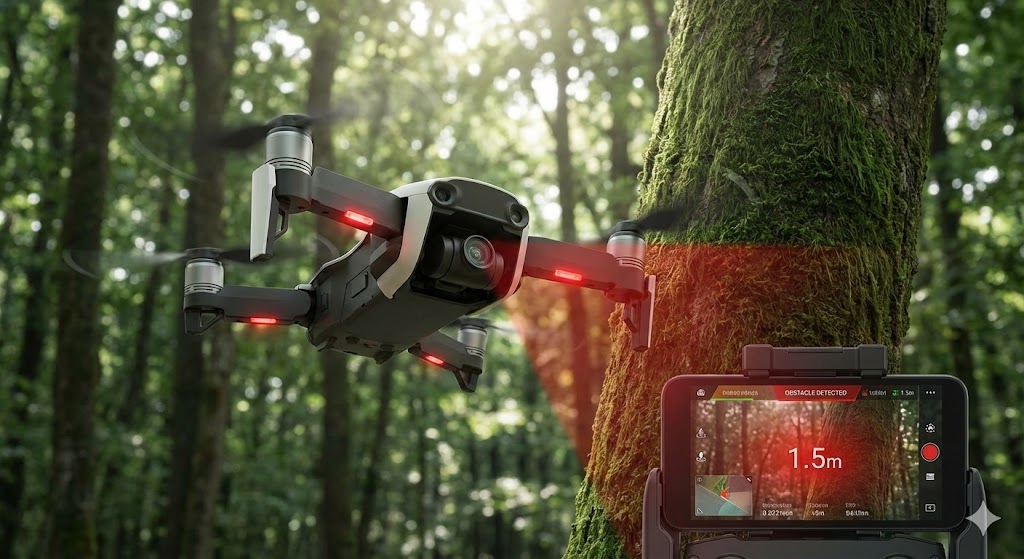
Accessibility for maintenance and calibration should not be overlooked. Sensors installed in hard-to-reach locations make routine cleaning, inspection, and recalibration difficult, leading to prolonged downtime. Ensure there is adequate space around the sensor for tools and personnel. Furthermore, consider the cable routing path from the sensor to the control system. Cables should be secured and protected from abrasion, pinch points, and excessive bending. Using cable carriers or conduits in dynamic applications can extend cable life. For applications involving multiple sensors, prevent optical crosstalk. This occurs when the beam from one sensor is detected by another sensor's receiver. To avoid this, use sensors with different operating wavelengths if possible, install physical barriers between sensors, or employ synchronization features if the sensors support them. Staggering the activation timing of sensors can also be an effective strategy.
In conclusion, the installation position of a laser sensor is a multifaceted decision that integrates optical, mechanical, environmental, and electrical disciplines. There is no universal "best" location; it must be tailored to the specific application, target properties, and operating environment. A methodical approach—involving careful planning, adherence to manufacturer guidelines, and consideration of all potential interfering factors—is essential. Investing time in optimal sensor placement during the design and installation phase pays significant dividends in the form of enhanced measurement accuracy, system reliability, reduced maintenance costs, and overall operational efficiency. Always perform thorough testing under actual operating conditions to validate the chosen installation position before finalizing the setup.