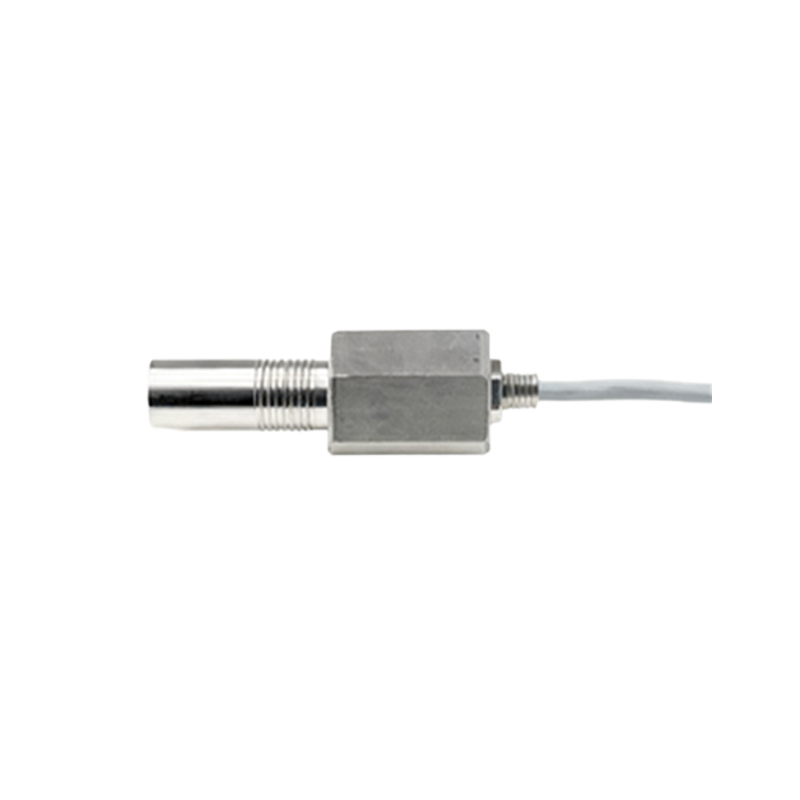
In the world of automation, robotics, and smart devices, the ability to detect the presence or measure the distance of an object without physical contact is fundamental. This capability is provided by two closely related yet distinct families of devices: proximity sensors and distance sensors. While the terms are sometimes used interchangeably, understanding their specific functions, technologies, and ideal applications is crucial for engineers, designers, and enthusiasts.
Proximity sensors are primarily designed to detect the presence or absence of an object within a defined sensing range. Their output is typically a simple binary signal: on or off, object present or not present. They answer the question, "Is something there?" The key characteristic is that they do not provide information about how far away the object is, only that it is within the detection zone. Common types of proximity sensors include inductive, capacitive, and photoelectric sensors. Inductive sensors detect metallic objects using an electromagnetic field, making them ideal for industrial metal detection. Capacitive sensors can detect both metallic and non-metallic materials, such as liquids or plastics, by sensing changes in capacitance. Photoelectric sensors use a light beam (visible, infrared, or laser) and are versatile for detecting a wide variety of objects.
Distance sensors, also known as ranging sensors, go a step further. They are engineered to measure the precise distance between the sensor and a target object, providing a continuous analog or digital output corresponding to the measured range. They answer the question, "How far away is it?" This quantitative data is essential for applications requiring precise positioning, dimensioning, or level monitoring. Popular technologies for distance sensing include ultrasonic sensors, laser rangefinders (LiDAR), and time-of-flight (ToF) sensors. Ultrasonic sensors calculate distance by emitting sound waves and measuring the echo's return time. They are robust and cost-effective for medium-range applications. Laser-based sensors offer high accuracy and long range but can be more sensitive to environmental conditions and surface properties.
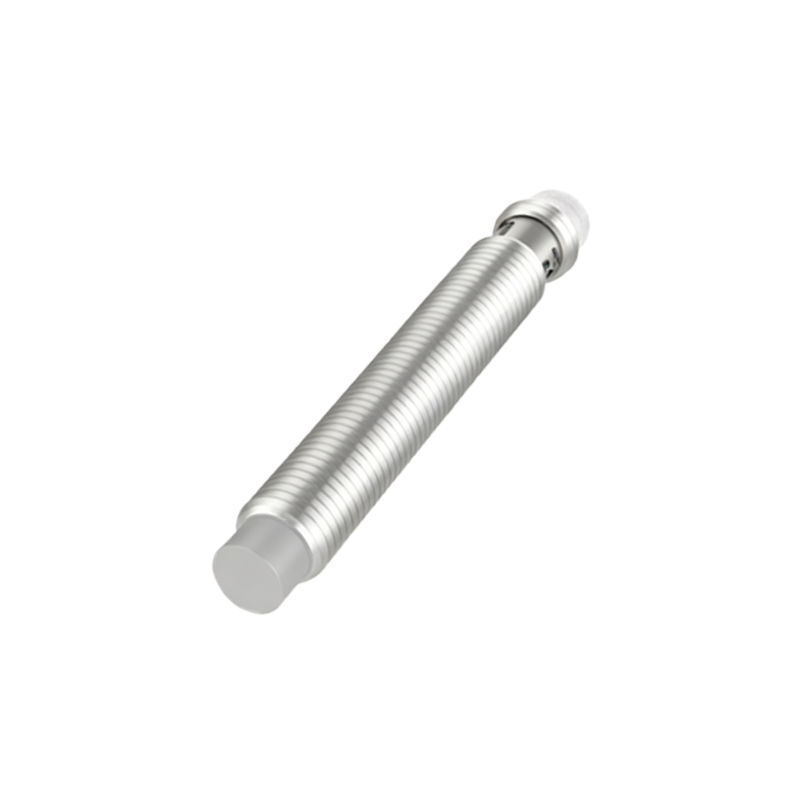
The choice between a proximity sensor and a distance sensor hinges entirely on the application's requirements. For instance, on a smartphone, a simple infrared proximity sensor is used to turn off the touchscreen when the phone is held to the ear during a call. It only needs to know if an object is very close. Conversely, in an autonomous mobile robot, a LiDAR distance sensor is used to create a detailed 3D map of the environment, requiring exact measurements to navigate around obstacles.
In industrial automation, inductive proximity sensors are ubiquitous on assembly lines for counting metal parts or confirming a part is in position before a machining operation. Here, a simple yes/no signal is sufficient. Meanwhile, in a warehouse, an ultrasonic distance sensor might be used to measure the fill level of a silo containing grain or powder, providing continuous data to a control system.
Several factors influence the selection and performance of these sensors. The sensing range is a primary consideration; some inductive sensors work only up to a few millimeters, while laser rangefinders can measure over hundreds of meters. The target material also dictates the technology; capacitive sensors are needed for non-metals, while inductive sensors are blind to them. Environmental conditions like dust, fog, ambient light, or temperature extremes can severely impact photoelectric or ultrasonic sensors. Finally, requirements for resolution, accuracy, response speed, and cost will narrow down the options.
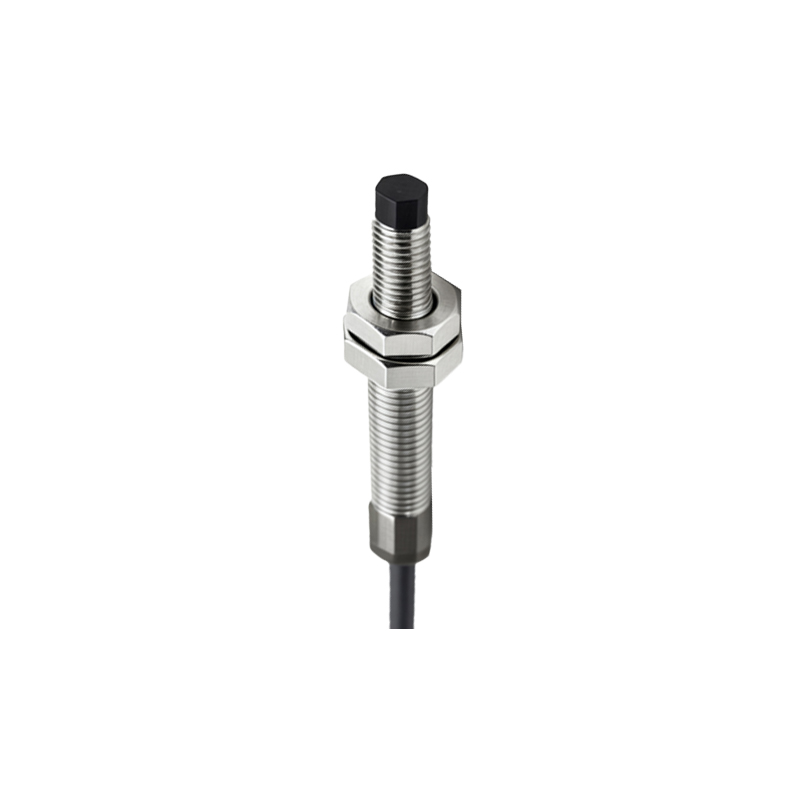
The evolution of these technologies continues to drive innovation. Miniaturized ToF sensors are now common in consumer electronics for facial recognition and gesture control. Solid-state LiDAR is making advanced driver-assistance systems (ADAS) more affordable. The integration of smart sensors with IoT connectivity allows for predictive maintenance, where a sensor not only detects a fault but also communicates data for analysis.
In summary, proximity sensors and distance sensors are the unseen enablers of modern technology. Proximity sensors provide the essential, reliable switch-like detection for safety, counting, and positioning. Distance sensors deliver the critical spatial intelligence needed for measurement, mapping, and precise control. By carefully evaluating the needs of detection versus measurement, range, target material, and operating environment, one can select the optimal sensor to build smarter, safer, and more efficient systems across countless industries.