In the bustling vertical landscapes of modern cities, elevator proximity sensors have become an indispensable component, quietly ensuring both safety and operational fluidity. These sophisticated devices, often unnoticed by passengers, play a critical role in detecting the presence of objects or individuals near elevator doors and in the hoistway, preventing accidents and optimizing performance.
The primary function of an elevator proximity sensor is to detect obstructions during door operation. Traditional mechanical safety edges, which physically retract upon contact, have been increasingly supplemented or replaced by non-contact sensors. These include infrared, ultrasonic, and laser-based systems. Infrared sensors emit beams of light; if an object interrupts the beam as doors close, the system signals the doors to reopen. Ultrasonic sensors emit high-frequency sound waves, measuring the time it takes for echoes to return, thereby creating a detection field. Laser sensors offer high precision by using focused light to map distances. This non-contact approach reduces wear and tear, minimizes maintenance needs, and provides faster, more reliable detection compared to mechanical counterparts.
Beyond door safety, proximity sensors are vital for elevator positioning and leveling. Sensors installed in the hoistway and on the car enable precise alignment with floor landings. This ensures that the elevator car stops exactly flush with the floor, eliminating tripping hazards and facilitating smooth entry and exit for all passengers, including those with mobility aids. Advanced systems use multiple sensor inputs to compensate for factors like rope stretch or load variations, maintaining consistent accuracy over time.
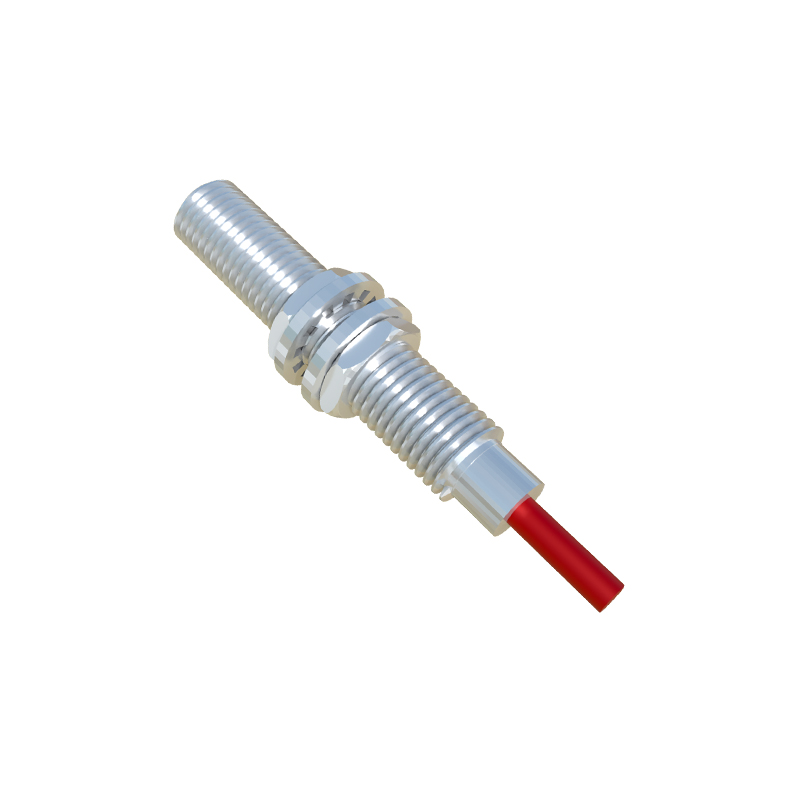
Energy efficiency is another significant benefit. By accurately detecting passenger traffic, these sensors help manage elevator dispatching and standby modes. For instance, in a building with low traffic, sensors can contribute to algorithms that park idle cars strategically or reduce lighting and ventilation in unoccupied cabs, thereby conserving power. This intelligent operation is integral to green building certifications and sustainable urban infrastructure.
The integration of proximity sensors with digital control systems and the Internet of Things (IoT) represents the forefront of elevator technology. Modern sensors can transmit real-time data to building management systems, allowing for predictive maintenance. Instead of relying on scheduled check-ups, technicians can monitor sensor performance and door operation cycles, identifying potential issues like misalignment or weakening detection fields before they lead to failures. This proactive approach minimizes downtime, extends equipment lifespan, and enhances overall reliability.
In terms of safety regulations, global standards such as EN 81-20/50 in Europe and ASME A17.1 in North America mandate strict requirements for elevator door protection. Proximity sensors are central to compliance, offering the redundancy needed to meet these safety codes. They often work in tandem with other safety systems, creating multiple layers of protection. For example, a system might combine a light curtain across the door opening with a tactile safety edge, ensuring that even if one system fails, another provides backup.
The evolution of sensor technology continues to address new challenges. In high-traffic environments like hospitals or shopping malls, sensors must quickly distinguish between brief, intentional interruptions (like a person quickly stepping in) and genuine obstructions. Modern algorithms filter out transient signals to prevent nuisance door re-openings while maintaining vigilant protection. Furthermore, the development of 3D time-of-flight sensors and machine learning integration allows for even more nuanced detection, such as identifying the shape and movement patterns of objects.
For building owners and facility managers, investing in advanced proximity sensor systems translates to long-term cost savings and risk mitigation. Reduced mechanical collisions mean fewer repairs to doors and guides. Enhanced safety lowers liability risks associated with entrapment or impact incidents. Moreover, the improved passenger experience—characterized by reliable, smooth, and responsive elevator service—adds intangible value to any commercial or residential property.
In conclusion, elevator proximity sensors are far more than simple detection devices. They are a cornerstone of modern vertical transportation, synergizing safety, efficiency, and intelligence. As buildings grow taller and smarter, the role of these sensors will only expand, driven by continuous innovation in sensing technology and connectivity. Their silent, vigilant operation ensures that the simple act of moving between floors remains safe, seamless, and efficient for millions of people every day.