In the seamless dance of modern technology, where devices respond to our presence with a whisper rather than a shout, proximity sensors play the starring role. These unassuming electronic components are the invisible guardians, enabling touchless interaction, enhancing safety, and driving efficiency across countless applications. From the smartphone that dims its screen when held to your ear to the automated doors that glide open as you approach, proximity sensors are the silent facilitators of our daily convenience.
At its core, a proximity sensor is a device that detects the presence or absence of an object within a certain range without any physical contact. It does this by emitting an electromagnetic field or a beam of radiation, such as infrared light, and then looking for changes in the field or the return signal. The key principle is non-contact detection, which eliminates mechanical wear and allows for high-speed operation and reliability in harsh environments.
Several dominant technologies power these sensors, each with its own strengths. Inductive proximity sensors are the workhorses of industrial automation. They generate an oscillating electromagnetic field and detect the eddy current losses caused when a metallic object enters this field. Robust and precise, they are indispensable in manufacturing for tasks like counting metal parts, detecting machine position, or ensuring safety guards are in place.
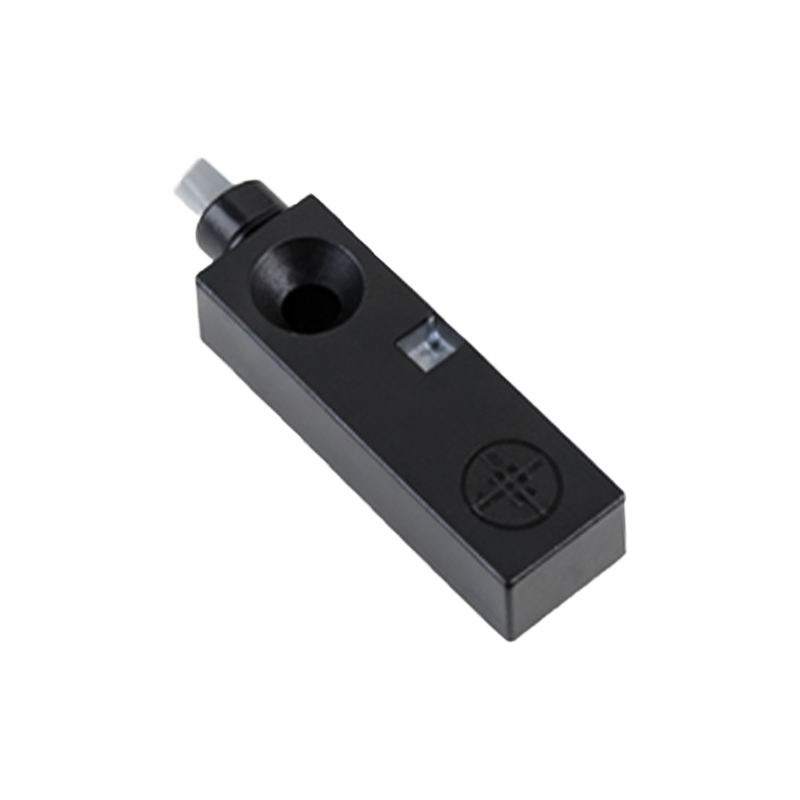
For detecting non-metallic objects, capacitive proximity sensors take the lead. They can sense a wide variety of materials—plastics, liquids, wood, and even human skin—by detecting changes in capacitance. This makes them perfect for level sensing in tanks, touch-sensitive buttons, and material handling systems. Meanwhile, photoelectric sensors, which use a light transmitter and receiver, offer the longest sensing ranges. They can detect objects from a few centimeters to several meters away and are crucial in packaging, conveyor systems, and security applications.
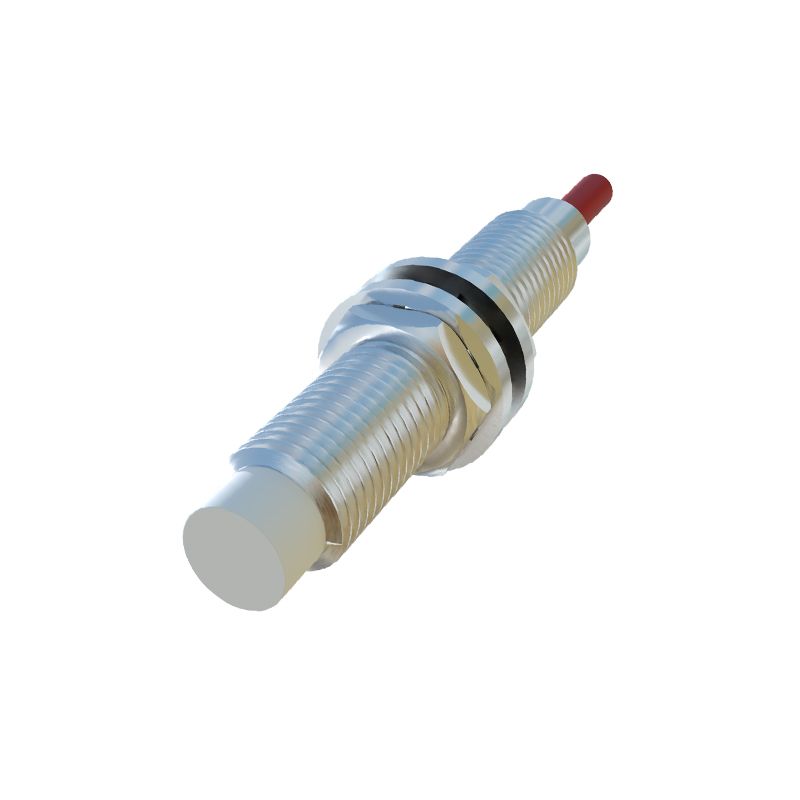
Perhaps the most familiar type to consumers is the infrared (IR) proximity sensor. Commonly integrated into mobile devices, it consists of an IR LED that emits light and a photodiode that measures the intensity of the reflected light. When your face comes close to the phone during a call, the sensor detects the reflected IR signal and instructs the screen to turn off, preventing accidental touch inputs and saving battery life. Ultrasonic sensors, which use sound waves beyond human hearing, are another variant, excelling in distance measurement and object detection in challenging conditions like fog or dust, commonly found in automotive parking assist systems and robotics.
The applications of proximity sensing are vast and growing. In the automotive sector, they are fundamental to advanced driver-assistance systems (ADAS), enabling features like blind-spot detection, automatic parking, and collision avoidance. In consumer electronics, beyond smartphones, they enable features like automatic display wake-up on laptops and hands-free gesture control in smart home devices. Industrial automation relies on them for precise positioning, object counting, and ensuring worker safety around heavy machinery by creating invisible safety curtains.
Looking ahead, the evolution of proximity sensors is intertwined with the rise of the Internet of Things (IoT) and smarter automation. The trend is toward miniaturization, lower power consumption, and increased intelligence. Sensors are becoming more integrated, combining proximity detection with ambient light sensing, gesture recognition, and even 3D imaging capabilities. Emerging technologies like time-of-flight (ToF) sensors, which measure the time it takes for light to bounce back from an object, are enabling highly accurate depth perception for facial recognition, augmented reality, and advanced robotics.
Despite their sophistication, implementing proximity sensors requires careful consideration. Engineers must select the right technology based on the target material, required sensing distance, environmental conditions (like dirt, moisture, or temperature extremes), and response speed. Proper shielding and calibration are also critical to avoid false triggers from environmental noise or unintended objects.
In conclusion, proximity sensors are a foundational technology that bridges the physical and digital worlds. Their ability to detect presence without contact makes them essential for creating intuitive, efficient, and safe interactions. As machines become more perceptive and responsive to their surroundings, these invisible guardians will continue to be at the heart of innovation, quietly shaping a more automated and interactive future.