In the realm of industrial automation, process control, and precision measurement, laser sensor emitters stand as a cornerstone technology. An emitter, fundamentally, is the component responsible for generating and projecting the laser beam that serves as the sensing medium. Its performance directly dictates the accuracy, range, and reliability of the entire sensor system. This article delves into the core principles, prevalent types, and critical application considerations for laser sensor emitters.
At its heart, a laser sensor emitter operates on the principle of stimulated emission. It generates coherent, monochromatic, and highly directional light. This coherence is key; unlike ordinary light sources, the laser light waves are in phase, allowing the beam to travel long distances with minimal divergence. The typical emitter consists of a laser diode (the gain medium), an optical system for beam shaping, and drive electronics. The laser diode, often based on semiconductor materials like Gallium Arsenide (GaAs), is pumped with electrical current to achieve population inversion. When the excited electrons drop to a lower energy level, they emit photons. These photons stimulate other excited electrons to emit identical photons, creating a cascading effect and resulting in a powerful, coherent light beam emitted through a partially reflective facet.
The optical system following the diode is crucial. Collimating lenses are used to shape the raw, divergent output from the diode into a tight, parallel beam. For applications requiring a line or pattern, such as in edge detection or profile scanning, cylindrical lenses or diffractive optical elements (DOEs) are integrated to fan the beam into a precise line or project a complex grid. The quality of these optics determines the beam's profile, spot size, and long-term stability.
Several types of laser emitters dominate the market, categorized primarily by their wavelength and output characteristics. Visible Red Lasers (typically 650-670 nm) are common for alignment and basic presence sensing due to their easy visibility for setup. However, for most industrial sensing, Infrared (IR) Lasers are preferred. Near-IR emitters (e.g., 850 nm, 905 nm) offer a strong balance between performance and eye-safety regulations (Class 1 or Class 2). They are workhorses in distance measurement, object detection, and barcode scanning. For applications demanding high precision and immunity to ambient light, especially outdoors, Laser Diode Emitters in the 1550 nm range are increasingly used. This wavelength is considered "eye-safe" at higher power levels (Class 1M), allowing for more powerful beams for long-range LiDAR or telemetry.
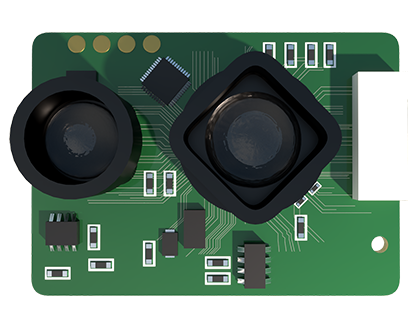
Beyond wavelength, the modulation capability of the emitter is vital. Many advanced sensors use modulated light, where the emitter's intensity is rapidly pulsed or sinusoidally varied at a specific frequency. This technique, often paired with a phase-shift or time-of-flight (ToF) measurement in the receiver, allows for precise distance measurement independent of the target's reflectivity or ambient light levels. The emitter's drive circuit must provide stable, high-frequency modulation to ensure measurement accuracy.
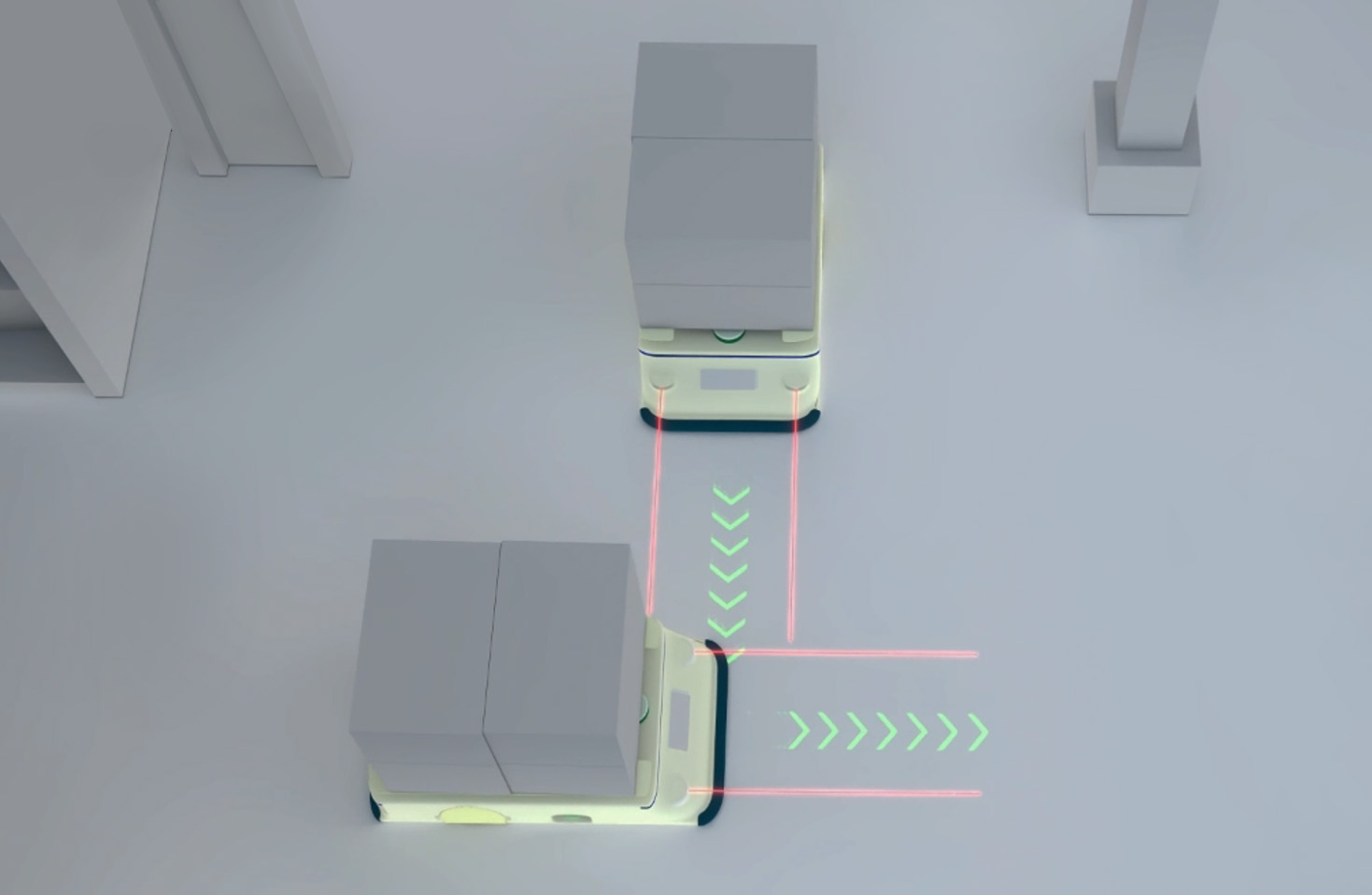
Selecting and implementing a laser emitter requires careful consideration of several parameters. Output Power, measured in milliwatts (mW), must be sufficient for the sensing distance and target reflectivity while complying with laser safety classes (IEC 60825-1). Beam Divergence, measured in milliradians (mrad), defines how quickly the beam spreads; a lower divergence is essential for long-range applications. The Spectral Width indicates the purity of the wavelength, affecting interference from other light sources. Furthermore, operating Temperature Range and long-term Drift characteristics are critical for industrial environments where thermal fluctuations are common. Proper heat sinking and temperature compensation circuits are often integral to high-performance emitter modules.
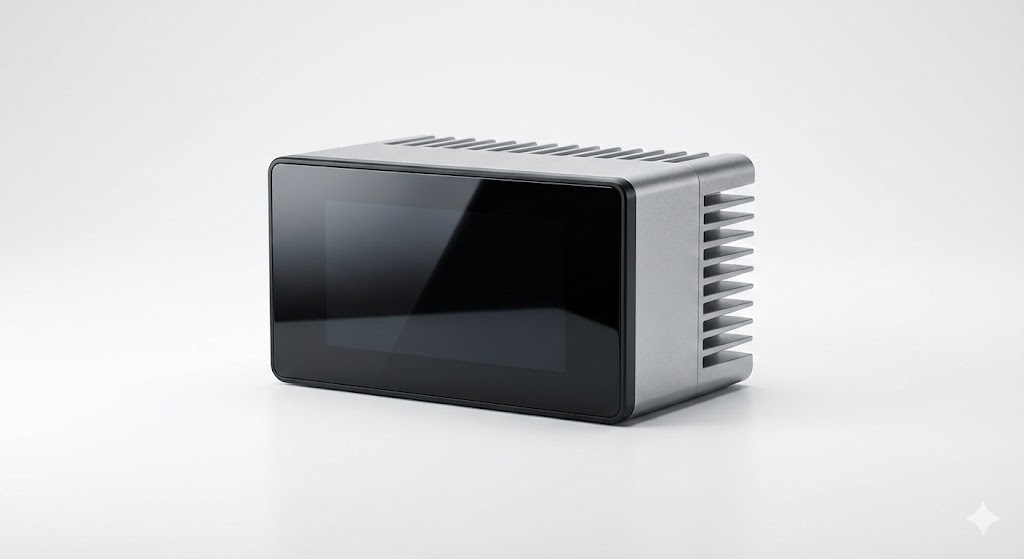
In application, laser emitters are ubiquitous. In manufacturing, they are the source for micrometer-accurate displacement sensors checking part dimensions. In logistics, they scan barcodes on fast-moving packages. In autonomous vehicles, they form the emitting array of LiDAR systems, painting the environment with laser pulses to create 3D maps. In robotics, they enable precise proximity sensing and collision avoidance. The robustness of the emitter directly impacts system uptime; hence, they are often housed in ruggedized, sealed packages with protective windows to withstand dust, moisture, and mechanical shock.
Future trends point towards further miniaturization, increased power efficiency, and the development of novel wavelengths and beam patterns. Vertical-Cavity Surface-Emitting Lasers (VCSELs) are gaining traction for their low cost, efficiency, and ability to be arranged in dense arrays for advanced 3D sensing. Regardless of the evolution, the laser emitter will remain the essential, active heart of the sensing system, transforming electrical signals into a beam of light that carries the information needed to measure and control the physical world with unparalleled precision.